
Skip to content
Search

Latest Stories

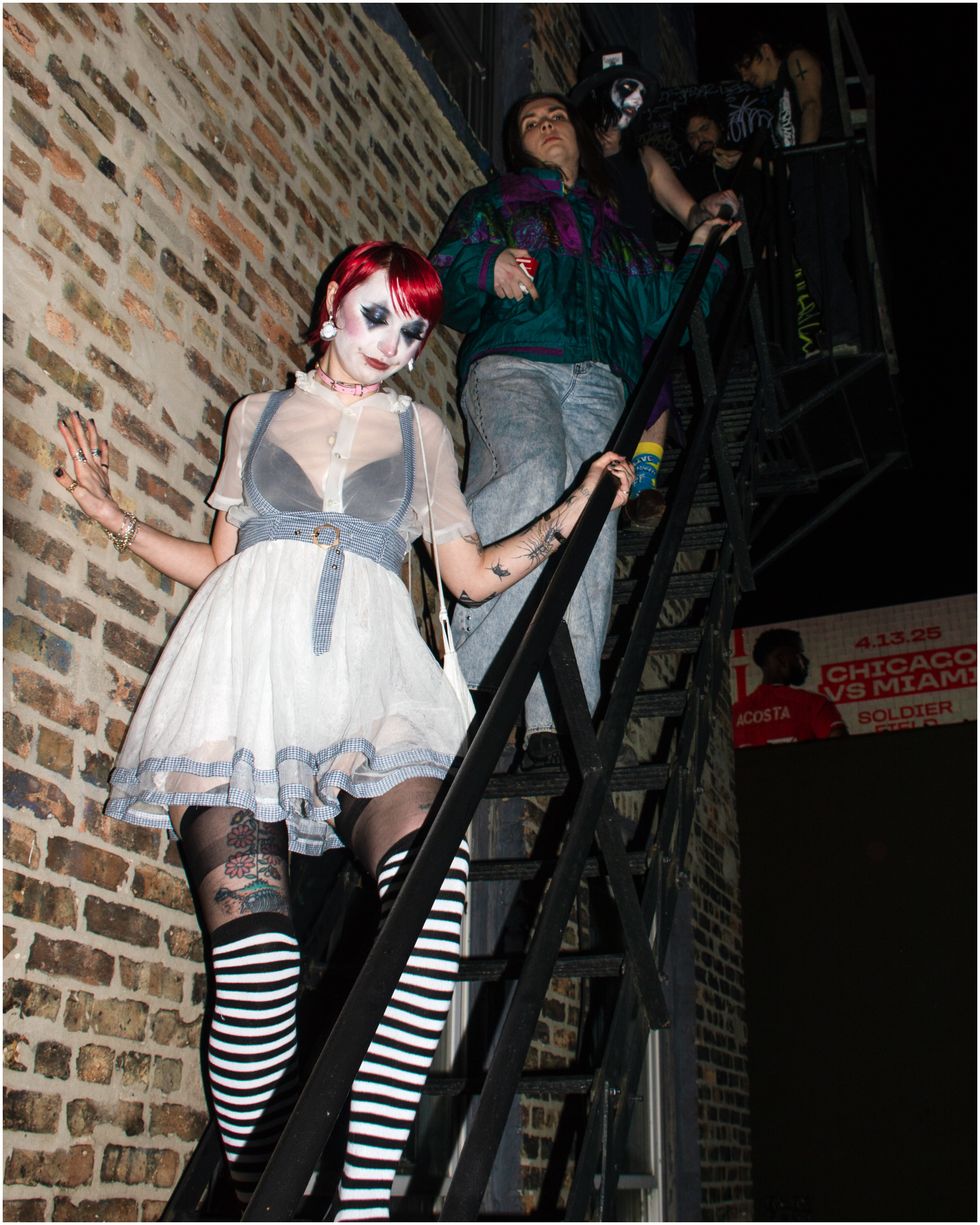
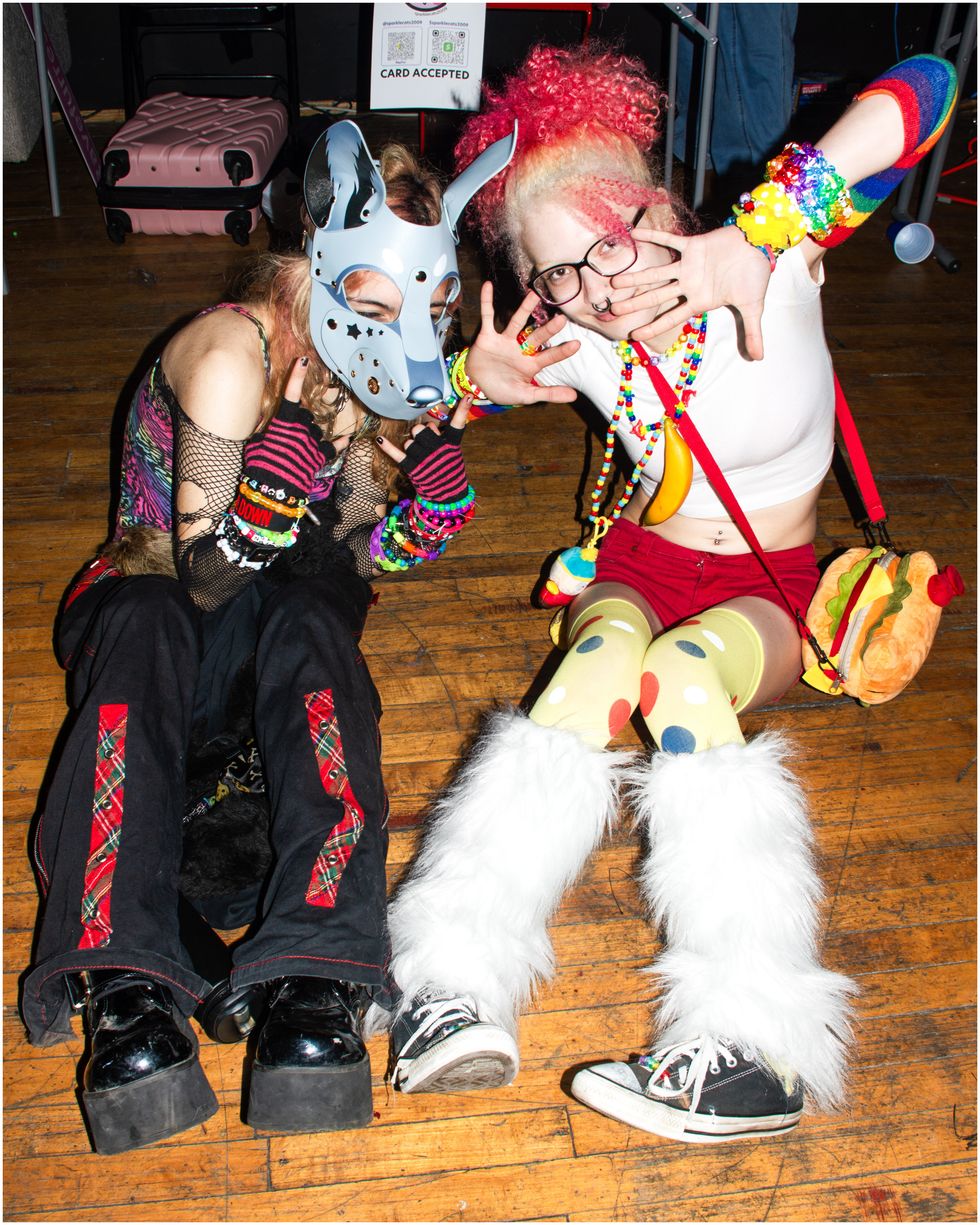
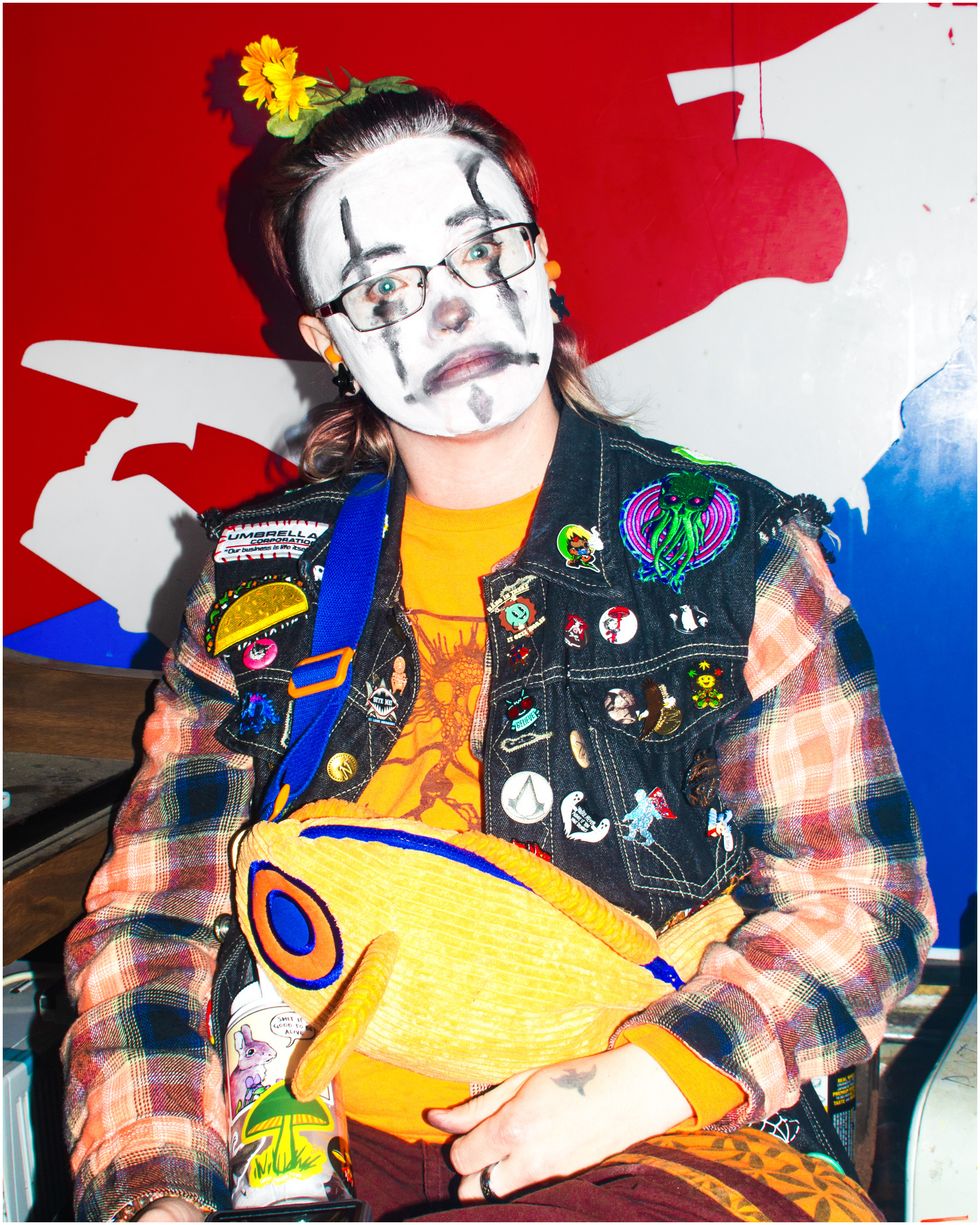
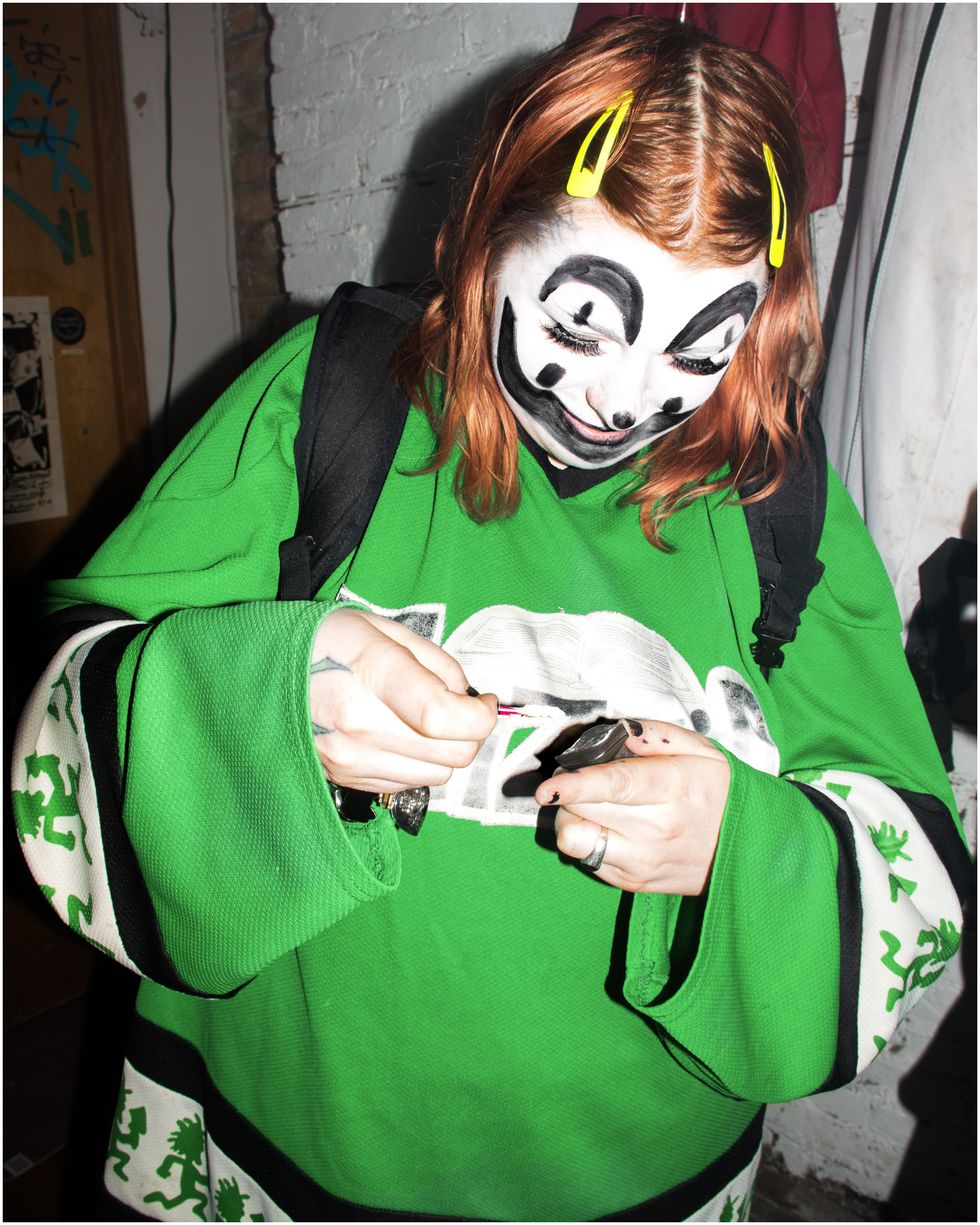
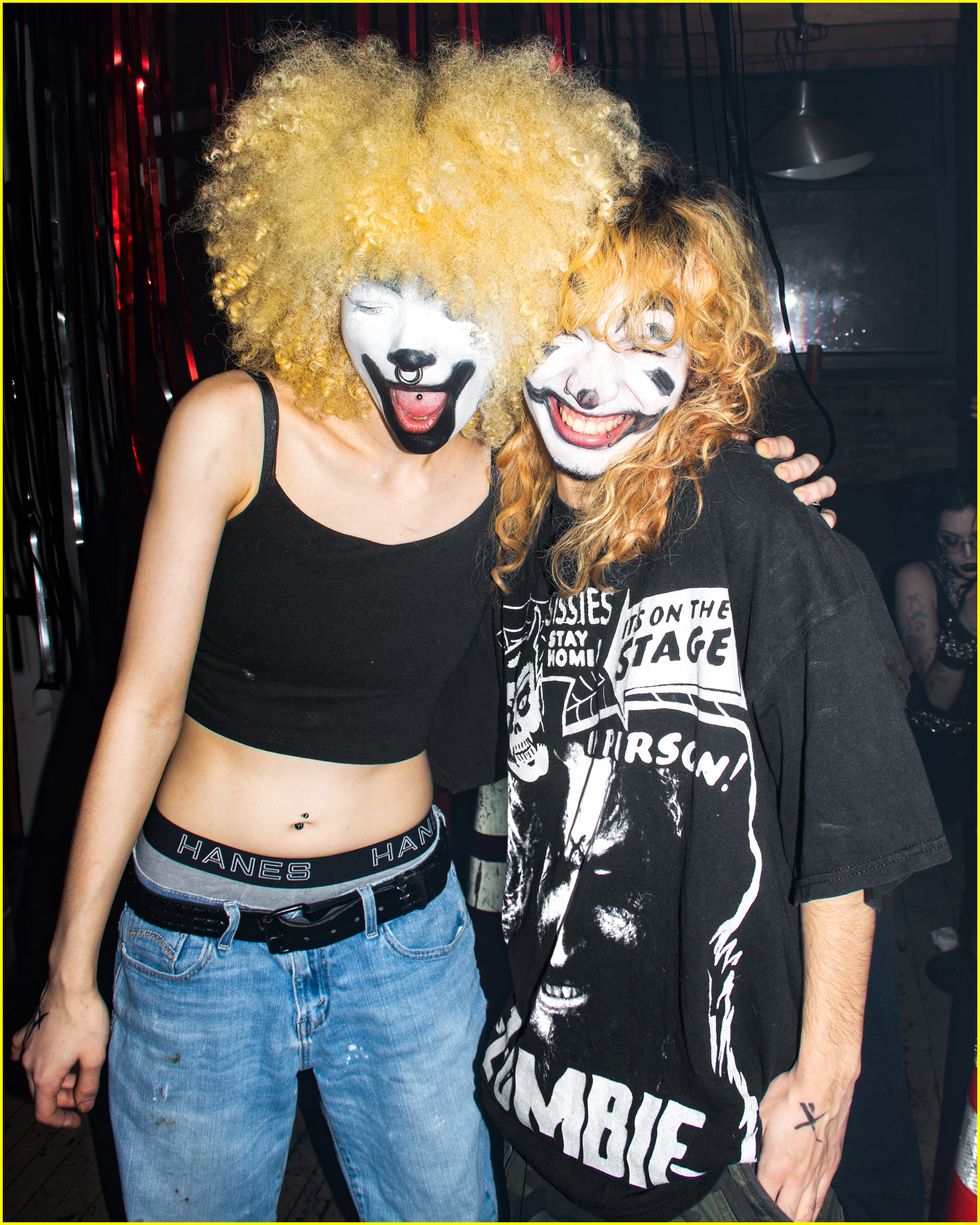
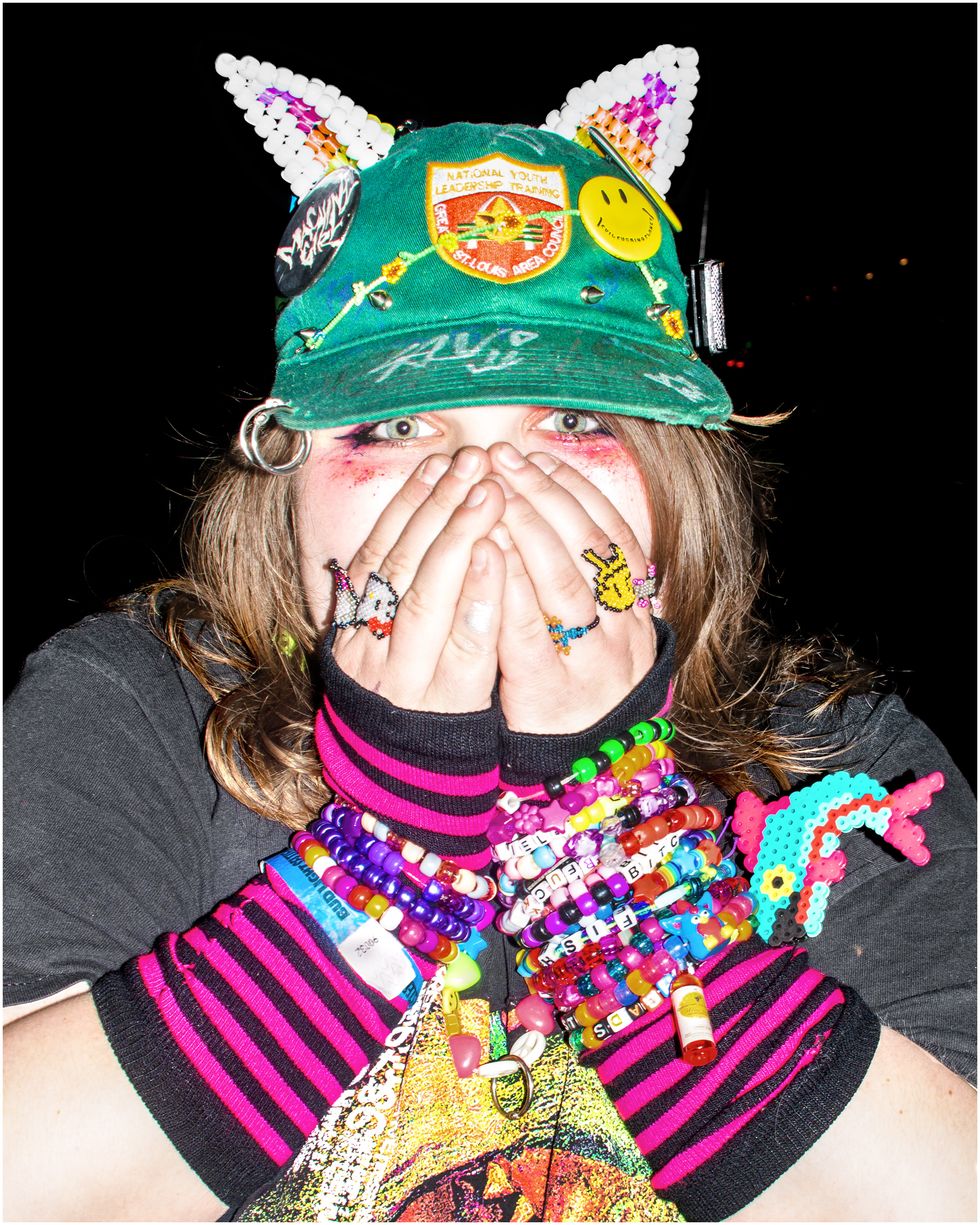
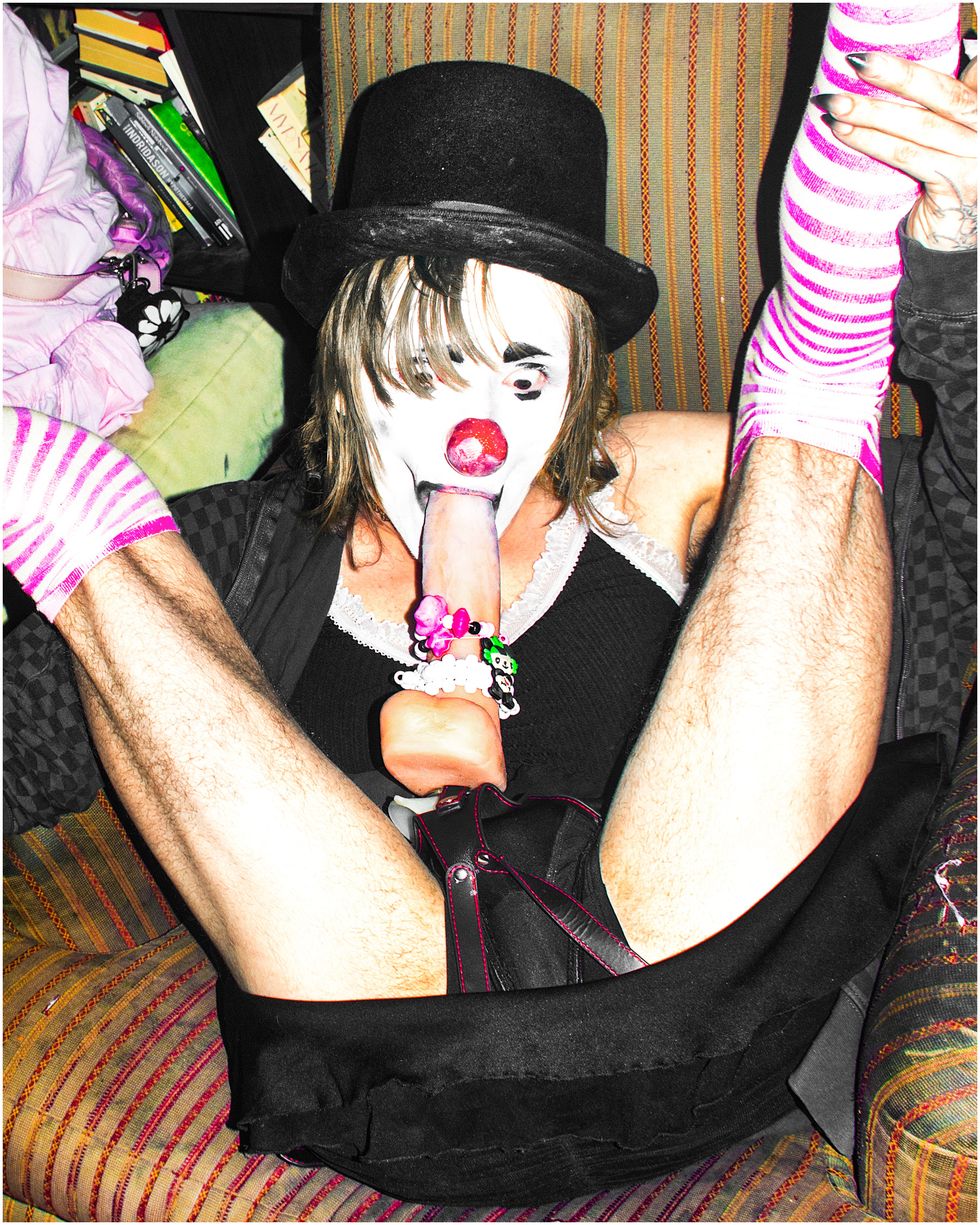
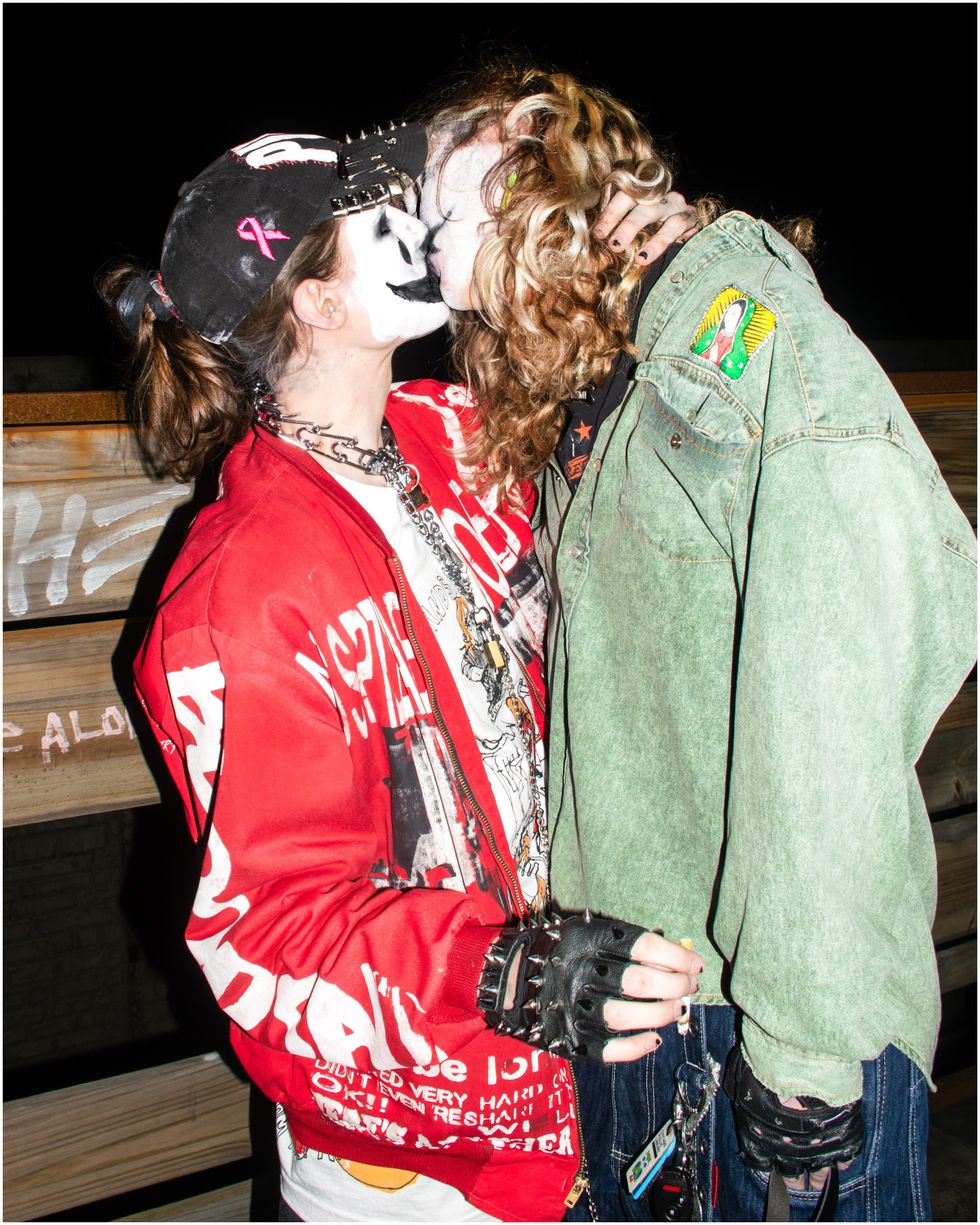
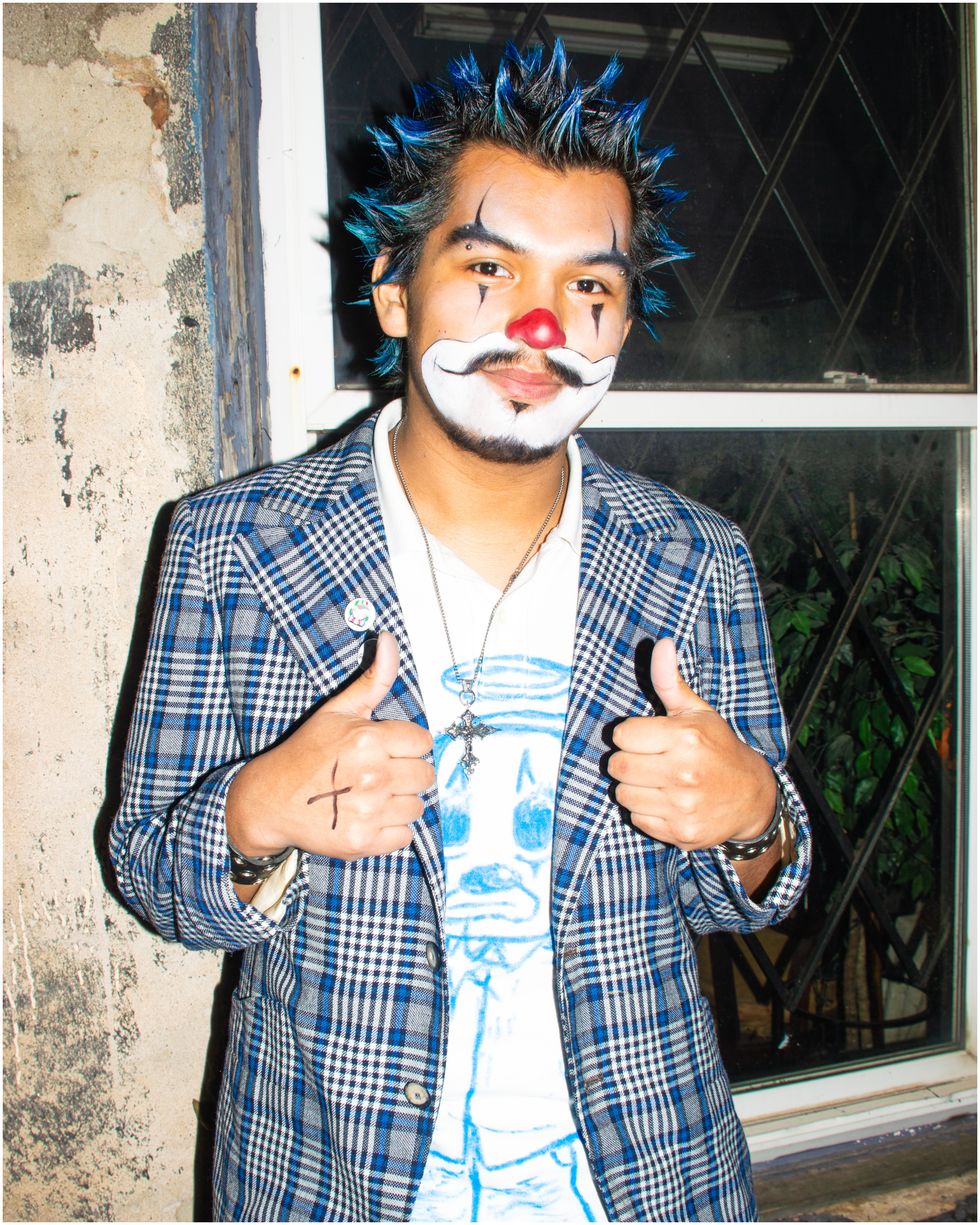
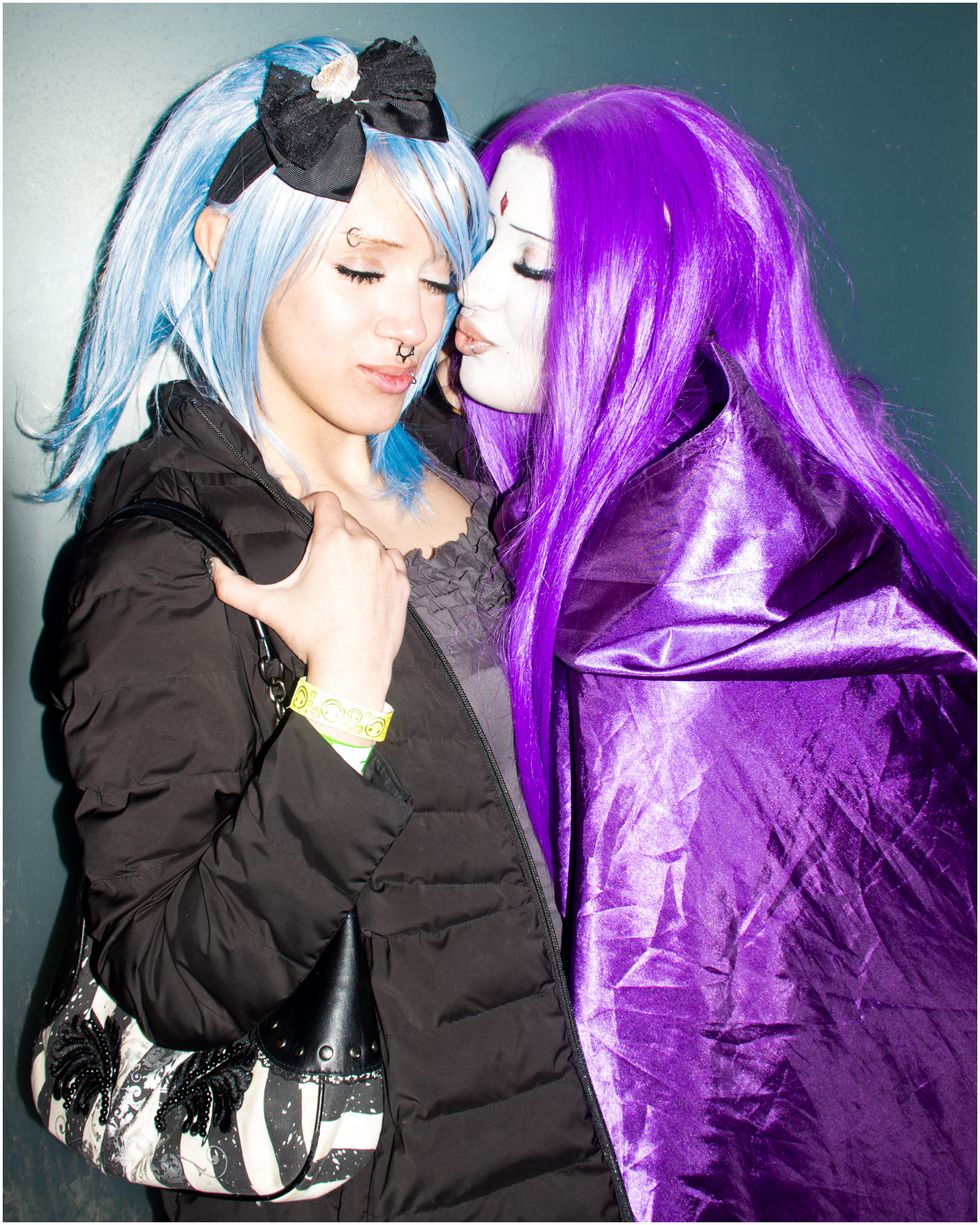
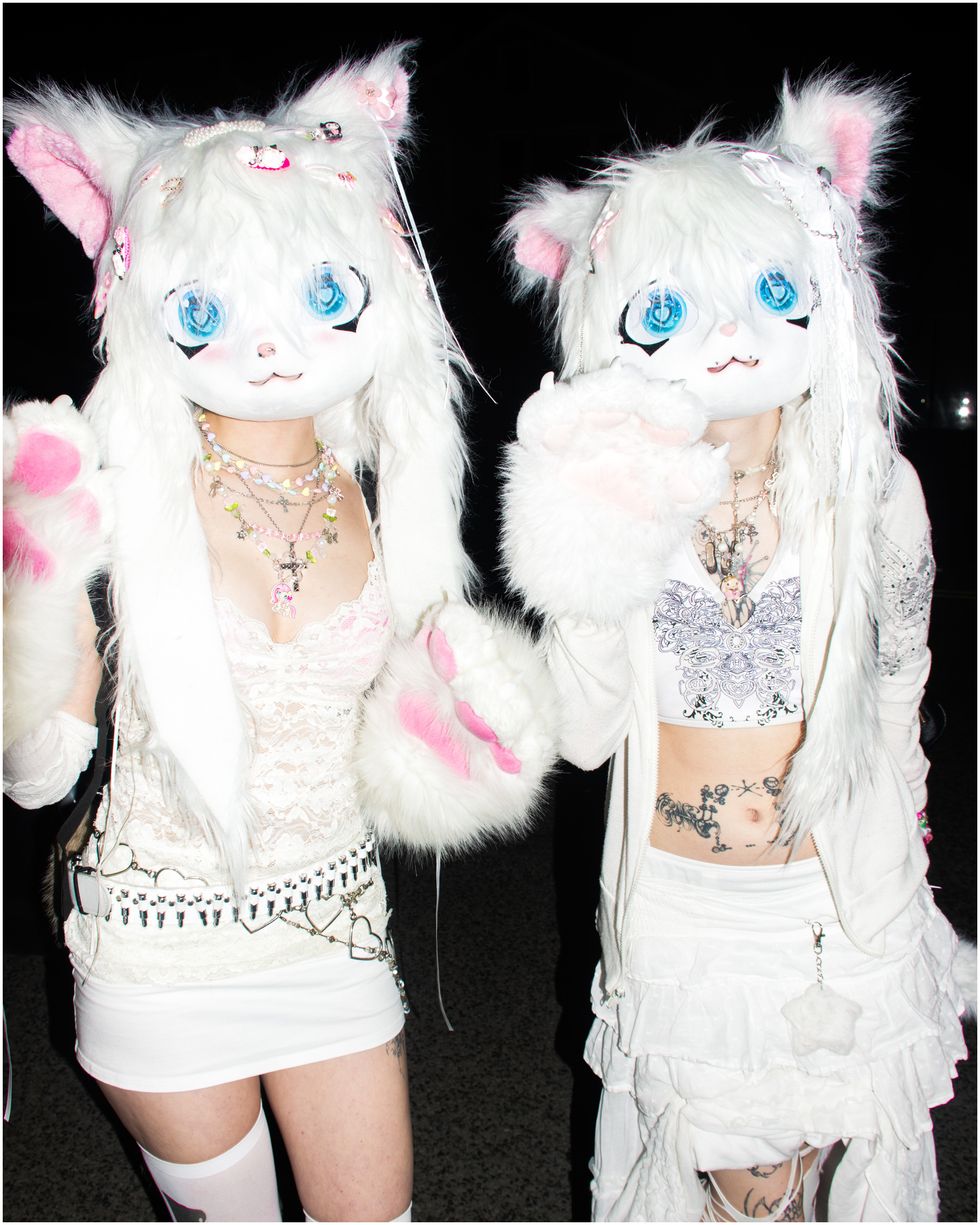
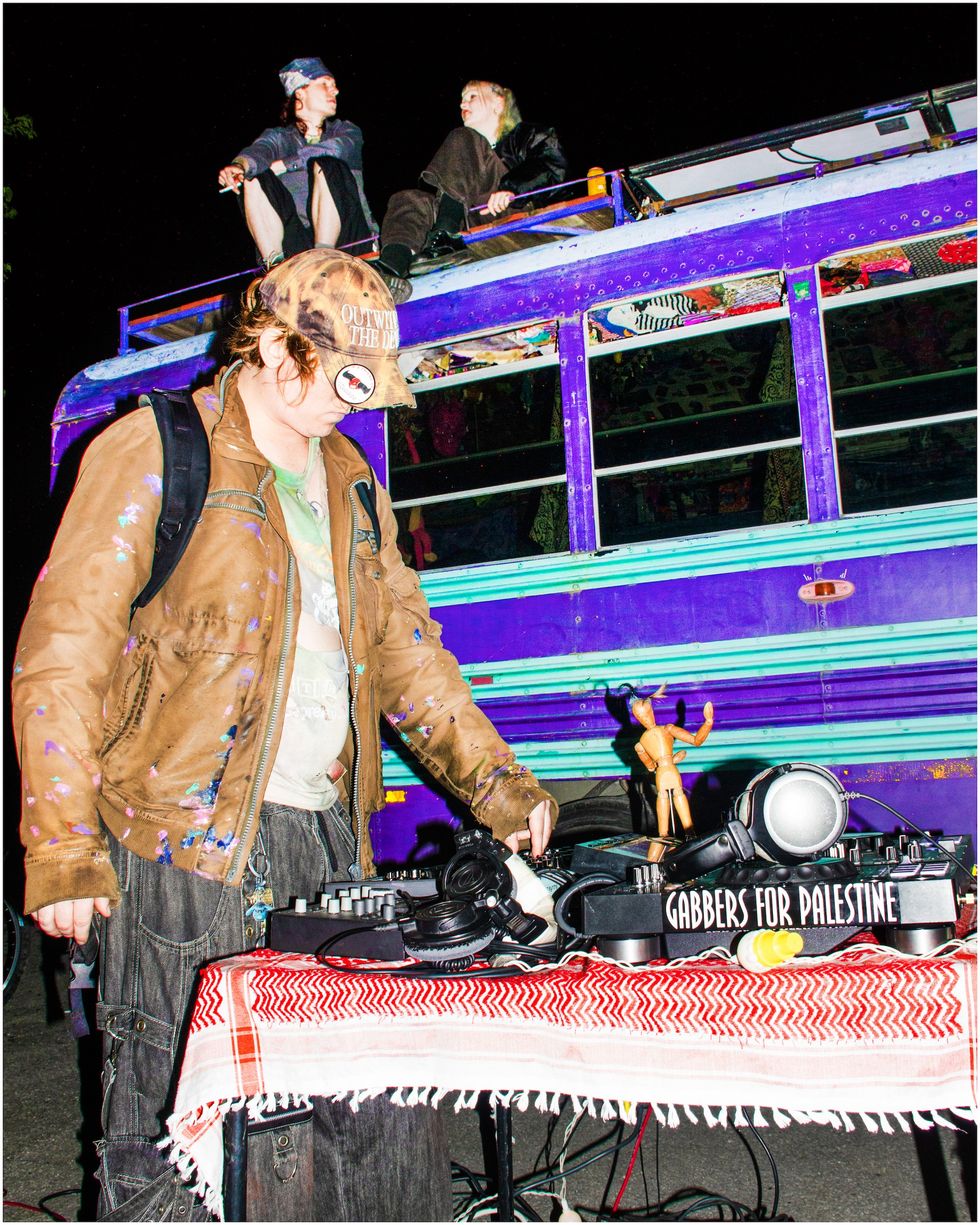
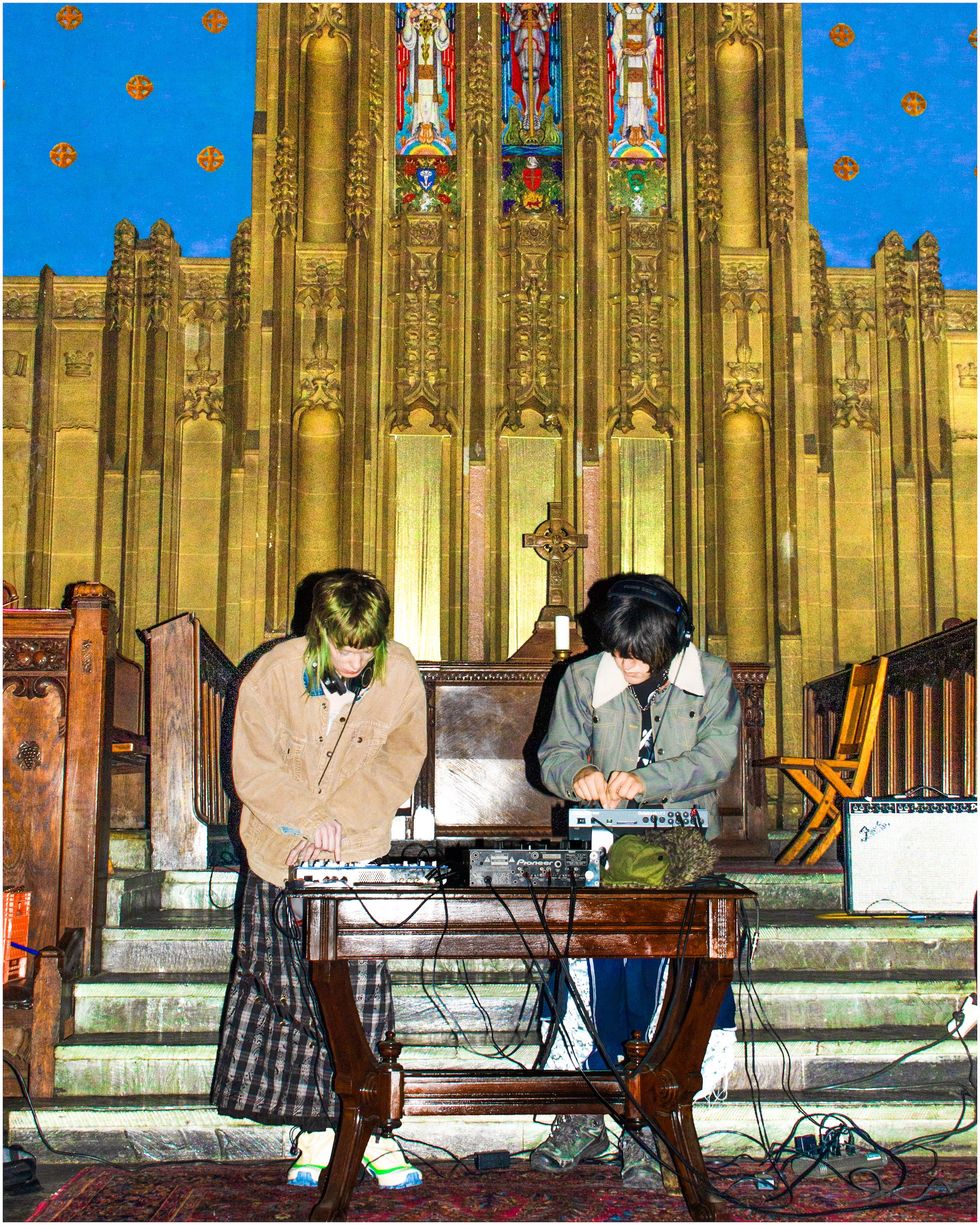
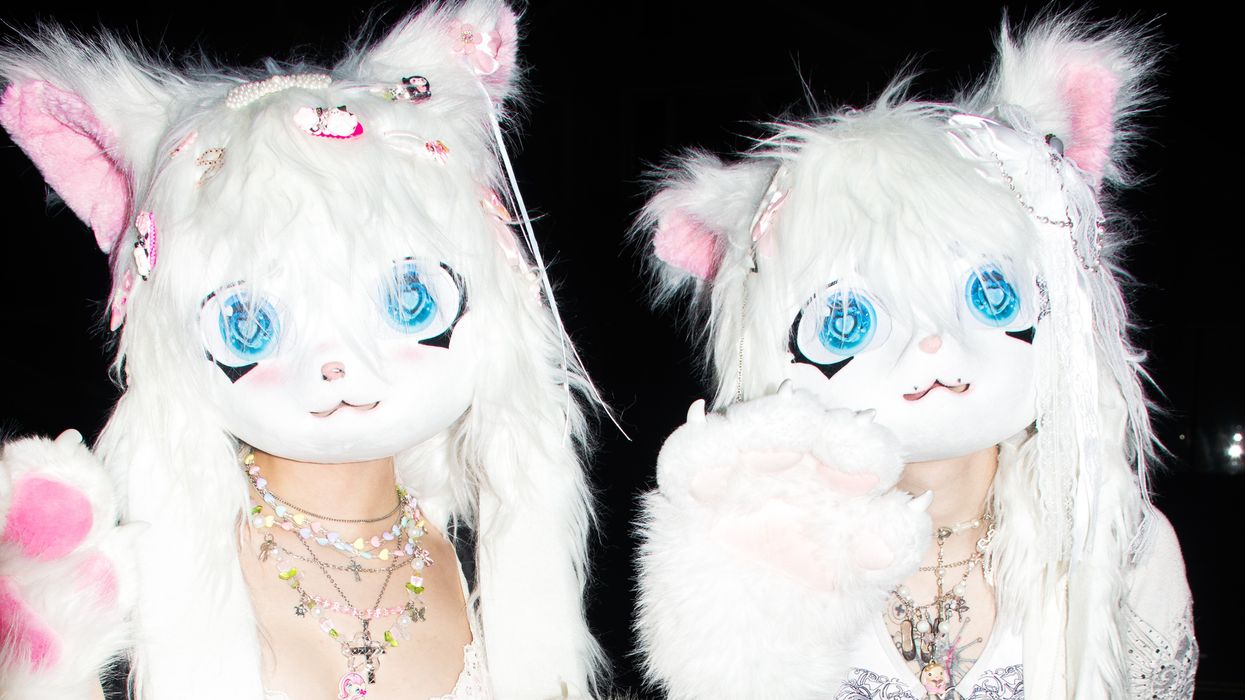
Mages Guild: Gathering of the Furries and Juggalos
Photo by Gunner Manley

Mages Guild: Gathering of the Furries and Juggalos

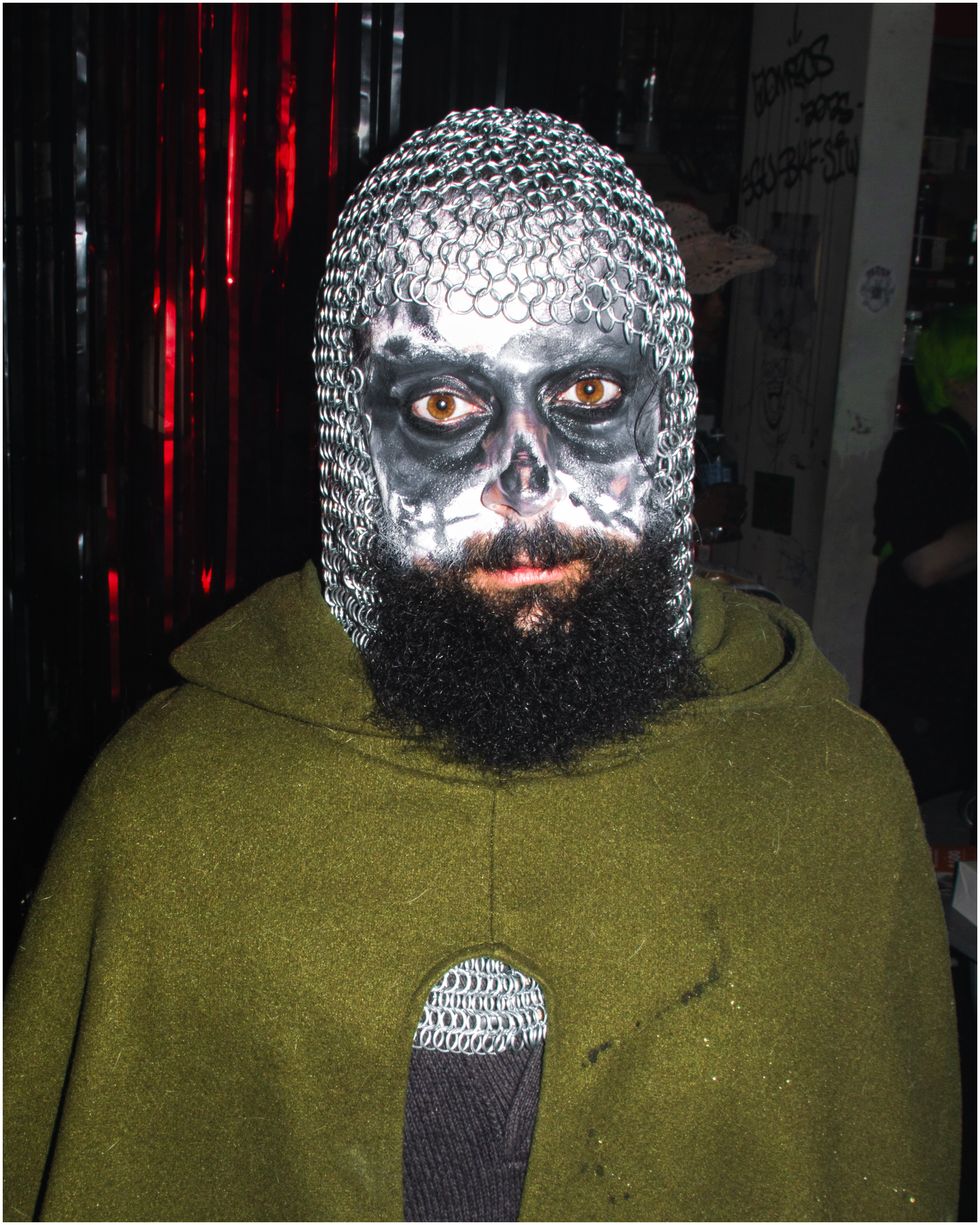
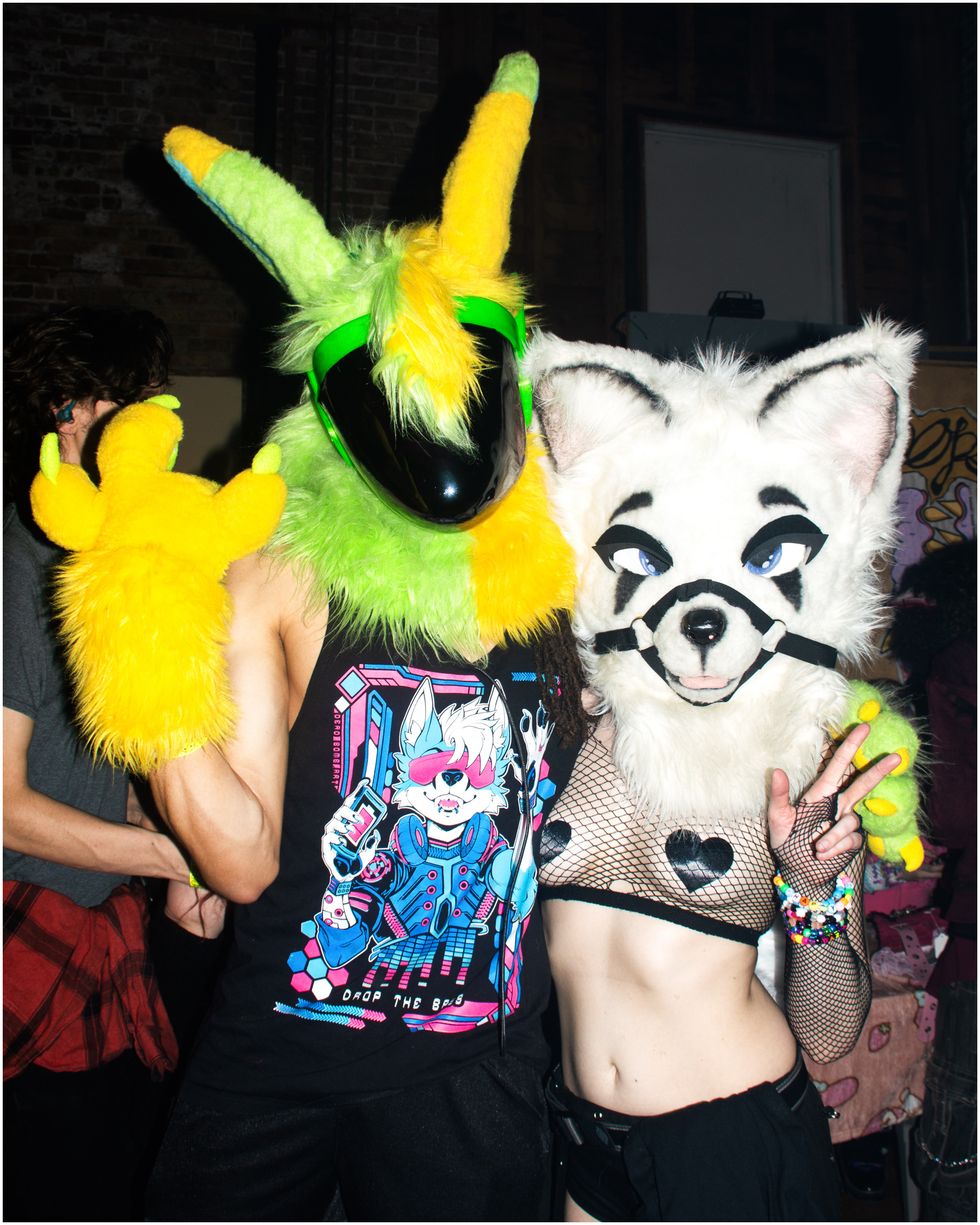
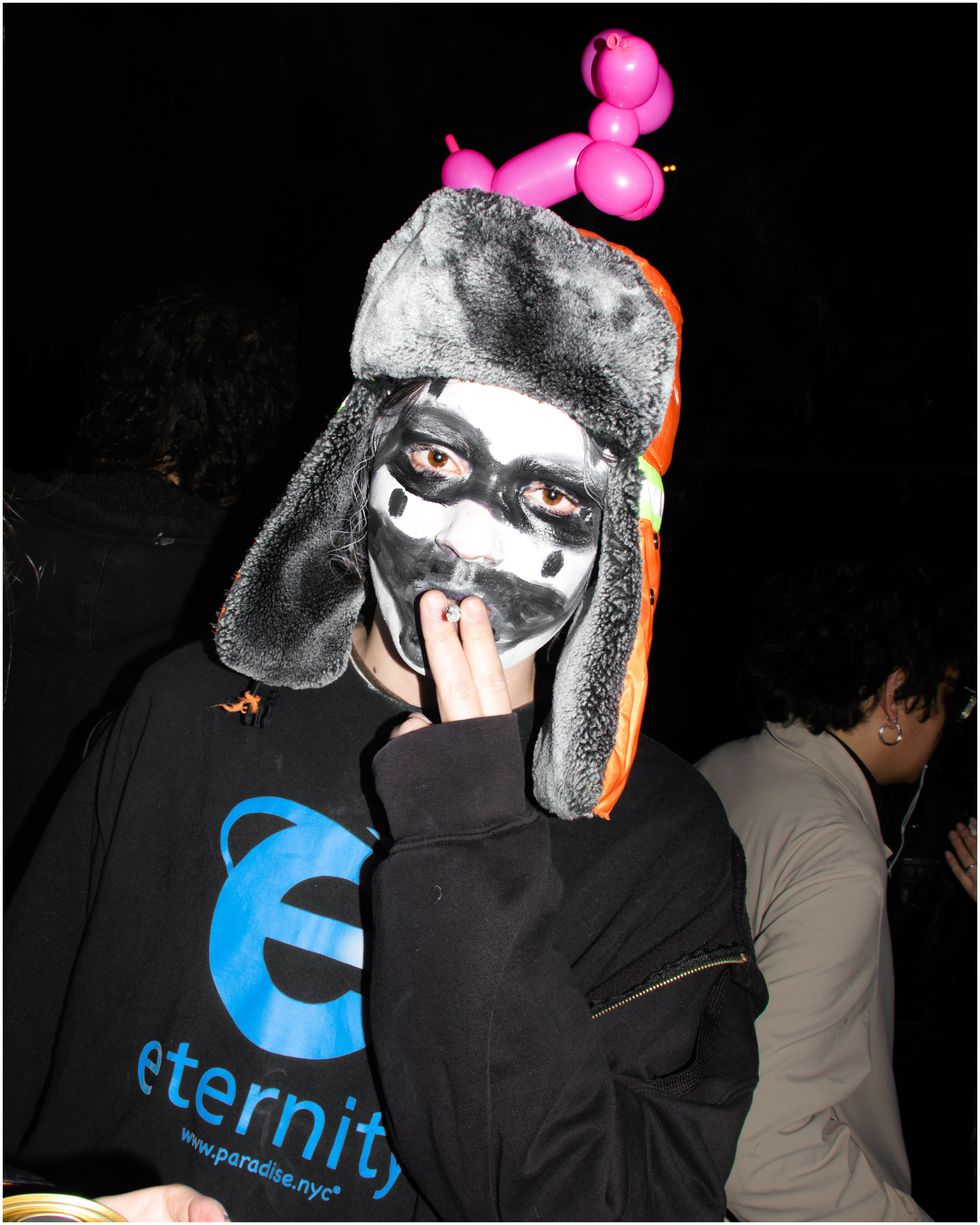
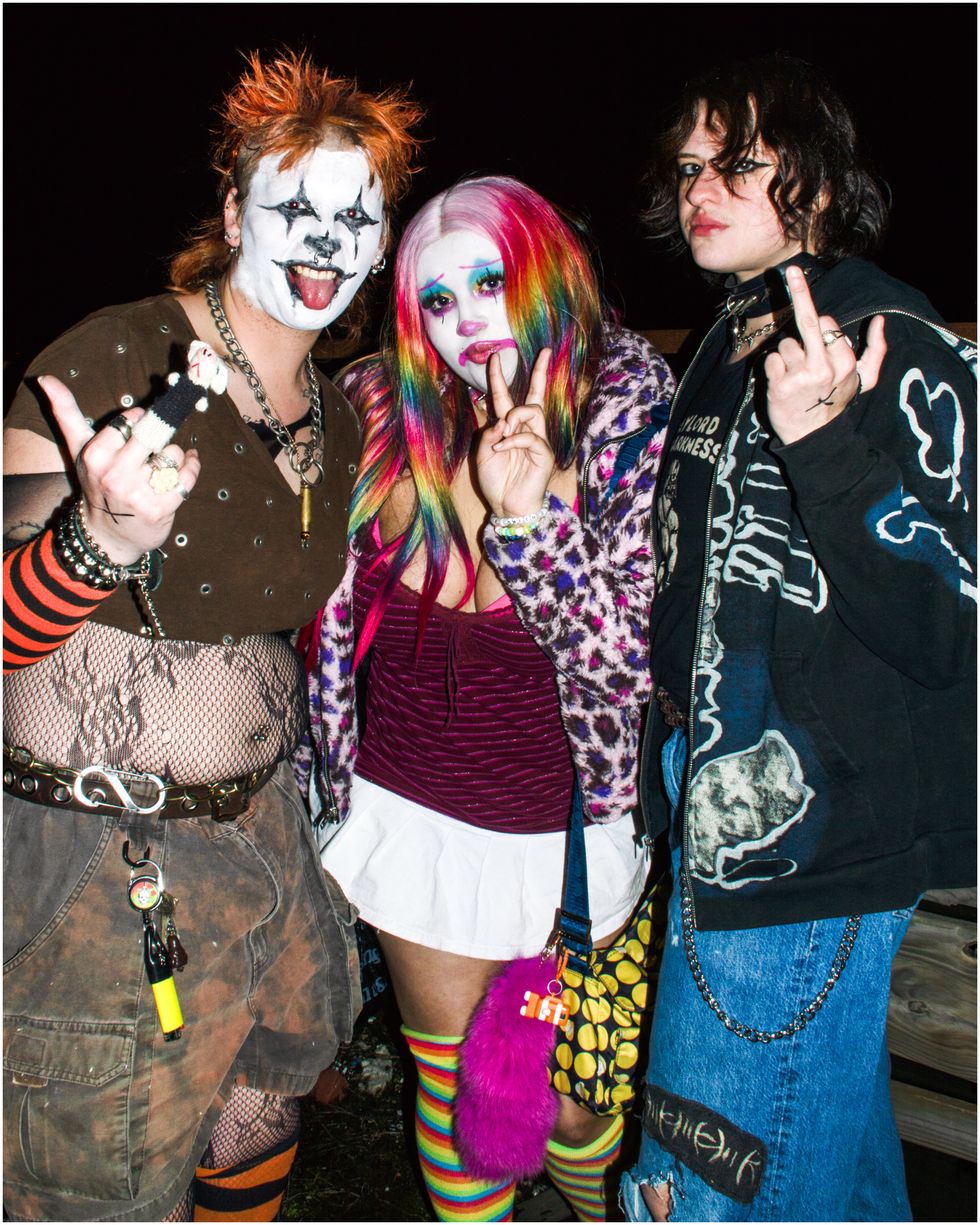
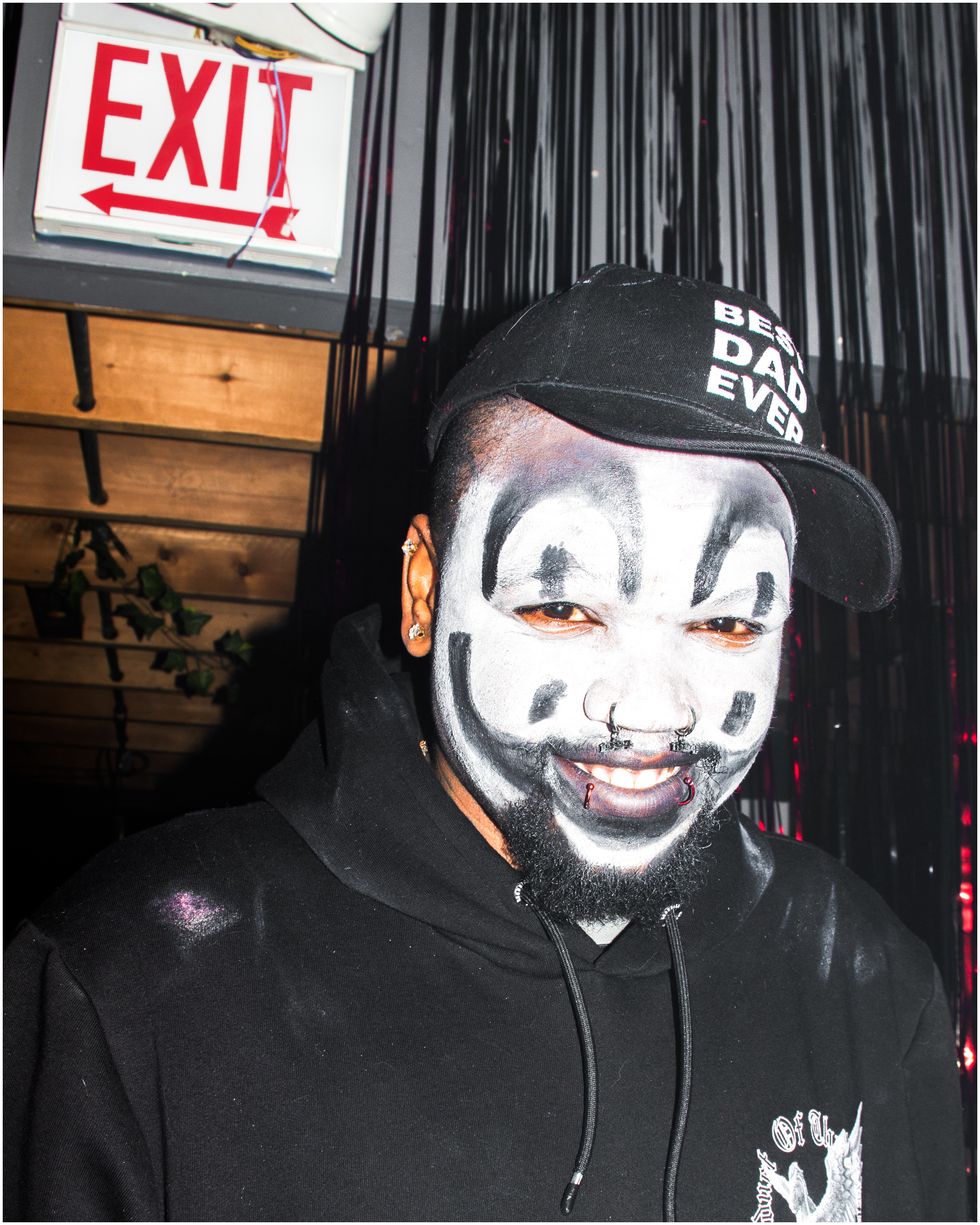
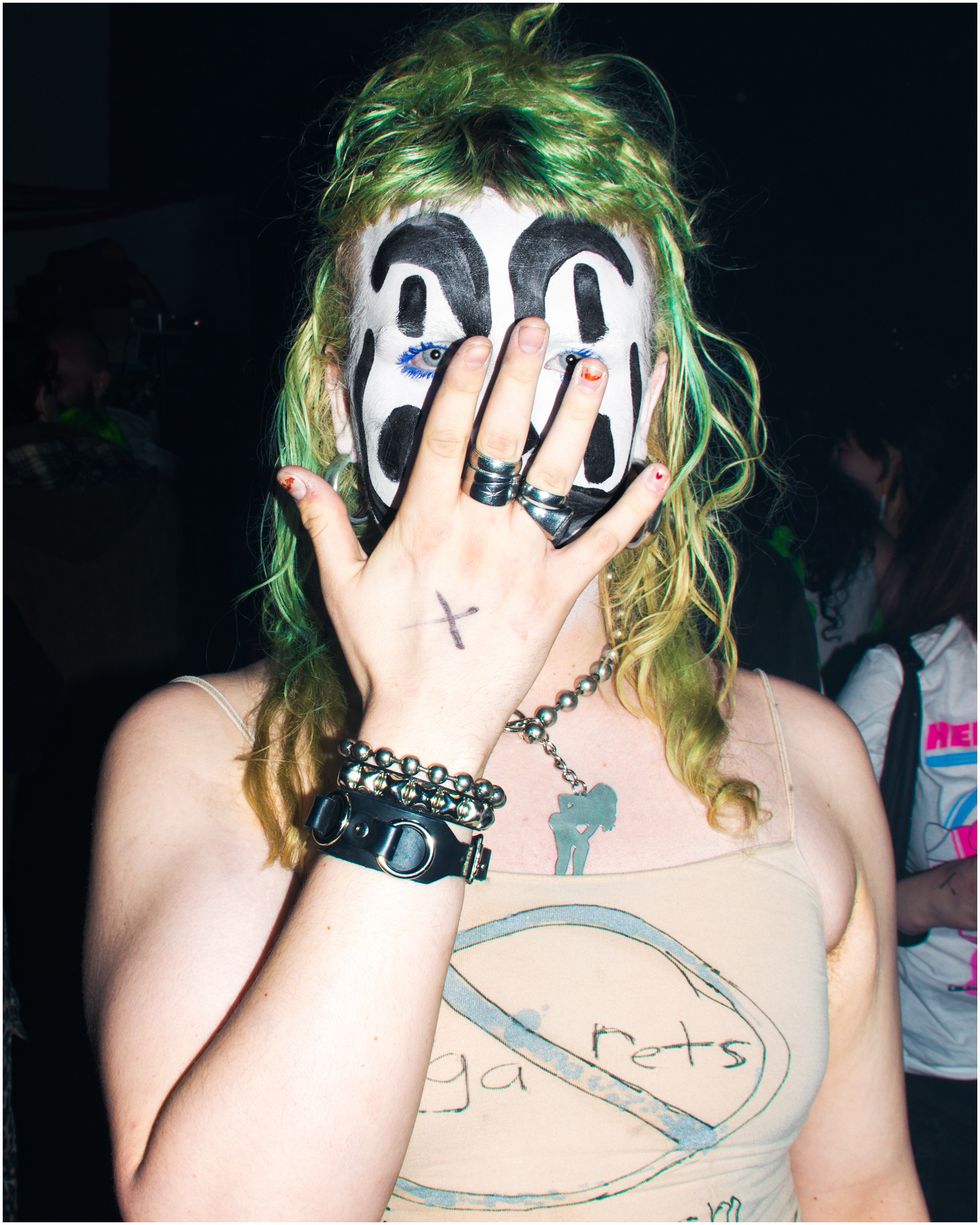
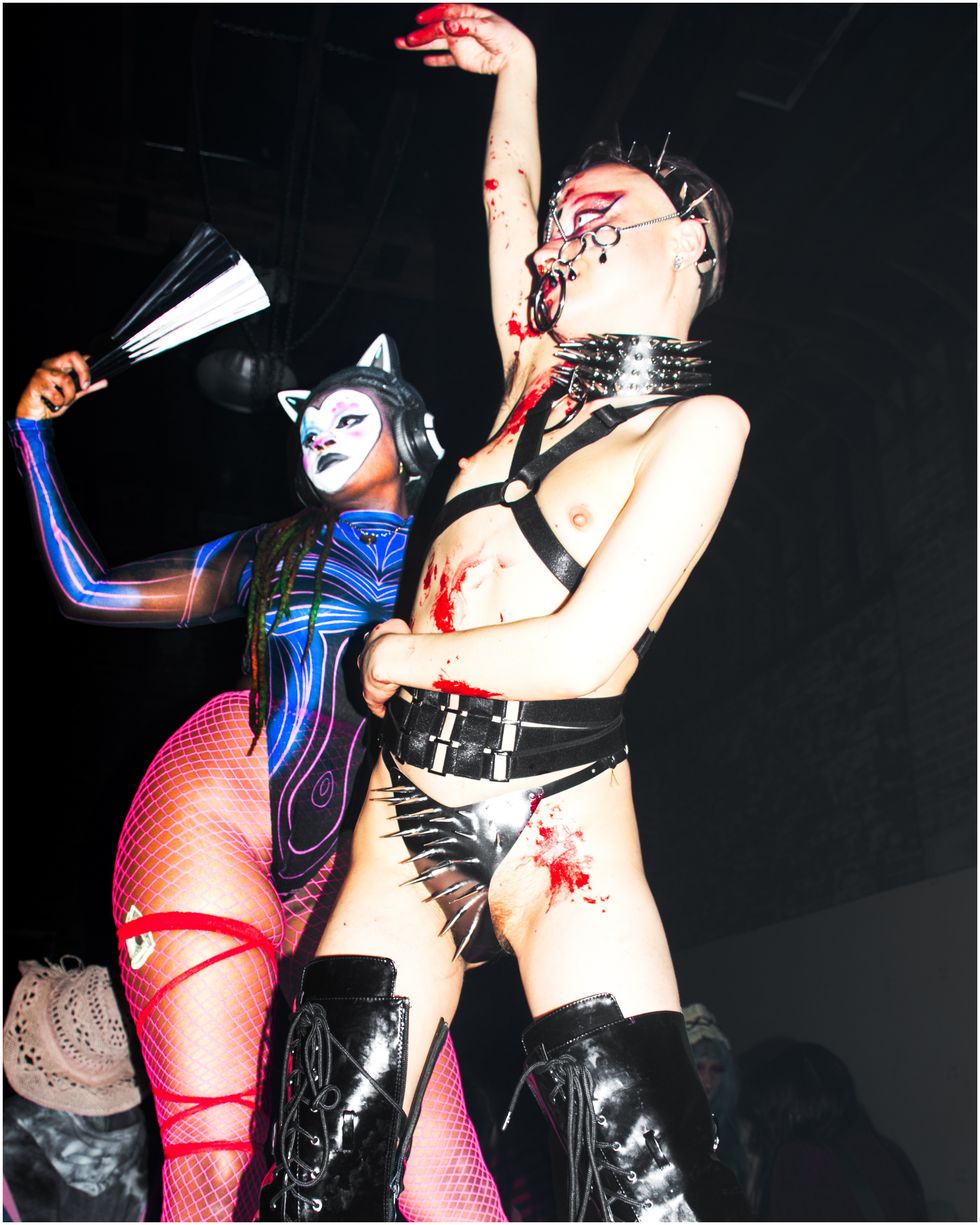
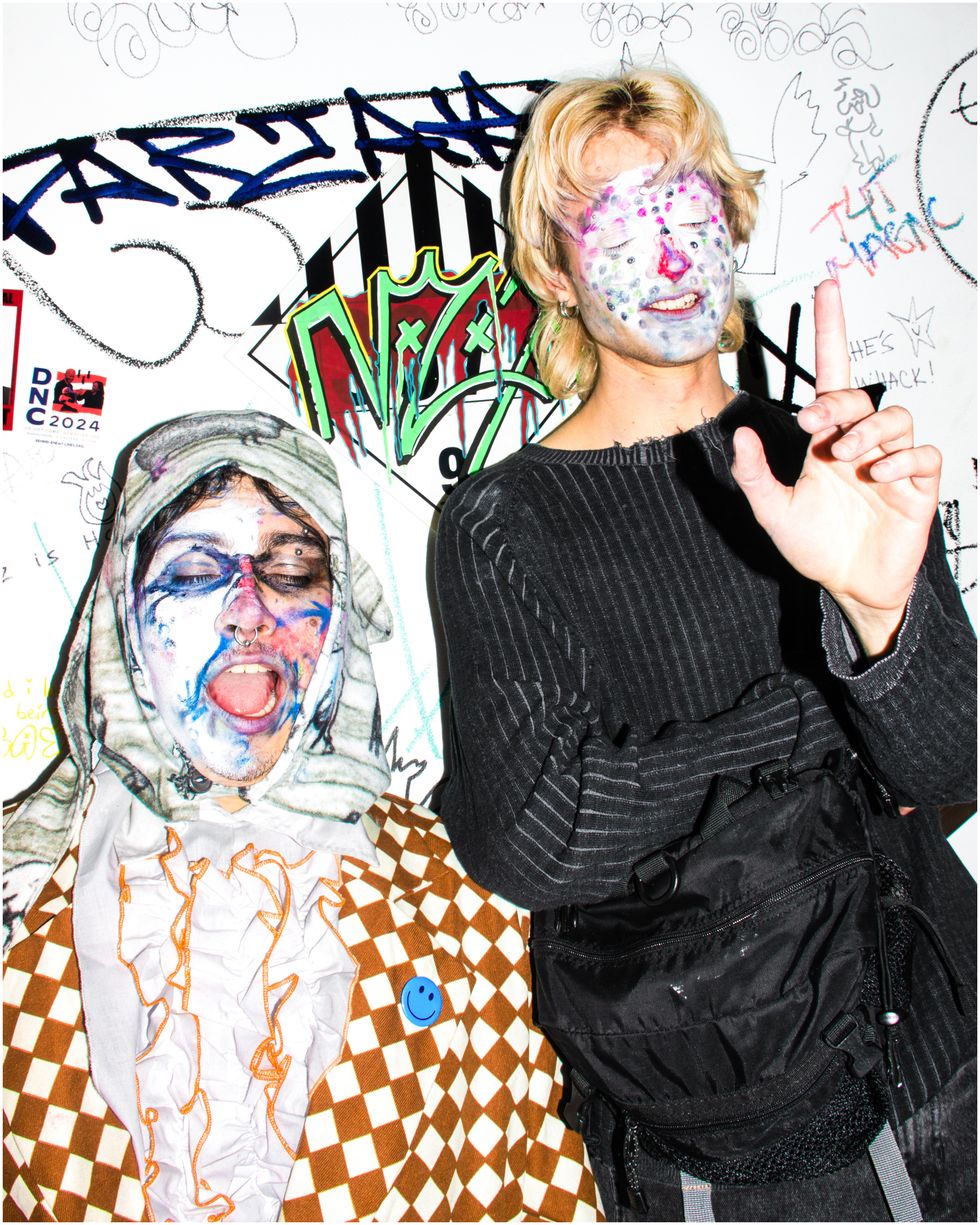
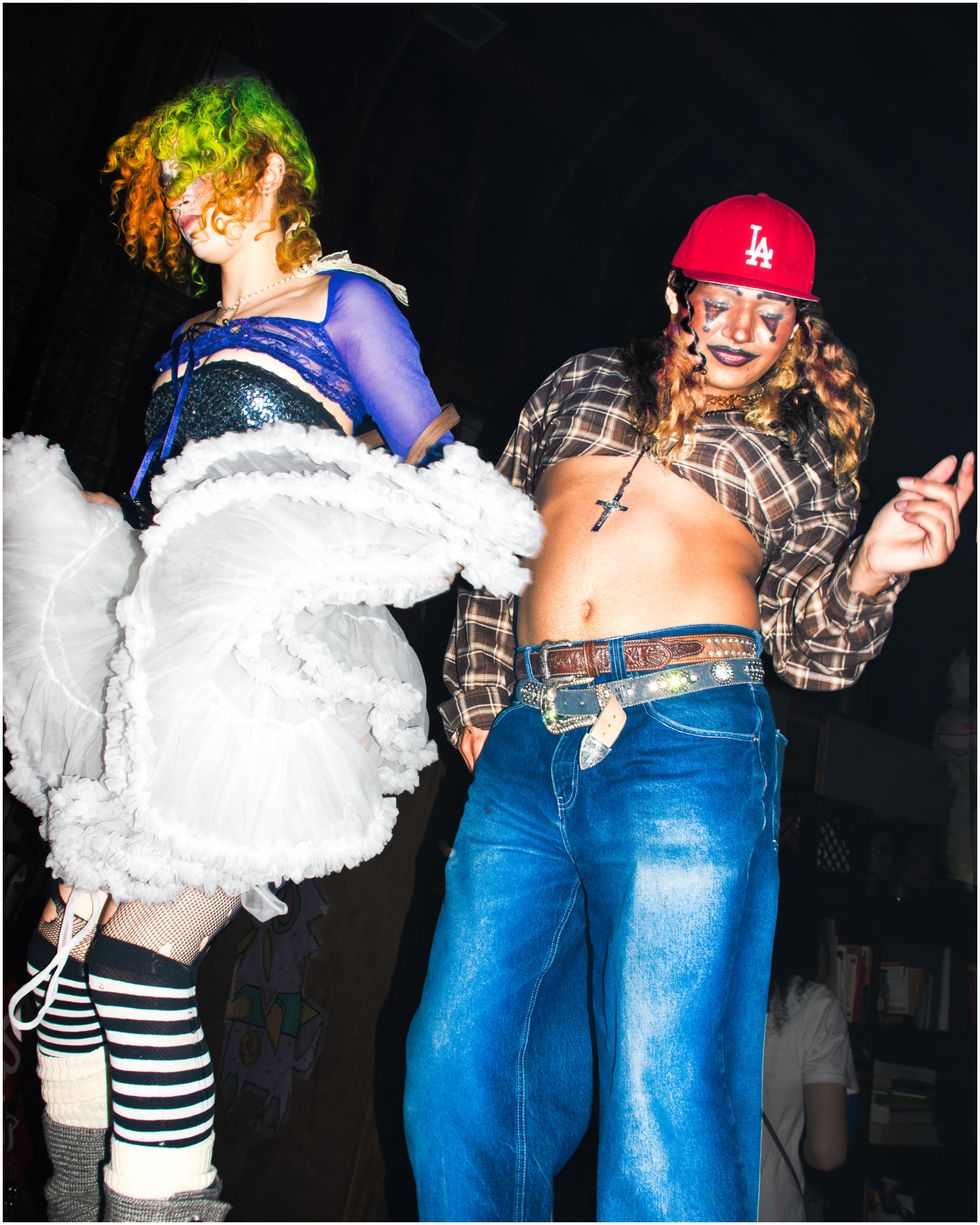
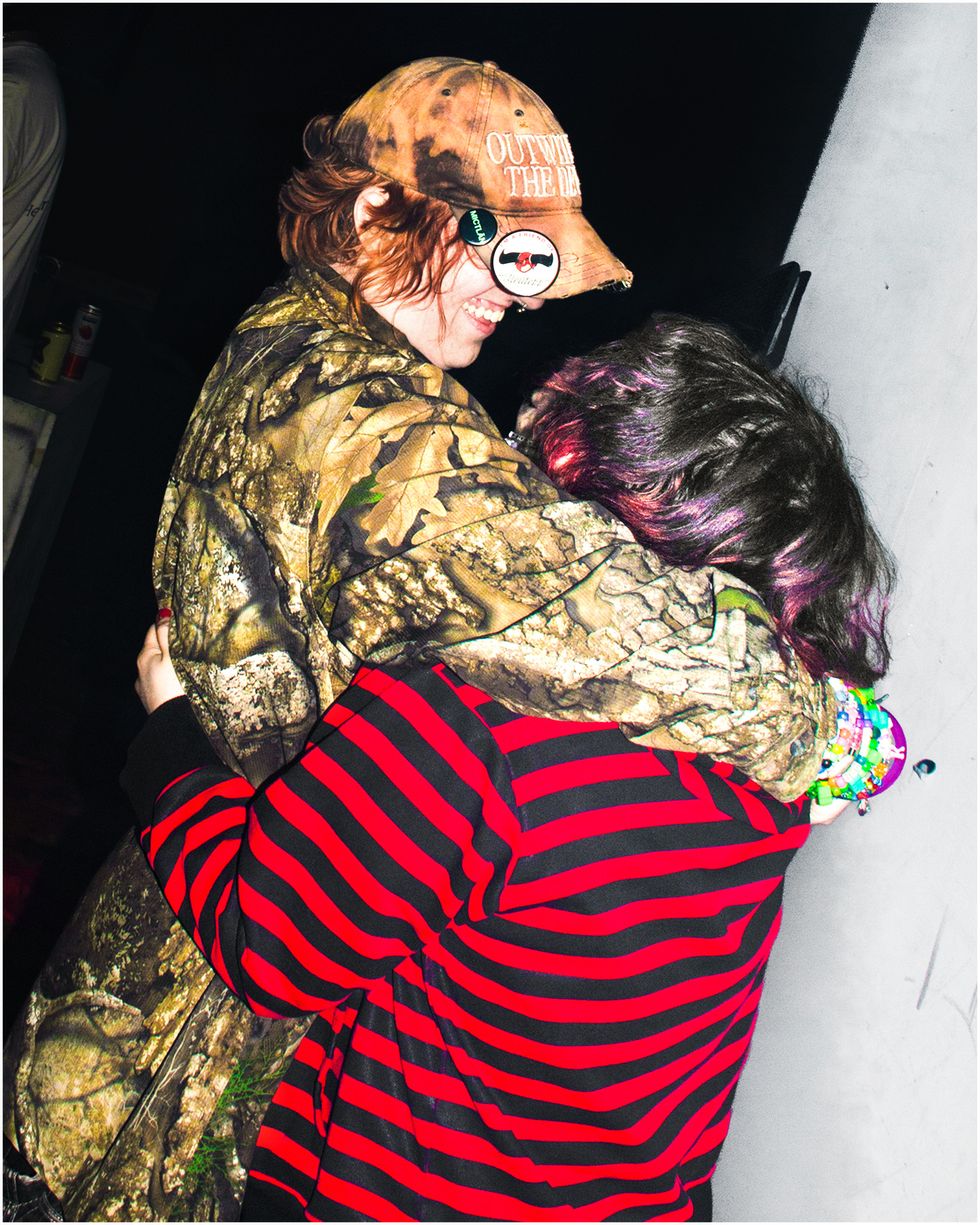
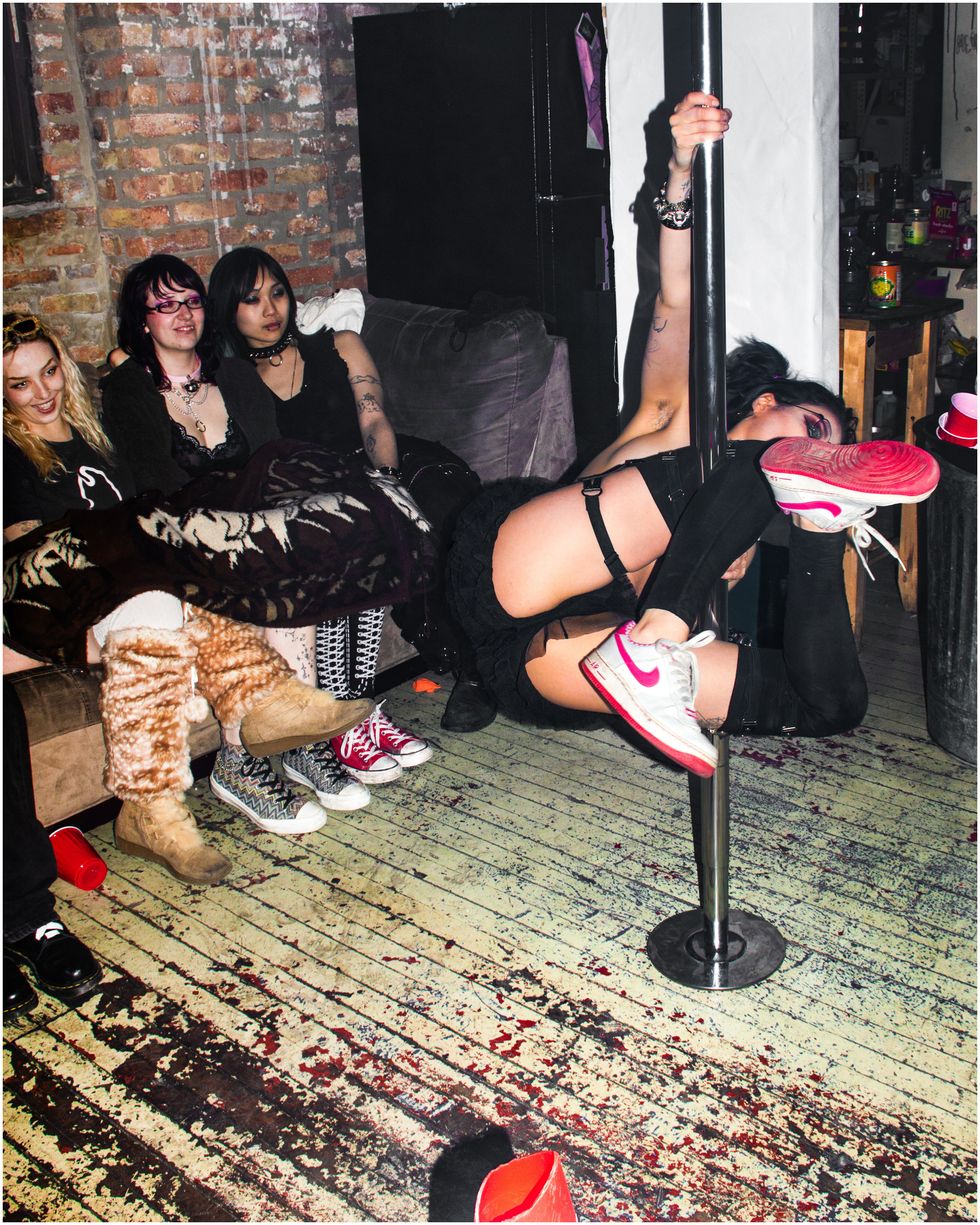
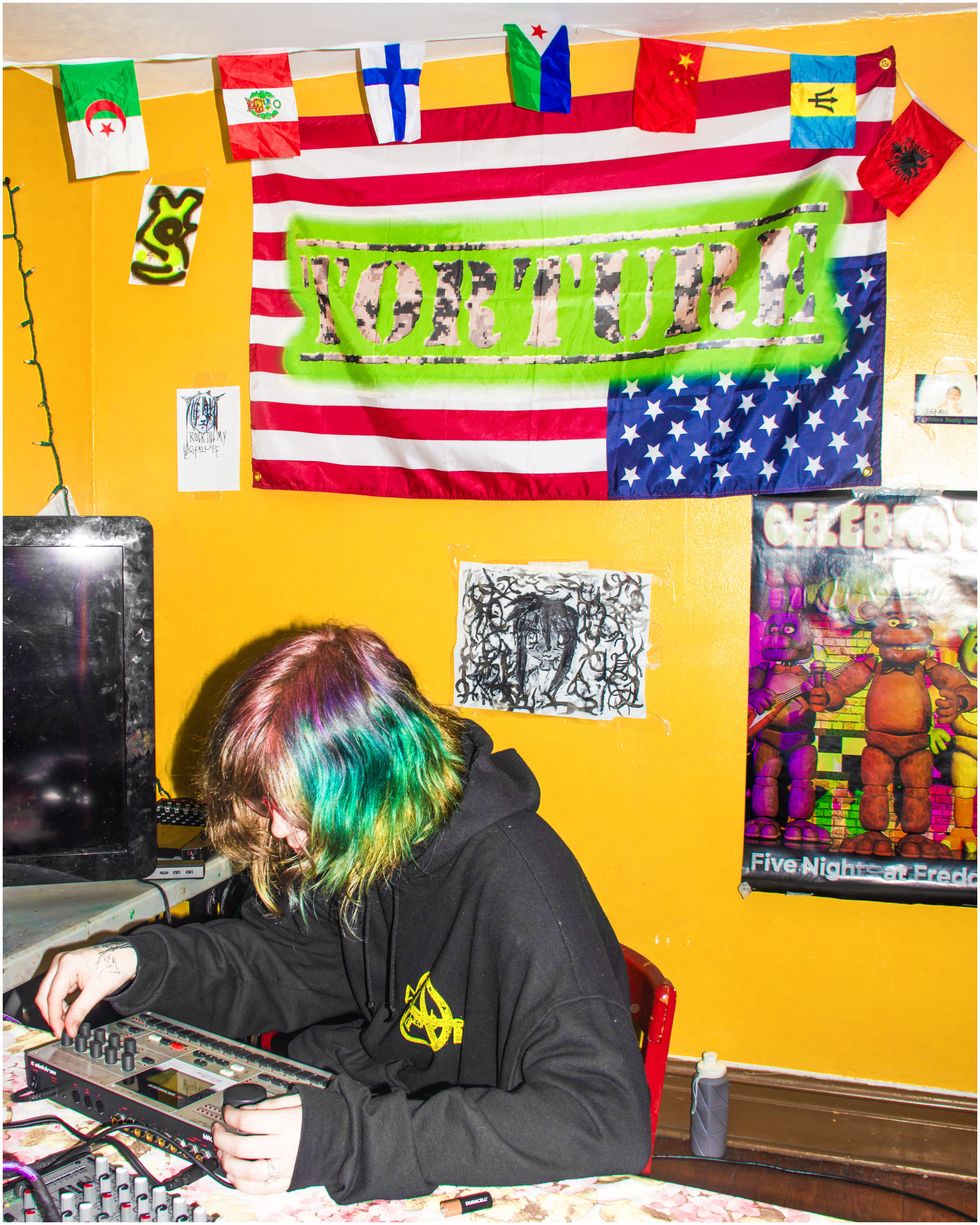
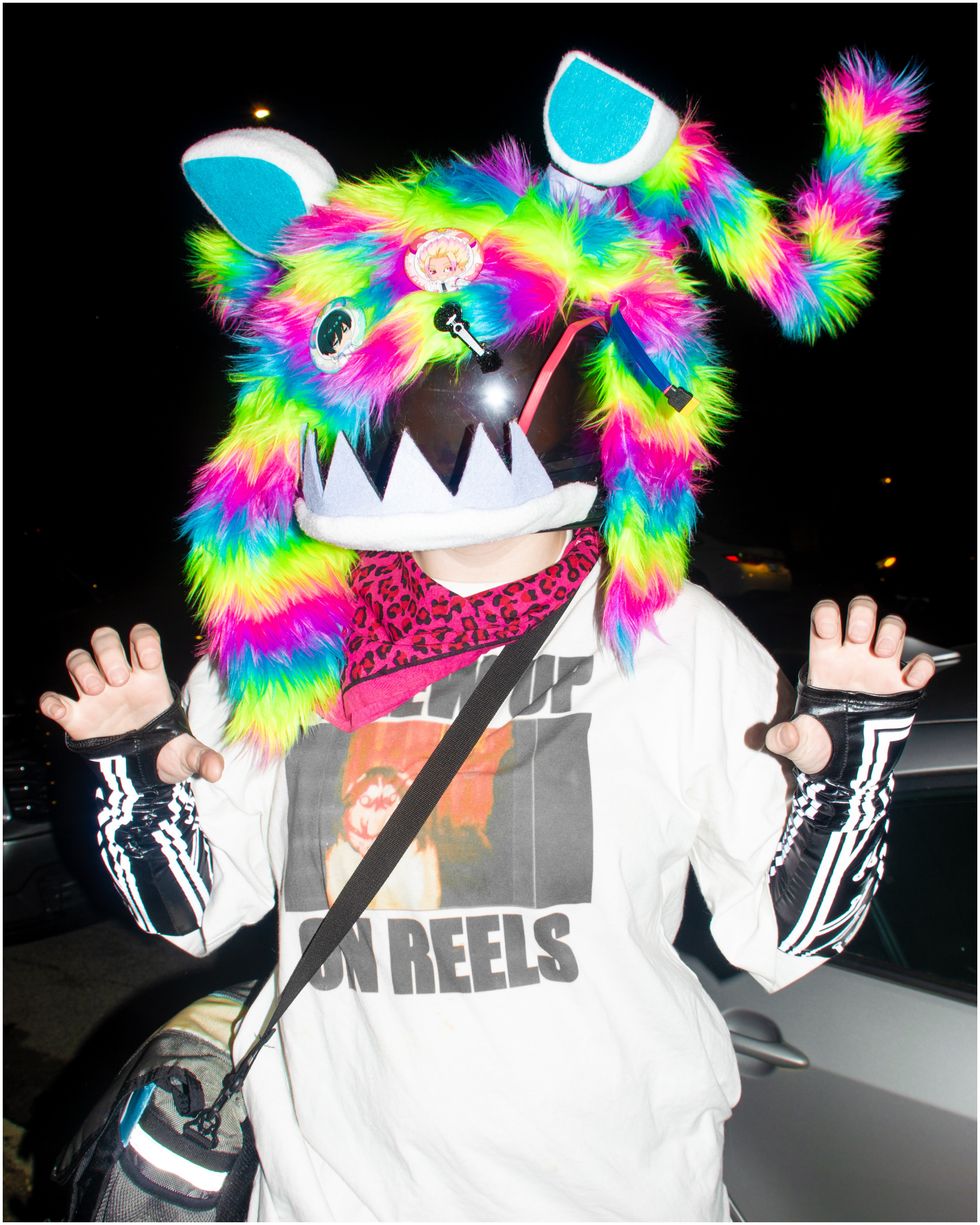
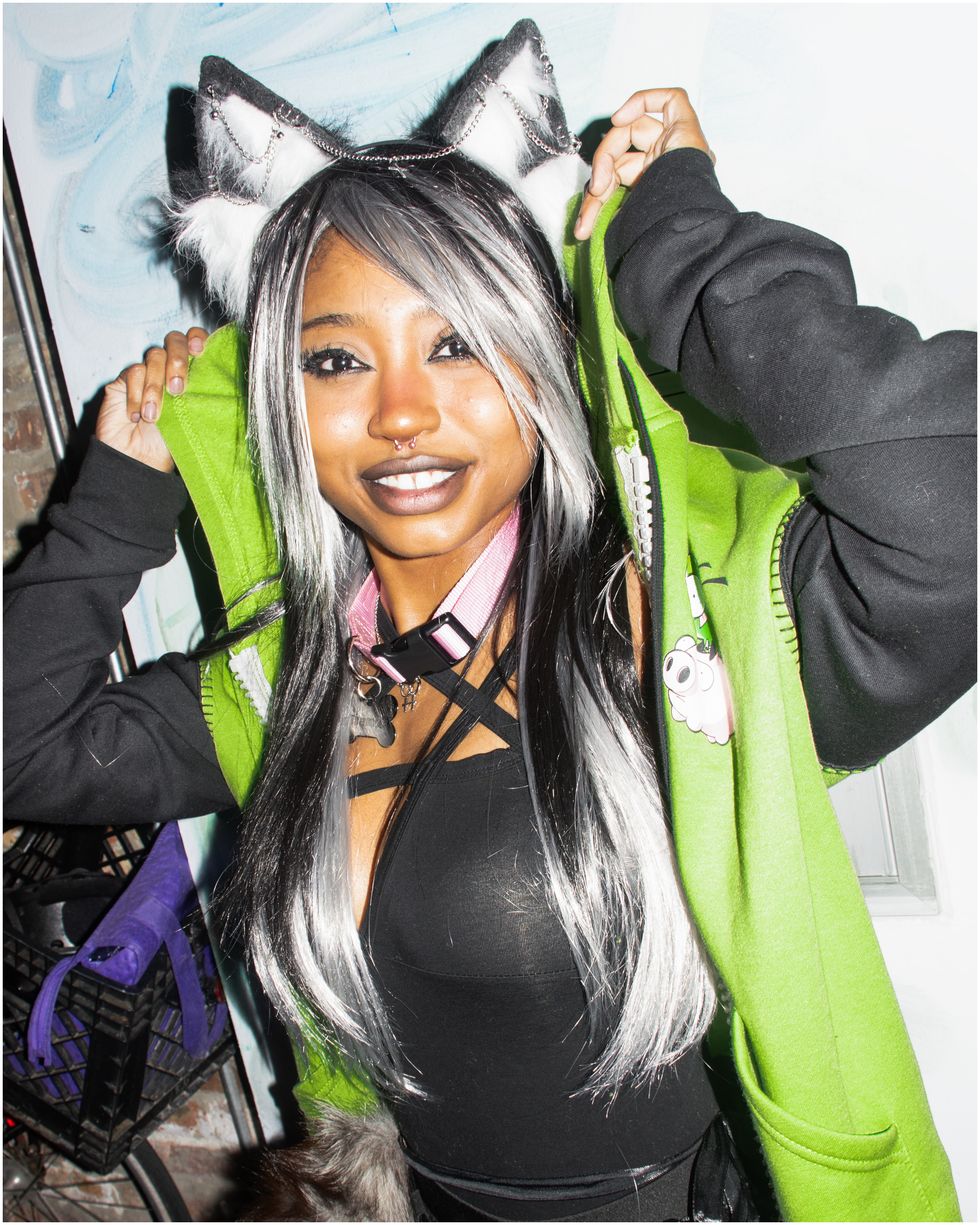
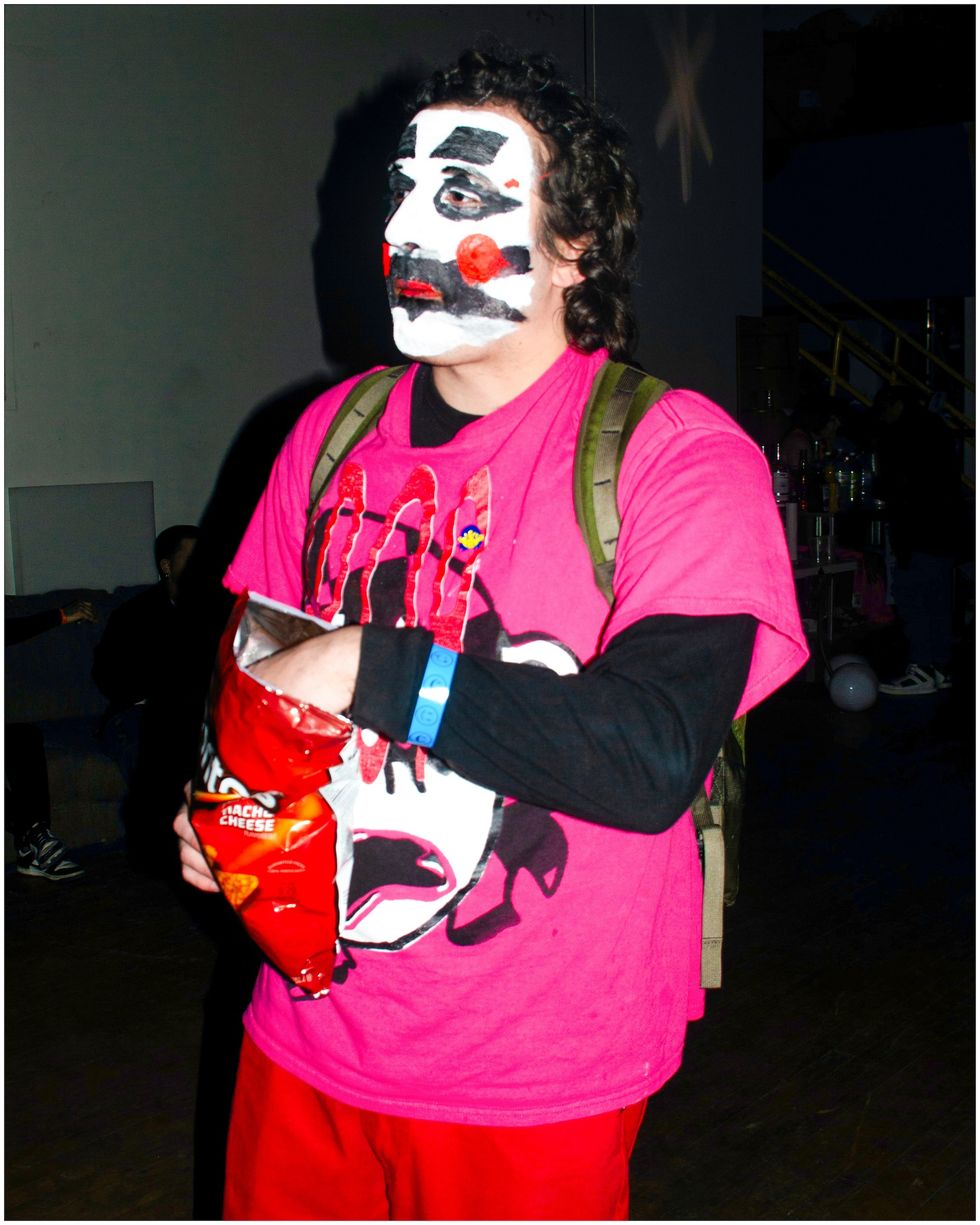
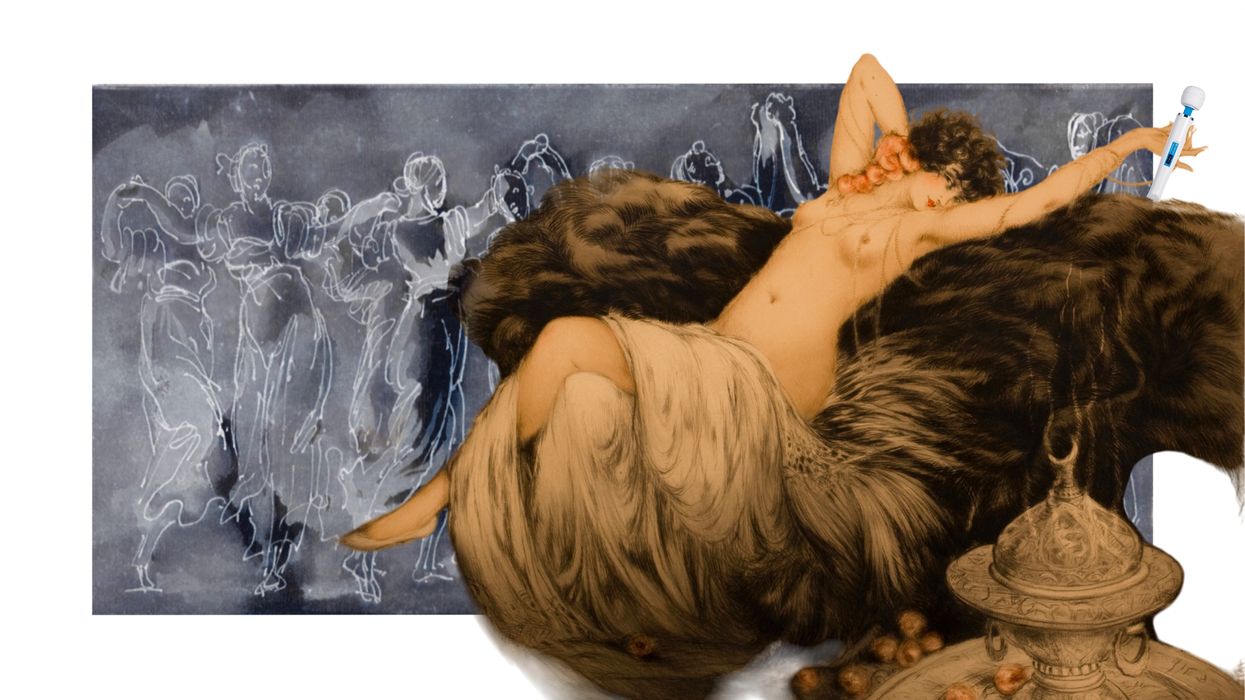
Mages Guild is a Chicago-based label and event collective inspired by the lawless spirit of Myspace-era digital music scenes. Founded by Care Online in 2023, the project has been a champion of experimental and outsider electronic in the age of A.I.-generated slop, with a deep love of rave culture, the queer community, and subcultures ranging from clowns to furries to Juggalos. And with a mission that resonates with many others in the underground, Mages Guild and its gatherings have become a nostalgic portal back to an era of discovery and connection, bringing together a group of people who’ve always existed on the fringes of internet music.

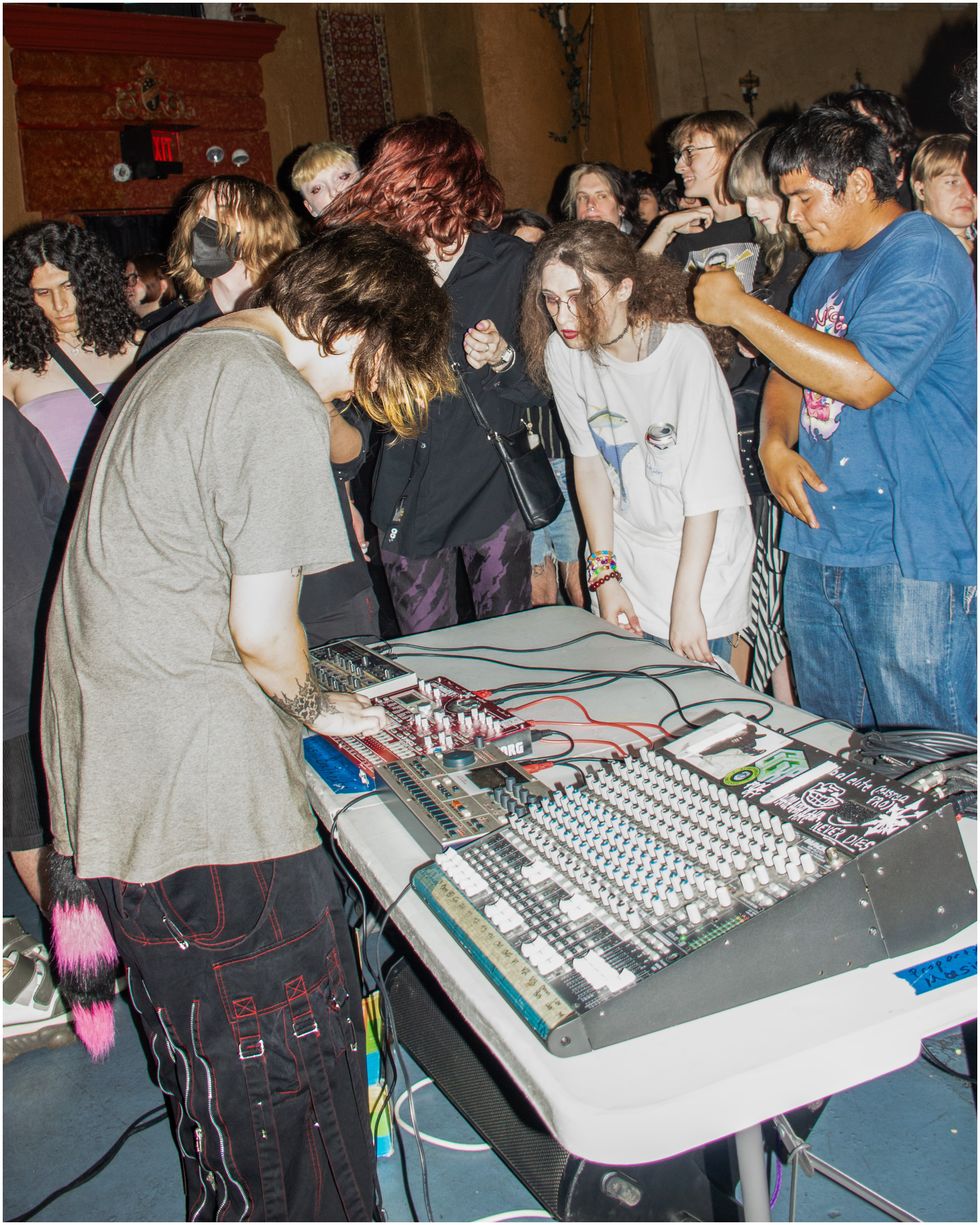
Read more about what Care has to say about Mages Guild’s work, alongside a photo gallery of events like Valhek II: Gatekeeper’s Revenge and their collaboration with Tennessee's Raverfurrest, below.
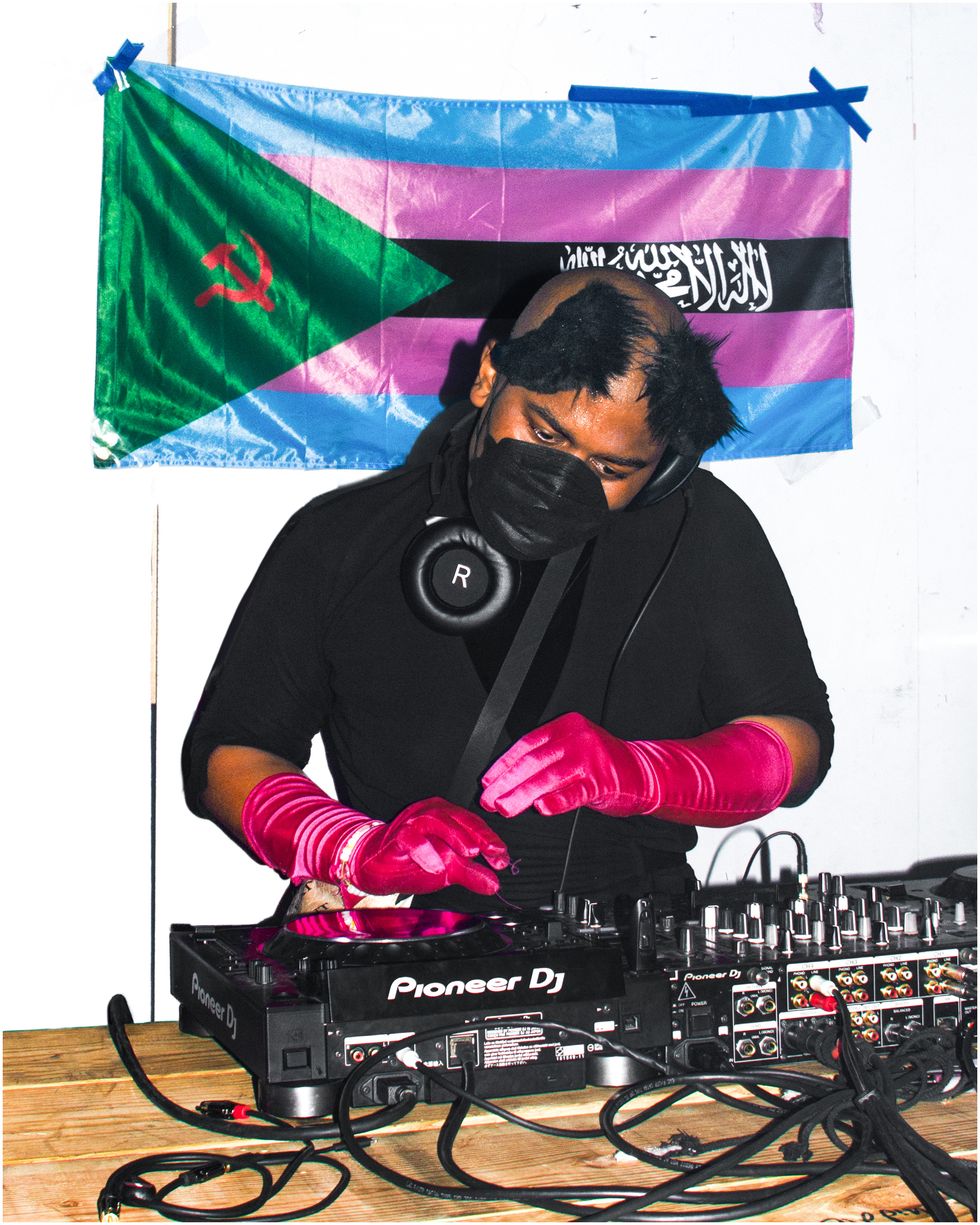

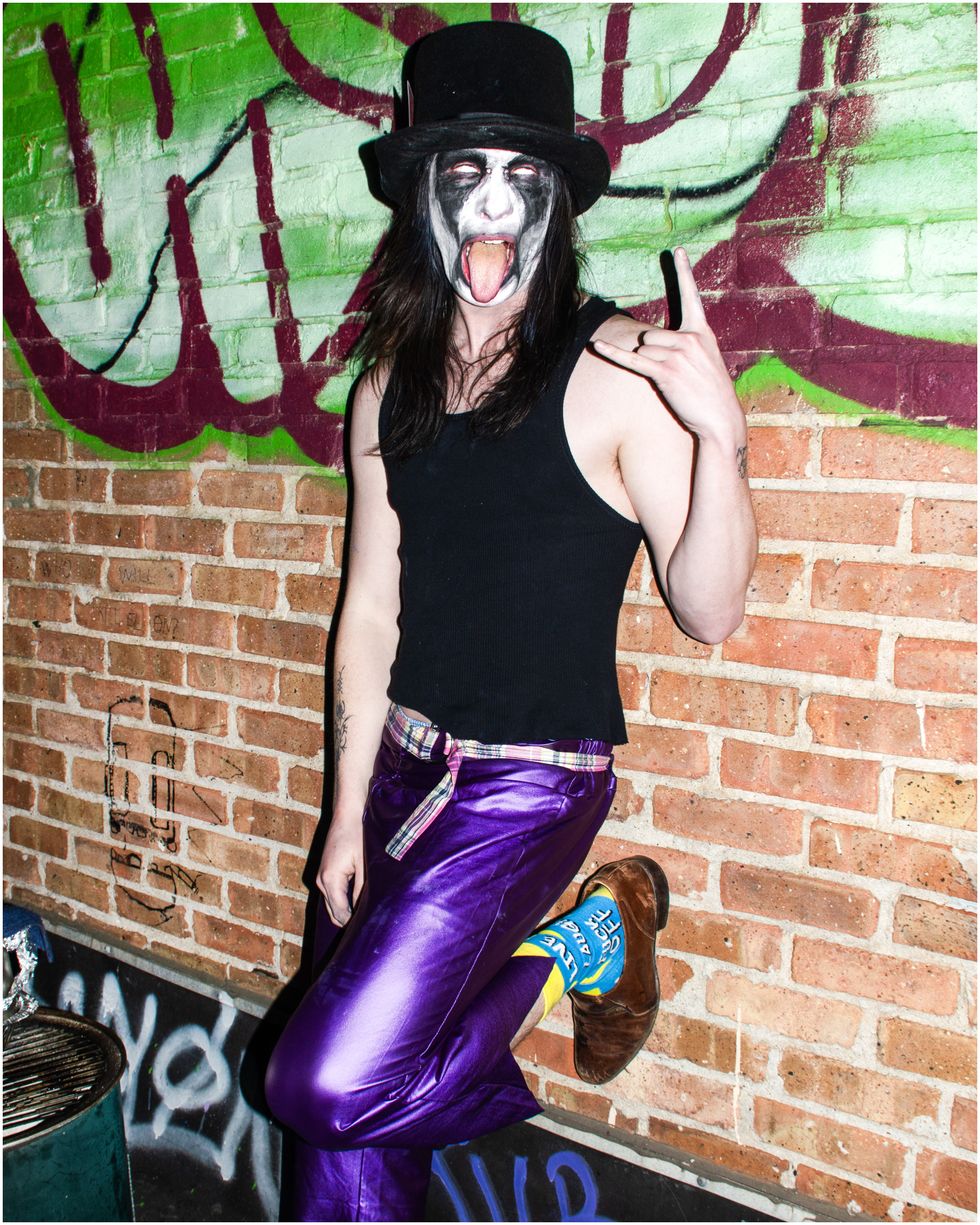
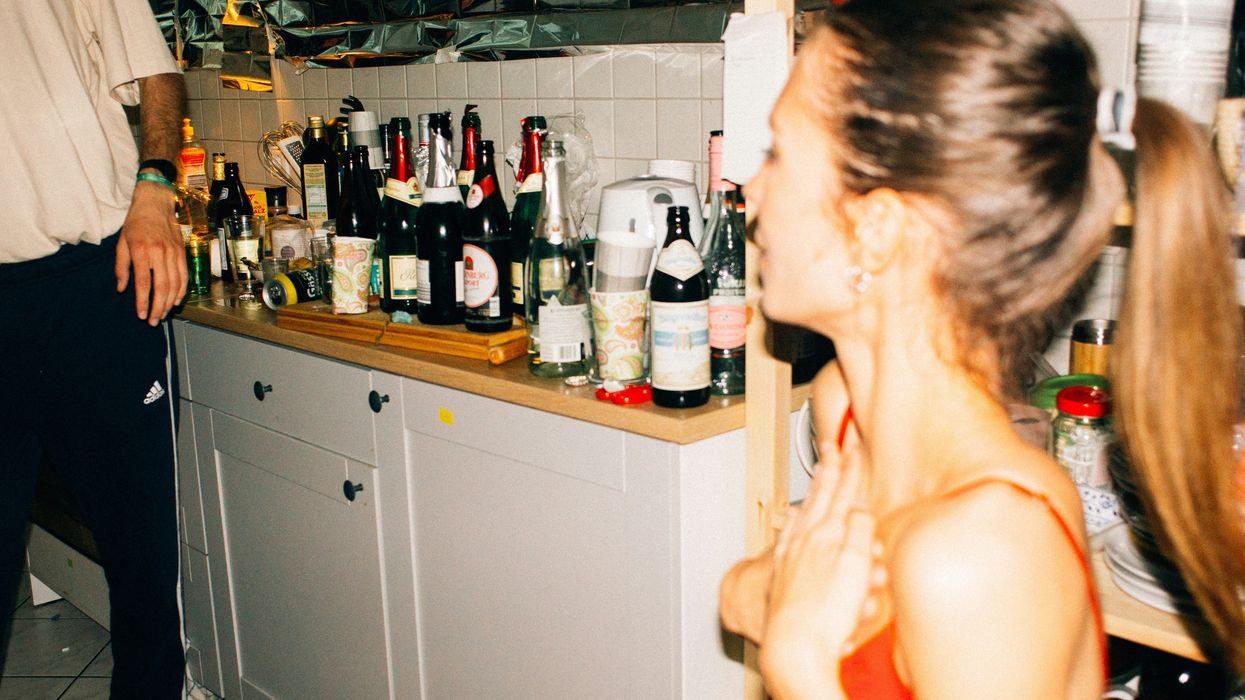
Photo by Gunner Manley

Mages Guild artist Sulffffffur
Can you tell me a little bit about Mages Guild, and how it’s been influenced by outlier dance genres?

Mages Guild is deeply inspired by the netlabel scene that existed on Myspace, Bandcamp and standalone websites in the early ‘00s. Many of the labels around that time had no rules and were pushing the strangest music possible at any given moment. Breakcore is extremely near and dear to my heart, mostly because of how common it was in these spaces. Sometimes, a compilation would be relatively normal and then have the most ridiculous, blown-out breakcore track. I really fell in love with trying to find the strangest songs I could when I was in high school, and [Mages Guild] quickly became the easiest way to go about that.

How would you describe your audience?

Every show I've ever booked has had a majority queer lineup. It hasn't really been an intentional thing… [it’s more because] those are the main people carrying the torch for this kind of outsider electronic music. I spend a lot of effort prioritizing people who really know their shit and spend a lot of time looking at, researching and working to shape a new dance music culture. I think it's made our average audience really special and really diverse.

I don't really try to promote our events beyond posting them on Instagram and Resident Advisor, so it ends up being for real heads only, which I vastly prefer to trying to cater to people who go to $300 EDM shows.

How has Mages Guild, its goals and vision changed since it started?

My goals are mostly the same, but due to the rise of online fascism and the internet becoming even more unusable than it already was, I've lost a lot of motivation to be pushing our label releases on social media. I never was crazy about it, but with Instagram and Twitter both being openly hostile to trans people, and Bandcamp coming under new management, I'm not necessarily thrilled to be posting on their platforms. As a result, most of my attention has been placed on trying to make stuff happen in real life. Despite that, we are currently working on a standalone website and a mailing list, similar to how older netlabels went about distribution and promotion. The rest of 2025 should be busy for releases, if everything goes according to plan.
More For You

The Czech Grotesque and How to Be Heard While Silenced
Photo and editing by Carson Aft

Prague, August 1968. Soviet tanks roll through the streets. In a cramped studio near the Vltava River, sculptor Karel Nepraš bends wire into skeletal frames, wraps them in fabric, and paints them an aggressive red. The result is Large Dialogue (1966): two figures locked in conversation, except they're skinless, monstrous, utterly wrong. Their cavities gape. Their proportions scream.

In criticizing the regime, artists risked disappearing, but by making something that felt wrong, that screamed through its distortion, artists could speak. By the mid-1960s, a loose movement Czech critics would later call "Czech Grotesque" had figured out that under censorship, distortion could say the things words could not. Artists like Nepraš, Jan Koblasa, Aleš Veselý, and filmmaker Jan Švankmajer built a visual language where distortion was the medium. When the state becomes monstrous, make monsters and let bodies do the talking.

Keep ReadingShow less
The Rise of D.I.Y. Botox and Fillers
Photo via Shutterstock/AtlasStudio

It’s a quiet Friday night, and Kirstin is busy setting up her injection station. Laid out on a tray for easy access, she places an alcohol wipe and a tube of lidocaine cream next to a box containing a small syringe of cosmetic dermal filler. She takes another look in the mirror and studies her face while testing out the plunger, doing a few tiny passes onto the tray before placing the needle to her lips. “It is a bit nerve-wracking, of course,” the 24-year-old says while detailing her first-time experience. “But overall, I’m thrilled with my results.”

Kirstin isn’t a doctor or a nurse, but she is part of a growing number of people doing at-home cosmetic injectables. Through social media, they teach each other how to perform procedures typically done in doctors’ offices and licensed medical spas. They swap tips, share product recommendations and talk about their own experiences. They ask ChatGPT for advice and discuss Trump’s tariffs affecting the cost of South Korean imports. And with the help of facial anatomy charts, fake practice lips and YouTube demonstrations, they fill, aspirate and inject before posting their results online.

Keep ReadingShow less
Niia's "Throw My Head Out the Window" Teeters on the Edge of Control

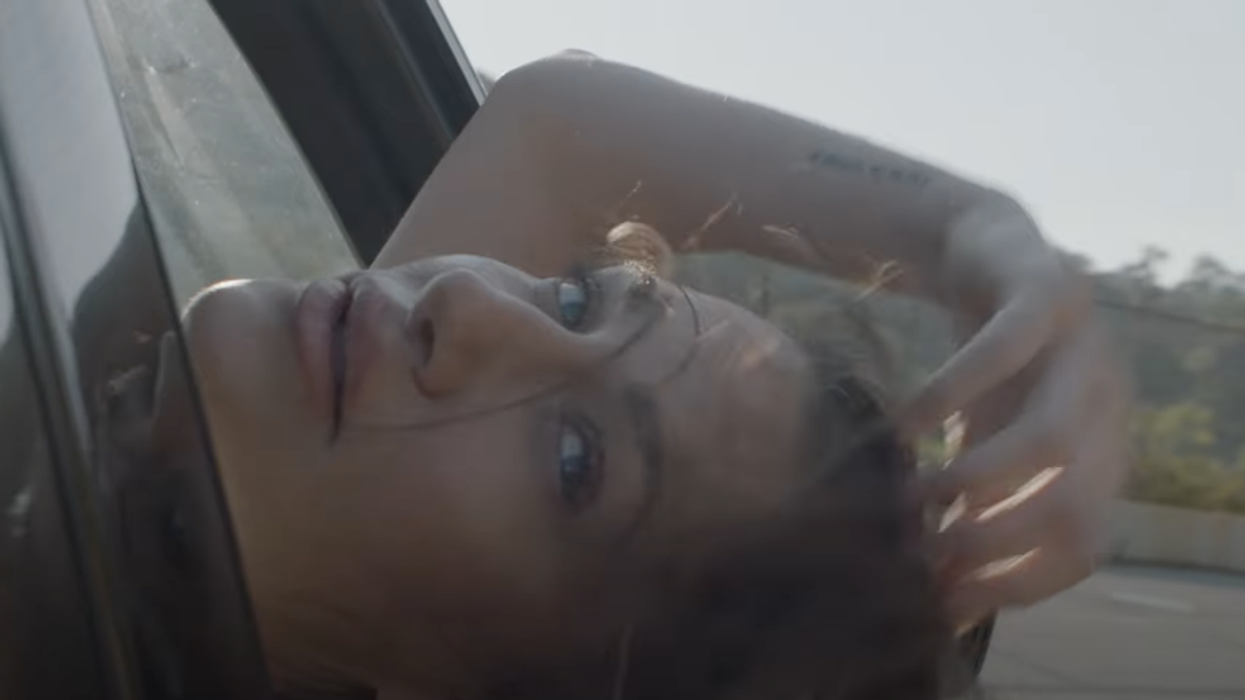
Niia’s “Throw My Head Out the Window” opens with the wistful wail of a lone saxophone, its notes heavy with longing. Her voice drifts in like smoke, aching in the same register.

In the minimalist music video, she hangs her head out a car window and croons to the Los Angeles canyons. The track builds over skittering, dance-inflected production, her voice picking up momentum as the tension coils tighter in her delivery. It’s moody, striking and teetering on the edge of control, with a deep undercurrent of angst that hovers just above a scream. The bubble threatens to burst, but it never does. And that restraint is intentional.

Keep ReadingShow less
Reality TV Is Turning Us Into Armchair Psychologists
Illustration by Mark Paez

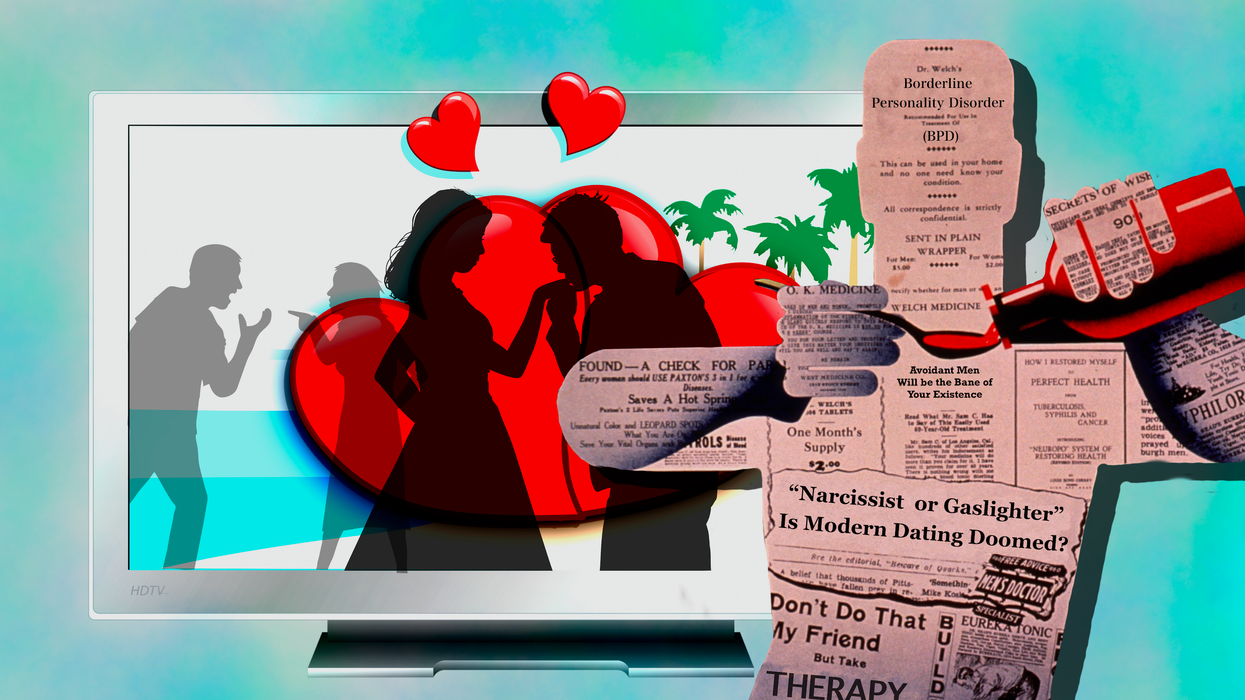
At the height of Love Island USA season 7, new episodes were only half the entertainment. As each one aired, the fun came with recapping, discussing and dissecting the Islanders’ every move on social media. But that conversation quickly went south, as some viewers began diagnosing contestants like Huda Mustafa with borderline personality disorder (BPD). As Mustafa’s relationship with Jeremiah Brown shifted from lovey-dovey moments to screaming call-outs, more and more people piled on with amateur commentary. And in the era of armchair psychology, Love Island contestants aren't the only reality stars under this kind of scrutiny.

With social media breeding a new kind of fan culture around surveillance-based reality shows like Love Is Blind, Big Brother, The Ultimatum and Love Island, a different entertainment experience has emerged. Audiences don’t just watch people on reality shows anymore; they try to diagnose them.

Keep ReadingShow less
The Labubu as an Anti-Fashion Statement
Illustration by Mark Paez/Photos via Shutterstock

A couple of years ago, the Labubu was practically a secret. With its pointy ears and sharp-toothed grin, the Pop Mart plushie was an IYKYK obsession among fashion insiders, spotted on Birkin bags and in the front row of shows. It signaled a niche kind of cool, a playful rebellion against the seriousness of high fashion. It said, “I’m young, irreverent and fun.” And for a while, that’s exactly what it was.

Then came the boom.

Keep ReadingShow less