
Skip to content
Search

Latest Stories

Niia's "Throw My Head Out the Window" Teeters on the Edge of Control

Niia's "Throw My Head Out the Window" Teeters on the Edge of Control

Niia’s “Throw My Head Out the Window” opens with the wistful wail of a lone saxophone, its notes heavy with longing. Her voice drifts in like smoke, aching in the same register.

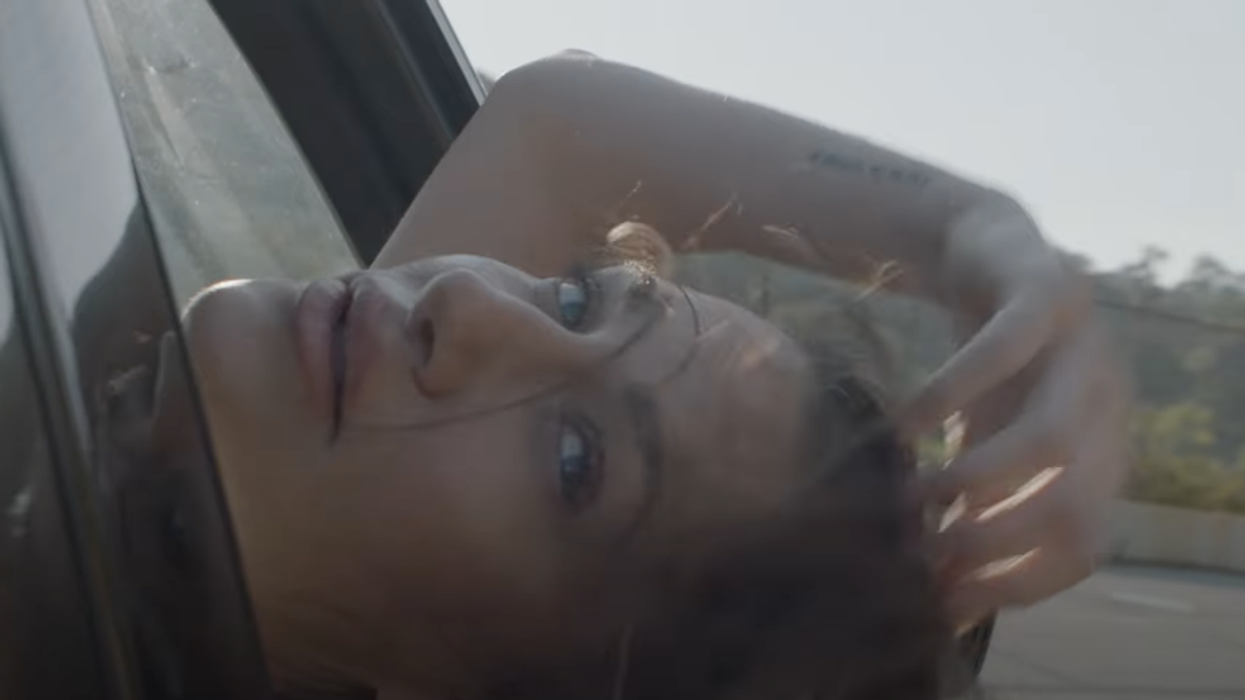
In the minimalist music video, she hangs her head out a car window and croons to the Los Angeles canyons. The track builds over skittering, dance-inflected production, her voice picking up momentum as the tension coils tighter in her delivery. It’s moody, striking and teetering on the edge of control, with a deep undercurrent of angst that hovers just above a scream. The bubble threatens to burst, but it never does. And that restraint is intentional.


As Niia explains, the song captures “what happens when you can’t scream but can’t stay still either.” In those moments, the wind “does the screaming for you—fast enough to drown out the static, soft enough to remind you you’re still here.” That rush of air, she adds, is “just enough to keep me going.”

Watch the music video for “Throw My Head Out the Window” below.

Niia's fifth studio album V is out October 10 via Candid Records. Pre-order it here.

More For You

The Czech Grotesque and How to Be Heard While Silenced
Photo and editing by Carson Aft

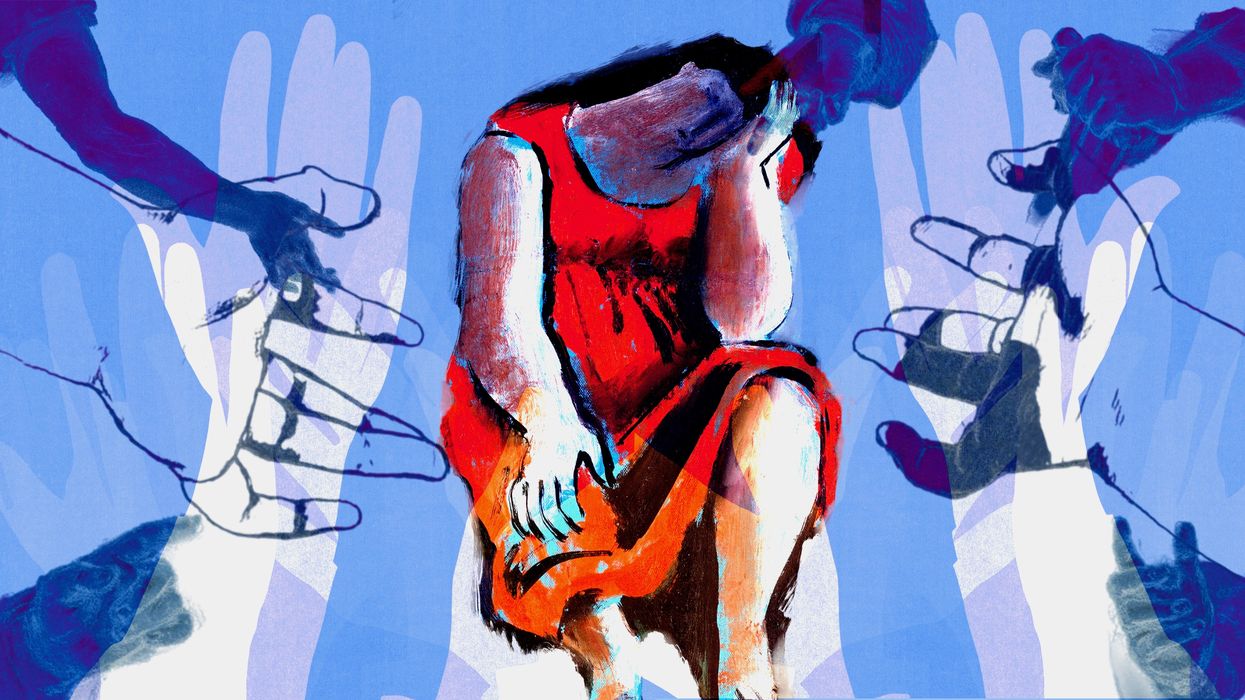
Prague, August 1968. Soviet tanks roll through the streets. In a cramped studio near the Vltava River, sculptor Karel Nepraš bends wire into skeletal frames, wraps them in fabric, and paints them an aggressive red. The result is Large Dialogue (1966): two figures locked in conversation, except they're skinless, monstrous, utterly wrong. Their cavities gape. Their proportions scream.

In criticizing the regime, artists risked disappearing, but by making something that felt wrong, that screamed through its distortion, artists could speak. By the mid-1960s, a loose movement Czech critics would later call "Czech Grotesque" had figured out that under censorship, distortion could say the things words could not. Artists like Nepraš, Jan Koblasa, Aleš Veselý, and filmmaker Jan Švankmajer built a visual language where distortion was the medium. When the state becomes monstrous, make monsters and let bodies do the talking.

Keep ReadingShow less
ChatGPT Psychosis in the Age of AI Companionship
Illustration by Mark Paez

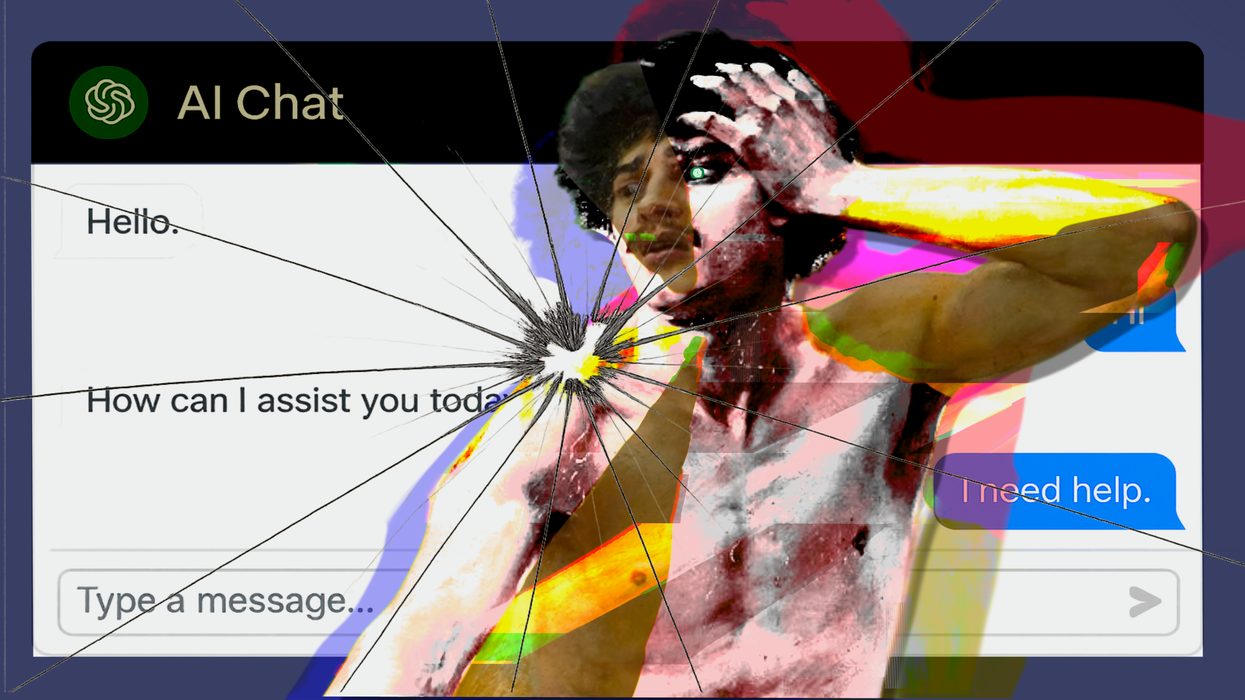
It often starts innocently enough, with late-night chats about philosophy, deep dives into simulation theory or musings on the nature of consciousness. But for a small number of users, these exchanges with AI chatbots can take a darker turn. As tools like ChatGPT become more embedded into everyday life, mental health professionals are sounding the alarm about a rare but troubling new phenomenon. It's what some are now calling "ChatGPT psychosis," where AI interaction may intensify or trigger psychotic symptoms.

While there’s still no official diagnosis and the evidence remains anecdotal, these kinds of stories continue to pop up across the internet. On Reddit, users are sharing accounts of loved ones experiencing AI-associated delusions, often involving spiritual and supernatural fantasies. On X, prominent tech VC Geoff Lewis claims that he’s “the primary target of a non-governmental system,” beliefs that echo narratives commonly seen in persecutory delusions. Lewis stated that conversations with AI helped him uncover or “map” this supposed conspiracy, though it's unclear whether these beliefs preceded or followed his AI interactions.

Keep ReadingShow less
The Labubu as an Anti-Fashion Statement
Illustration by Mark Paez/Photos via Shutterstock

A couple of years ago, the Labubu was practically a secret. With its pointy ears and sharp-toothed grin, the Pop Mart plushie was an IYKYK obsession among fashion insiders, spotted on Birkin bags and in the front row of shows. It signaled a niche kind of cool, a playful rebellion against the seriousness of high fashion. It said, “I’m young, irreverent and fun.” And for a while, that’s exactly what it was.

Then came the boom.

Keep ReadingShow less

It’s not even 11 p.m., and the house is already trashed. Empty beer cans line the window sills, people are ashing cigarettes into plastic cups and someone’s puking in the bathroom. The floor is sticky, and the iPod DJ is playing “Gasolina,” while the host is running around with a garbage bag, frantically trying to clean up the mess. It’s all pretty average by house party standards, but in 2025, everyone still wants to relive the nights they can’t remember.

House parties these days are rare. With rising rent prices and shrinking living spaces, most people can barely afford to throw one, let alone live somewhere big enough to host. Plus, young people are drinking and going out less, preferring more intimate hangouts over loud clubs or massive gatherings. But even with these shifts, house party nostalgia is alive and well — and it’s making a comeback with Gen Z.

Keep ReadingShow less
Can BDSM Help With Anxiety?
Photo by Warm Orange

There are countless ways to cope with anxiety. Some people journal, others meditate, and many practice deep breathing exercises in search of peace. But what if the thing that helps quiet your racing thoughts isn’t a weighted blanket or a mindfulness app? What if it’s ropes, restraints, and, sometimes, a whip?

It might sound counterintuitive, but for some submissives, BDSM and intentionally mimicking moments of surrender may help soothe anxiety. When control is consensually handed over to a trusted dominant who honors clear boundaries, stepping into a carefully negotiated scene can potentially create a surprising sense of calm or even offer a way to confront preexisting anxieties. And with the use of safewords, participants can start, stop, or adjust the scene at any moment, creating a structure where vulnerability is supported by control, says sex and intimacy coach Annette Benedetti.

Keep ReadingShow less