
Skip to content
Search

Latest Stories

Andrea Crespi's Optical Art Bends Boundaries

Andrea Crespi's Optical Art Bends Boundaries

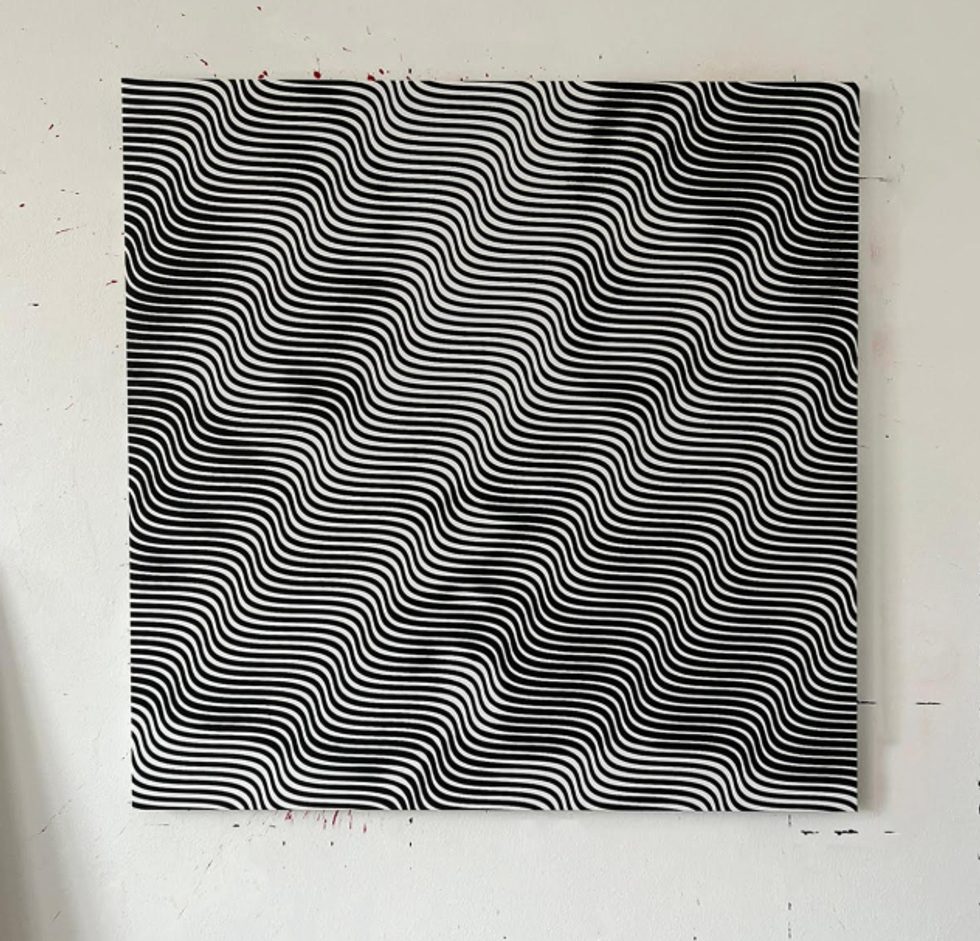
Andrea Crespi is an Italian multimedia artist whose work, quite literally, bends boundaries. With an emphasis on optical illusion and strong black-and-white linework, the 32-year-old’s instantly recognizable style takes ample inspiration from surrealism, pop and street art. And the end result is a dizzying yet distinct array of work that truly feels like it’s “always in motion.”


“I’ve often lived, and still live, in a world of my own,” Crespi says, before adding that he works with themes very much grounded in reality.
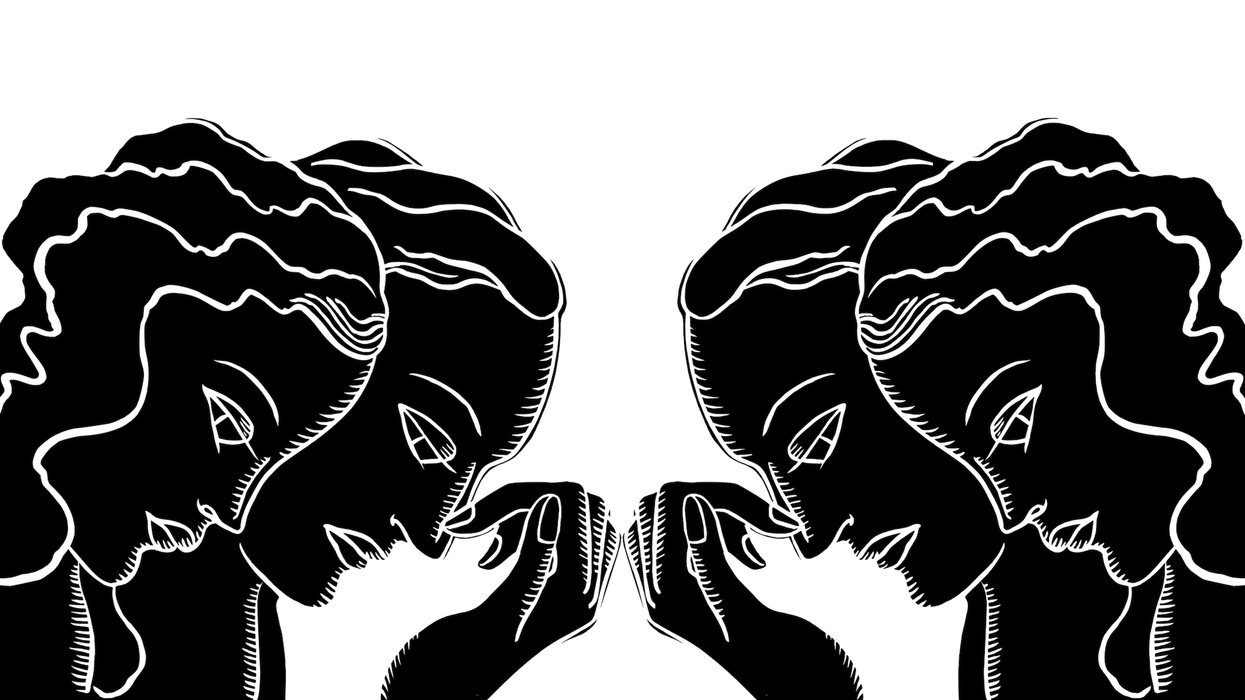
"Touch of Lips" / Cohart

“My work draws inspiration from contemporary society. I explore different themes, but what connects them all is the present moment,” he says. “[It’s about] how we experience emotions, change, and universal topics through the lens of today’s world.”
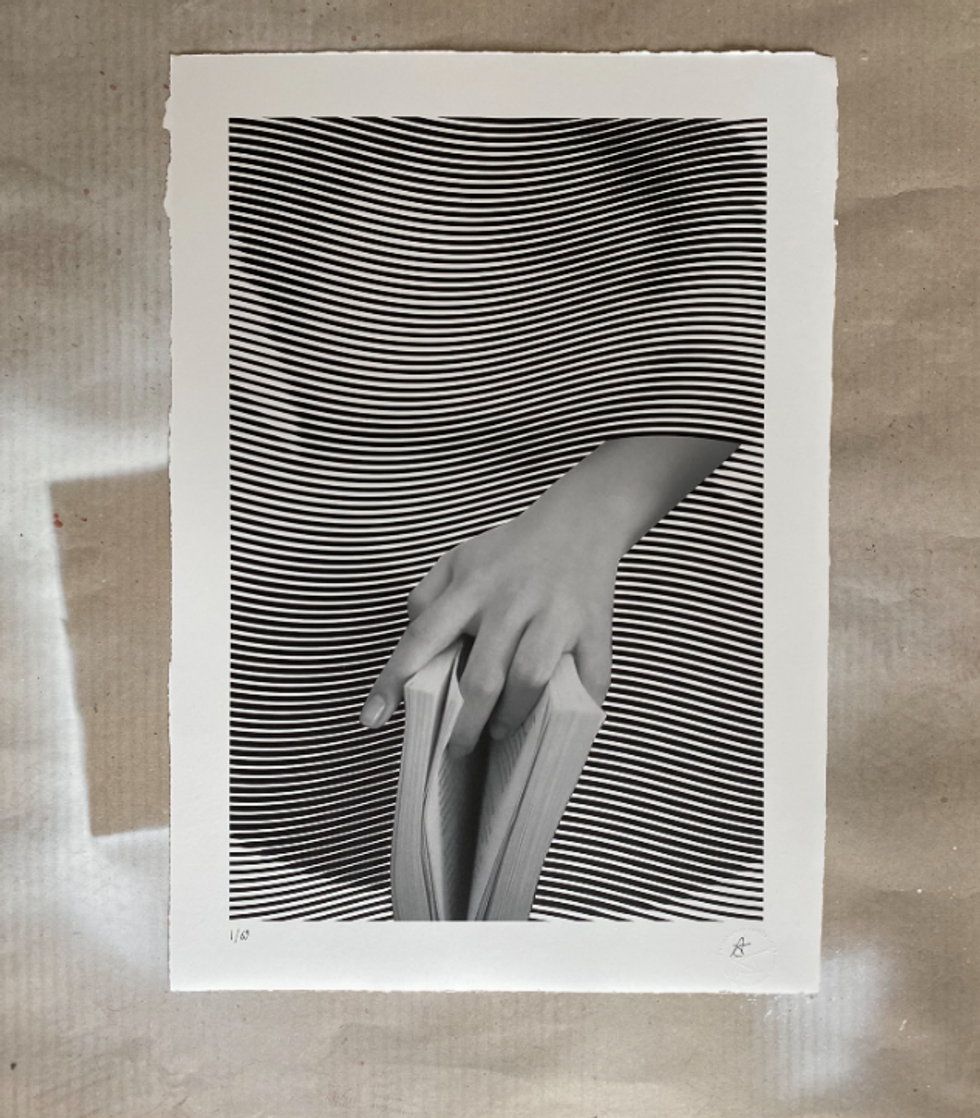
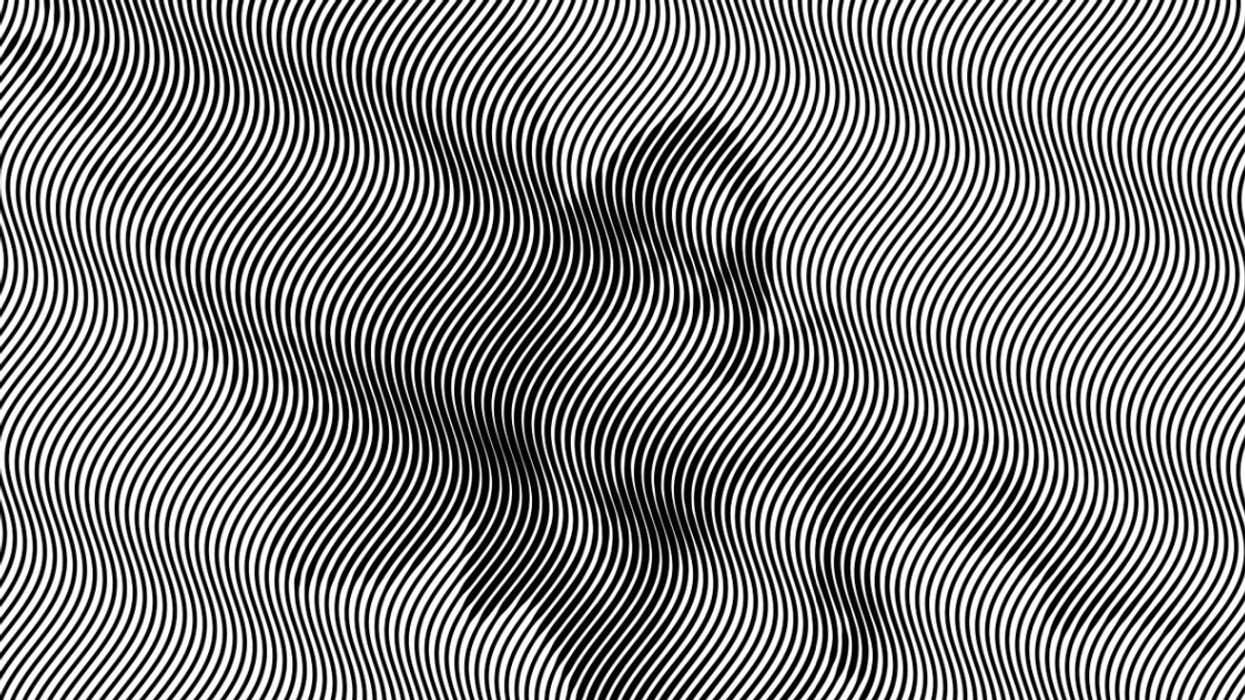
"Read Between the Lines" / Cohart

Constantly evolving through “the subjects I explore and the mediums I use,” Crespi is a prime example of an artist who rejects stagnancy on both a visual and conceptual level. And with several upcoming exhibitions and a collaboration with Ducati this summer, he’s bound to pop up on your feed in one way or another.
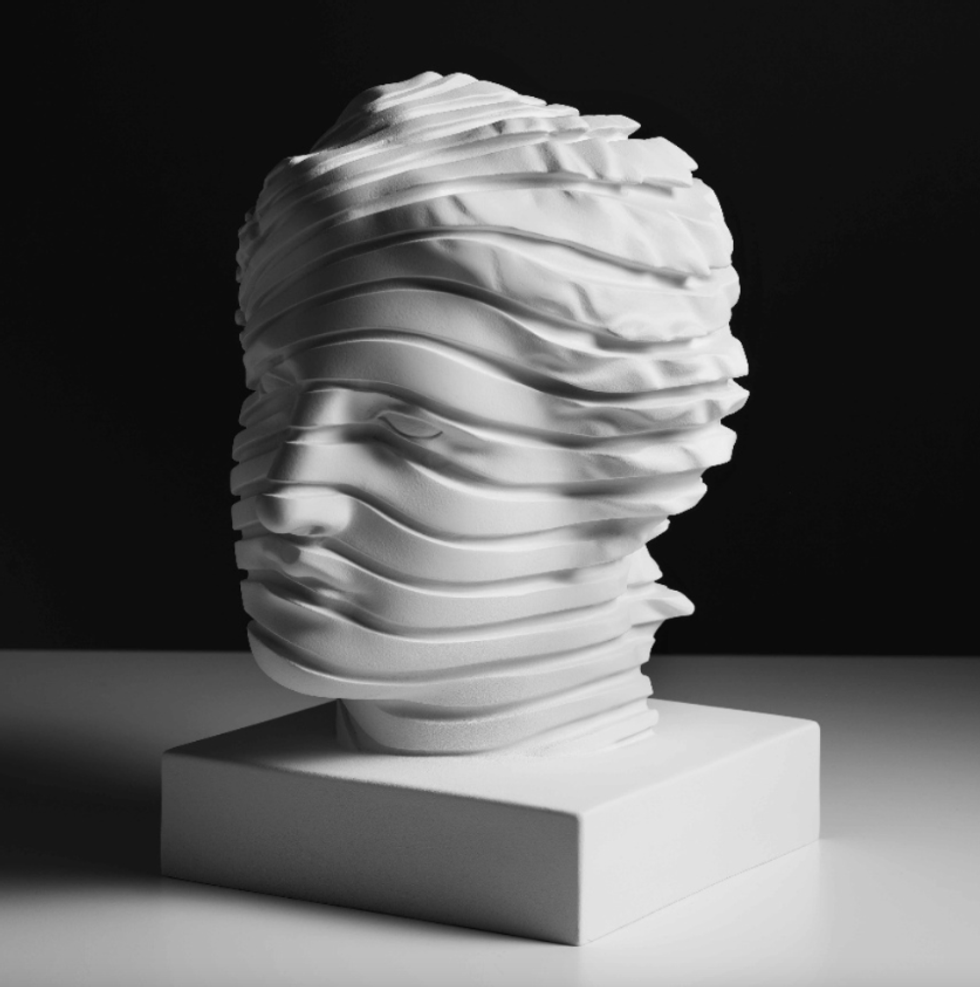
"Head of Aphrodite" / Cohart

This article is part of VEXT's series with Cohart, a social art marketplace for artists and art buyers.

More For You

The Czech Grotesque and How to Be Heard While Silenced
Photo and editing by Carson Aft

Prague, August 1968. Soviet tanks roll through the streets. In a cramped studio near the Vltava River, sculptor Karel Nepraš bends wire into skeletal frames, wraps them in fabric, and paints them an aggressive red. The result is Large Dialogue (1966): two figures locked in conversation, except they're skinless, monstrous, utterly wrong. Their cavities gape. Their proportions scream.

In criticizing the regime, artists risked disappearing, but by making something that felt wrong, that screamed through its distortion, artists could speak. By the mid-1960s, a loose movement Czech critics would later call "Czech Grotesque" had figured out that under censorship, distortion could say the things words could not. Artists like Nepraš, Jan Koblasa, Aleš Veselý, and filmmaker Jan Švankmajer built a visual language where distortion was the medium. When the state becomes monstrous, make monsters and let bodies do the talking.

Keep ReadingShow less
The Rise of D.I.Y. Botox and Fillers
Photo via Shutterstock/AtlasStudio

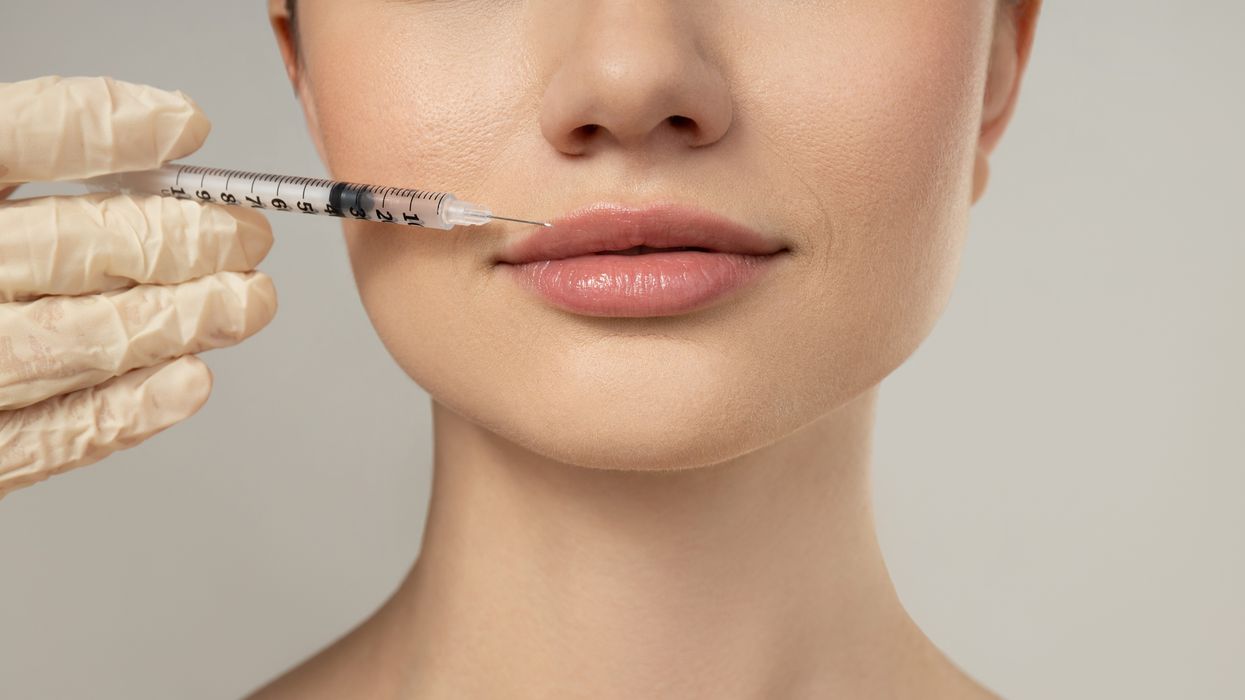
It’s a quiet Friday night, and Kirstin is busy setting up her injection station. Laid out on a tray for easy access, she places an alcohol wipe and a tube of lidocaine cream next to a box containing a small syringe of cosmetic dermal filler. She takes another look in the mirror and studies her face while testing out the plunger, doing a few tiny passes onto the tray before placing the needle to her lips. “It is a bit nerve-wracking, of course,” the 24-year-old says while detailing her first-time experience. “But overall, I’m thrilled with my results.”

Kirstin isn’t a doctor or a nurse, but she is part of a growing number of people doing at-home cosmetic injectables. Through social media, they teach each other how to perform procedures typically done in doctors’ offices and licensed medical spas. They swap tips, share product recommendations and talk about their own experiences. They ask ChatGPT for advice and discuss Trump’s tariffs affecting the cost of South Korean imports. And with the help of facial anatomy charts, fake practice lips and YouTube demonstrations, they fill, aspirate and inject before posting their results online.

Keep ReadingShow less
Reality TV Is Turning Us Into Armchair Psychologists
Illustration by Mark Paez

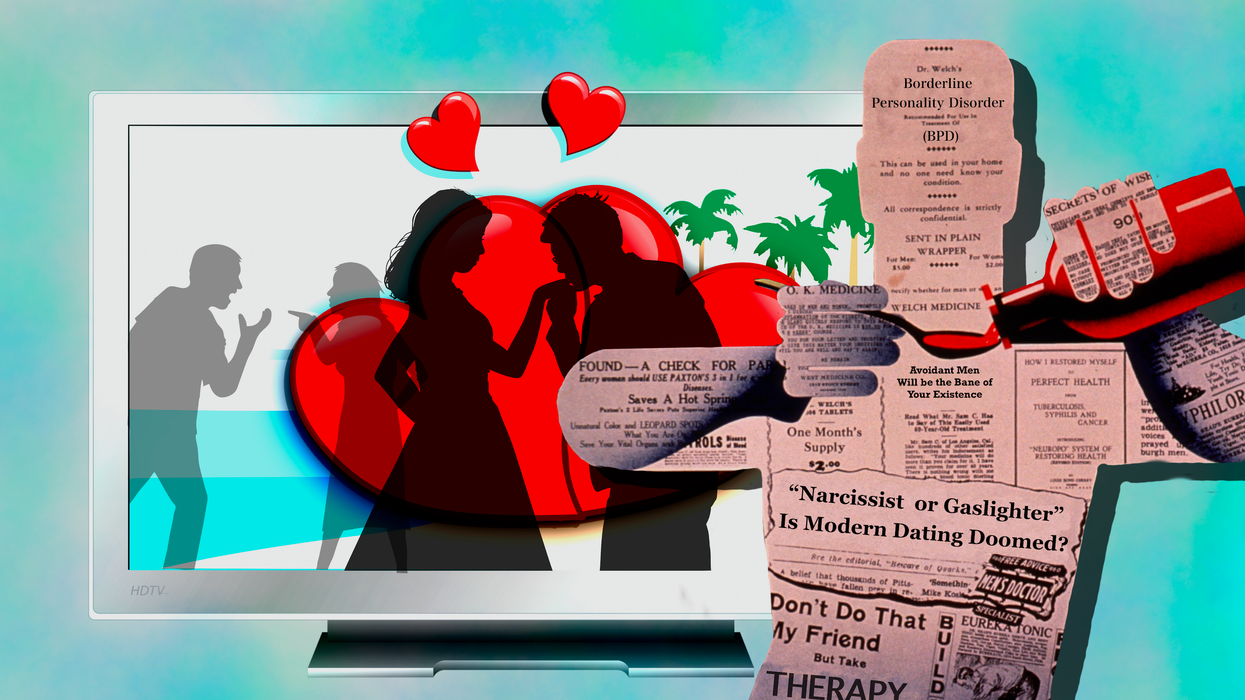
At the height of Love Island USA season 7, new episodes were only half the entertainment. As each one aired, the fun came with recapping, discussing and dissecting the Islanders’ every move on social media. But that conversation quickly went south, as some viewers began diagnosing contestants like Huda Mustafa with borderline personality disorder (BPD). As Mustafa’s relationship with Jeremiah Brown shifted from lovey-dovey moments to screaming call-outs, more and more people piled on with amateur commentary. And in the era of armchair psychology, Love Island contestants aren't the only reality stars under this kind of scrutiny.

With social media breeding a new kind of fan culture around surveillance-based reality shows like Love Is Blind, Big Brother, The Ultimatum and Love Island, a different entertainment experience has emerged. Audiences don’t just watch people on reality shows anymore; they try to diagnose them.

Keep ReadingShow less
ChatGPT Psychosis in the Age of AI Companionship
Illustration by Mark Paez

It often starts innocently enough, with late-night chats about philosophy, deep dives into simulation theory or musings on the nature of consciousness. But for a small number of users, these exchanges with AI chatbots can take a darker turn. As tools like ChatGPT become more embedded into everyday life, mental health professionals are sounding the alarm about a rare but troubling new phenomenon. It's what some are now calling "ChatGPT psychosis," where AI interaction may intensify or trigger psychotic symptoms.

While there’s still no official diagnosis and the evidence remains anecdotal, these kinds of stories continue to pop up across the internet. On Reddit, users are sharing accounts of loved ones experiencing AI-associated delusions, often involving spiritual and supernatural fantasies. On X, prominent tech VC Geoff Lewis claims that he’s “the primary target of a non-governmental system,” beliefs that echo narratives commonly seen in persecutory delusions. Lewis stated that conversations with AI helped him uncover or “map” this supposed conspiracy, though it's unclear whether these beliefs preceded or followed his AI interactions.

Keep ReadingShow less
The Labubu as an Anti-Fashion Statement
Illustration by Mark Paez/Photos via Shutterstock

A couple of years ago, the Labubu was practically a secret. With its pointy ears and sharp-toothed grin, the Pop Mart plushie was an IYKYK obsession among fashion insiders, spotted on Birkin bags and in the front row of shows. It signaled a niche kind of cool, a playful rebellion against the seriousness of high fashion. It said, “I’m young, irreverent and fun.” And for a while, that’s exactly what it was.

Then came the boom.

Keep ReadingShow less