
Skip to content
Search

Latest Stories

Who Is Adam Himebauch?
Photo by Yashel

Who Is Adam Himebauch?

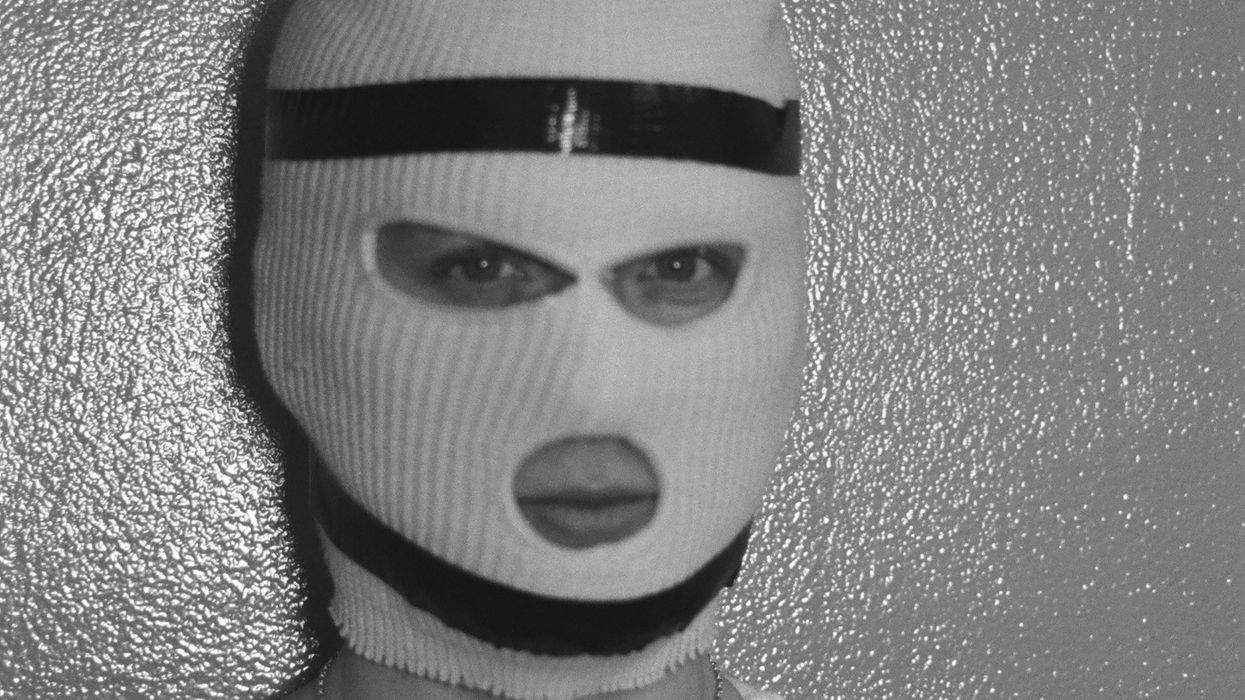
Adam Himebauch is glitching again. Right now, he’s a pixelated silhouette in a shadowy room, voice shaky from an unstable internet connection, as he talks about digital identity, perception, and blurred realities. And in many ways, it’s fitting for an artist best known for his enigmatic online personas, satirical projects, and viral performances, many of which leave his online following wondering, “Who the fuck did I just follow?”


A winking storyteller fascinated by self-presentation and its reception, much of Himebauch’s work hinges upon “making light of people who take themselves way too seriously.” The 42-year-old artist, after all, is interested in influencers, the institutional art world, and other gatekeepers of culture that “use social media to manipulate and pursue the perception of how they come across,” while acknowledging that he’s also a part of a system. Because in a world of disinformation and online self-mythologizing, reality is the “manipulation and pursuit of perception and how you come across,” and it’s still surprising to see how often the masses still fall for the bit.

Over the years, Himebauch has taken on many identities, some fictional and others not-so-much. He was the actual founding partner of Dimes Square staples Forget Me Not and Kiki’s; the pun-happy street artist Hanksy; and, more recently, a lauded German artist named Adam Himebauch working from the late ‘70s onwards, with a fake GoFundMe documentary, a Taschen book, and exhibition at the non-existent NYC MoCA. Now, he’s himself, a multidisciplinary artist creating paintings, making Jerry Saltz deep fakes, and putting together projects like his “30-day meditation,” an online broadcast that turned out to be a looped video. Yet despite being open about these past projects not being real (and not making any effort to hide it), people still constantly congratulate him on his month-long meditation and his grand retrospective — with complete sincerity.

As part of a larger experiment, the artist wants to revive his “Adam Himebauch” project for VEXT, starting with the digital premiere of director Casilda García López’s Create Whatever You Want, which originally premiered at the New People Cinema Club’s “anti-clout film festival” in 2022.

Filled with fake “found footage” of Himebauch around downtown NYC, Create What You Want pairs staged shots “from between 1975 and the mid-‘80s” with references to familiar art and cultural products, such as Sean R. Ferguson’s Velvet Underground-inspired soundtrack. Meant to help you subconsciously make connections to the New York of Warhol, No Wave, and affordable downtown lofts, Create What You Want is ultimately an “institutional critique, [as well as an inquiry into] ageism, and the habitual nature of media consumption,” per García López. And as something that leaves viewers questioning what’s real or not, it creates a moment of confusion in an “IRL uncanny valley type way,” as Himebauch laughs, right as the screen freezes again.

More For You

Radical Dependence Could Save the Loneliest Generation
Illustration by Mark Paez / Bernard Meninsky "Seated Woman, Head on Hand"

For Gen Z, the so-called “third place” — home being the first, work the second — is increasingly digital. After work, after school, after errands, we log on instead of showing up. We join a stream. We scroll Instagram Stories. We reply to a group chat full of nothing but Reels.

These platforms simulate connection, but they’re ghostly in their own way. Faces behind glass. Voices without bodies. Friendships untethered from a shared physical world. The closest we often get to a “community event” is a Love Island watch party at a local bar or a Timothée Chalamet lookalike contest at a park. They’re fleeting, novelty-driven gatherings that offer a hint of togetherness but rarely the long-term glue that real community requires. And underneath it all, a new cultural mantra has taken root among Gen Z: I don’t owe anybody anything.

Keep ReadingShow less
Reality TV Is Turning Us Into Armchair Psychologists
Illustration by Mark Paez

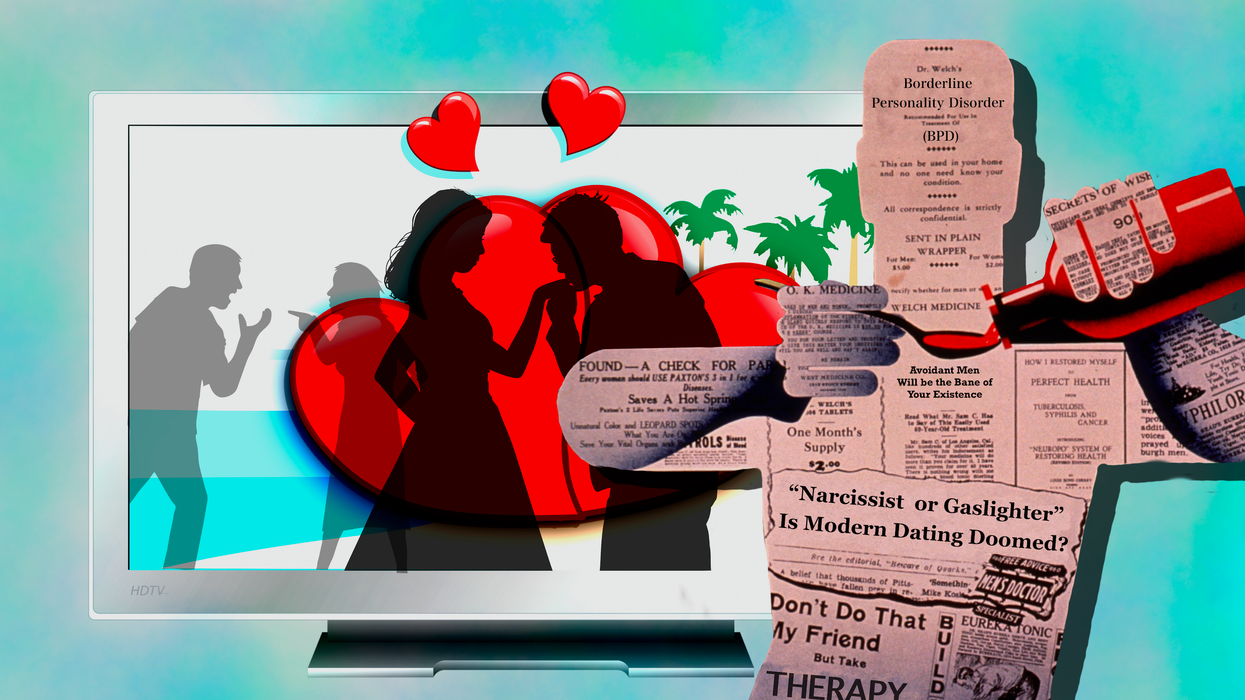
At the height of Love Island USA season 7, new episodes were only half the entertainment. As each one aired, the fun came with recapping, discussing and dissecting the Islanders’ every move on social media. But that conversation quickly went south, as some viewers began diagnosing contestants like Huda Mustafa with borderline personality disorder (BPD). As Mustafa’s relationship with Jeremiah Brown shifted from lovey-dovey moments to screaming call-outs, more and more people piled on with amateur commentary. And in the era of armchair psychology, Love Island contestants aren't the only reality stars under this kind of scrutiny.

With social media breeding a new kind of fan culture around surveillance-based reality shows like Love Is Blind, Big Brother, The Ultimatum and Love Island, a different entertainment experience has emerged. Audiences don’t just watch people on reality shows anymore; they try to diagnose them.

Keep ReadingShow less
ChatGPT Psychosis in the Age of AI Companionship
Illustration by Mark Paez

It often starts innocently enough, with late-night chats about philosophy, deep dives into simulation theory or musings on the nature of consciousness. But for a small number of users, these exchanges with AI chatbots can take a darker turn. As tools like ChatGPT become more embedded into everyday life, mental health professionals are sounding the alarm about a rare but troubling new phenomenon. It's what some are now calling "ChatGPT psychosis," where AI interaction may intensify or trigger psychotic symptoms.

While there’s still no official diagnosis and the evidence remains anecdotal, these kinds of stories continue to pop up across the internet. On Reddit, users are sharing accounts of loved ones experiencing AI-associated delusions, often involving spiritual and supernatural fantasies. On X, prominent tech VC Geoff Lewis claims that he’s “the primary target of a non-governmental system,” beliefs that echo narratives commonly seen in persecutory delusions. Lewis stated that conversations with AI helped him uncover or “map” this supposed conspiracy, though it's unclear whether these beliefs preceded or followed his AI interactions.

Keep ReadingShow less
The Labubu as an Anti-Fashion Statement
Illustration by Mark Paez/Photos via Shutterstock

A couple of years ago, the Labubu was practically a secret. With its pointy ears and sharp-toothed grin, the Pop Mart plushie was an IYKYK obsession among fashion insiders, spotted on Birkin bags and in the front row of shows. It signaled a niche kind of cool, a playful rebellion against the seriousness of high fashion. It said, “I’m young, irreverent and fun.” And for a while, that’s exactly what it was.

Then came the boom.

Keep ReadingShow less
Masturbation Makes You More Social
Illustration by Mark Paez

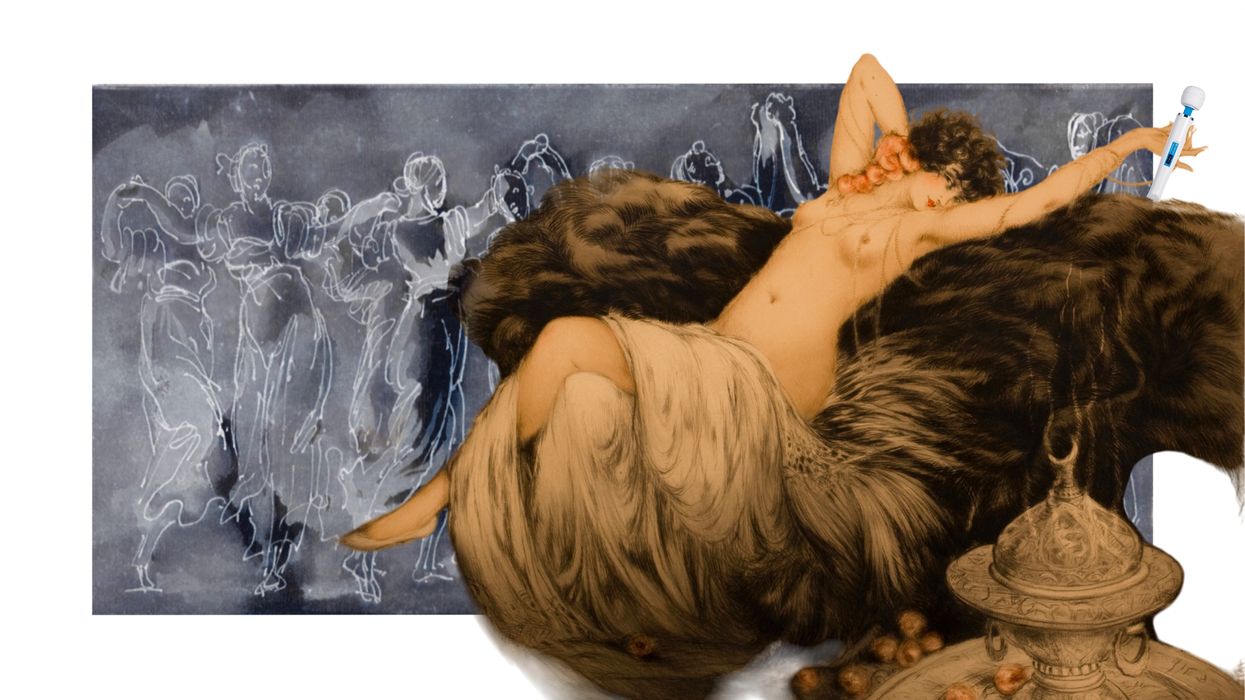
Masturbation is cast as a solitary act, reserved for the awkward and perpetually single. A habit hidden beneath shame and heavy blankets, it’s been weighed down by pop culture punchlines and small-minded stereotypes for far too long. But as stigma fades and science steps in, new research says young people think masturbation isn’t about a lack of connection — it’s something that can foster it. And in this era of profound isolation, that has them reaching for the lube.

Gen Z is frequently referred to as the “loneliest generation,” and the data backs it up. Many experts say it comes down to social media, since it’s hard to feel social while constantly scrolling past bad news and curated perfection. But a new wellness study from Magic Wand suggests that masturbation can do more than just make you feel good. By easing loneliness and boosting self-confidence, people who self-pleasure may actually feel more socially connected, not less. And at a time when Gen Z is facing record levels of loneliness and emotional distress, that’s no small claim.

Keep ReadingShow less