

Skip to content
Search

Latest Stories

Shane Clay's New Mix Is a Dance-Obsessed Hacker's Dream

Shane Clay's New Mix Is a Dance-Obsessed Hacker's Dream

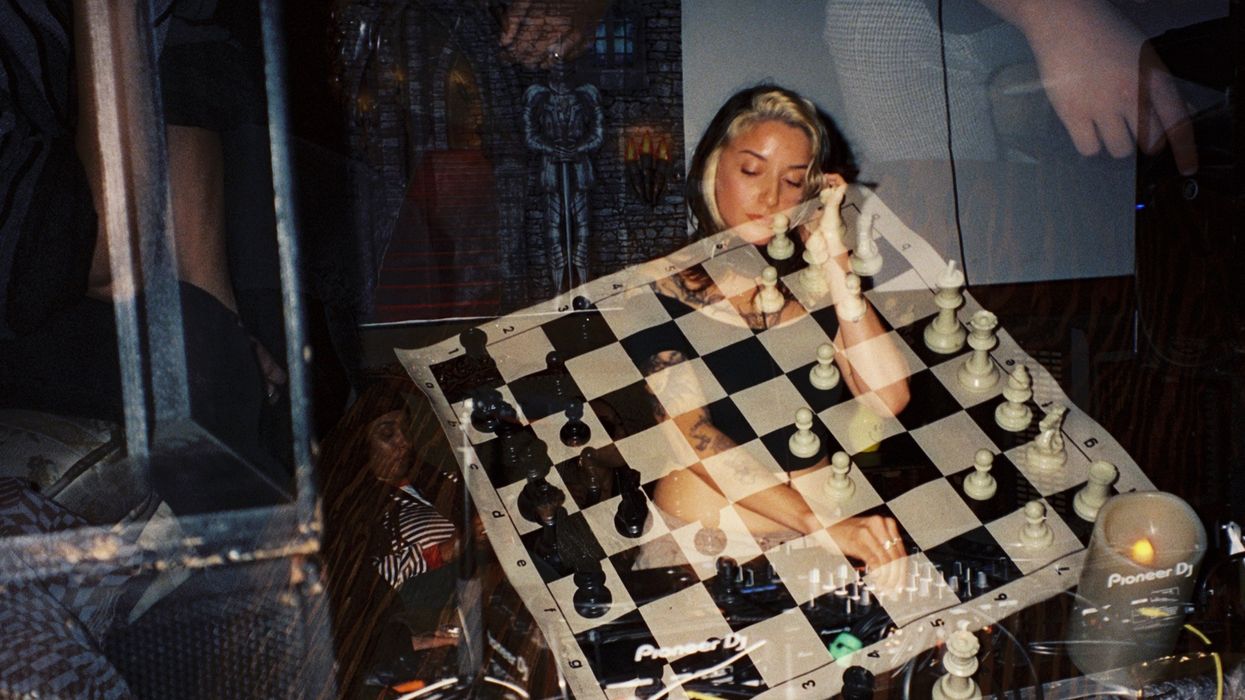
We have acquired an exclusive mix by stalking Shane Clay's computer through the Soulseek network. His social media and his most classified releases have been plastered all over the internet. In turn, he has agreed to publish this mix.


If you're in sync with the underground music world, you might have heard of the producer, artist and curator Shane Clay. Straying away from the industrious status quo, Shane Clay has been incubating a dance-ready array of sounds with some of your favorite artists. Here lies a genre-spanning umbrella of tracks that include everything from an unreleased Ayesha Erotica rap track to a sped-up mix of Vanessa Carlton's iconic 2002 hit "A Thousand Miles."

Listen to "Classified Documents" below.

Shane Clay is a producer, artist and curator based in Los Angeles.

More For You

The Czech Grotesque and How to Be Heard While Silenced
Photo and editing by Carson Aft

Prague, August 1968. Soviet tanks roll through the streets. In a cramped studio near the Vltava River, sculptor Karel Nepraš bends wire into skeletal frames, wraps them in fabric, and paints them an aggressive red. The result is Large Dialogue (1966): two figures locked in conversation, except they're skinless, monstrous, utterly wrong. Their cavities gape. Their proportions scream.

In criticizing the regime, artists risked disappearing, but by making something that felt wrong, that screamed through its distortion, artists could speak. By the mid-1960s, a loose movement Czech critics would later call "Czech Grotesque" had figured out that under censorship, distortion could say the things words could not. Artists like Nepraš, Jan Koblasa, Aleš Veselý, and filmmaker Jan Švankmajer built a visual language where distortion was the medium. When the state becomes monstrous, make monsters and let bodies do the talking.

Keep ReadingShow less
Niia's "Throw My Head Out the Window" Teeters on the Edge of Control

Niia’s “Throw My Head Out the Window” opens with the wistful wail of a lone saxophone, its notes heavy with longing. Her voice drifts in like smoke, aching in the same register.

In the minimalist music video, she hangs her head out a car window and croons to the Los Angeles canyons. The track builds over skittering, dance-inflected production, her voice picking up momentum as the tension coils tighter in her delivery. It’s moody, striking and teetering on the edge of control, with a deep undercurrent of angst that hovers just above a scream. The bubble threatens to burst, but it never does. And that restraint is intentional.

Keep ReadingShow less
Reality TV Is Turning Us Into Armchair Psychologists
Illustration by Mark Paez

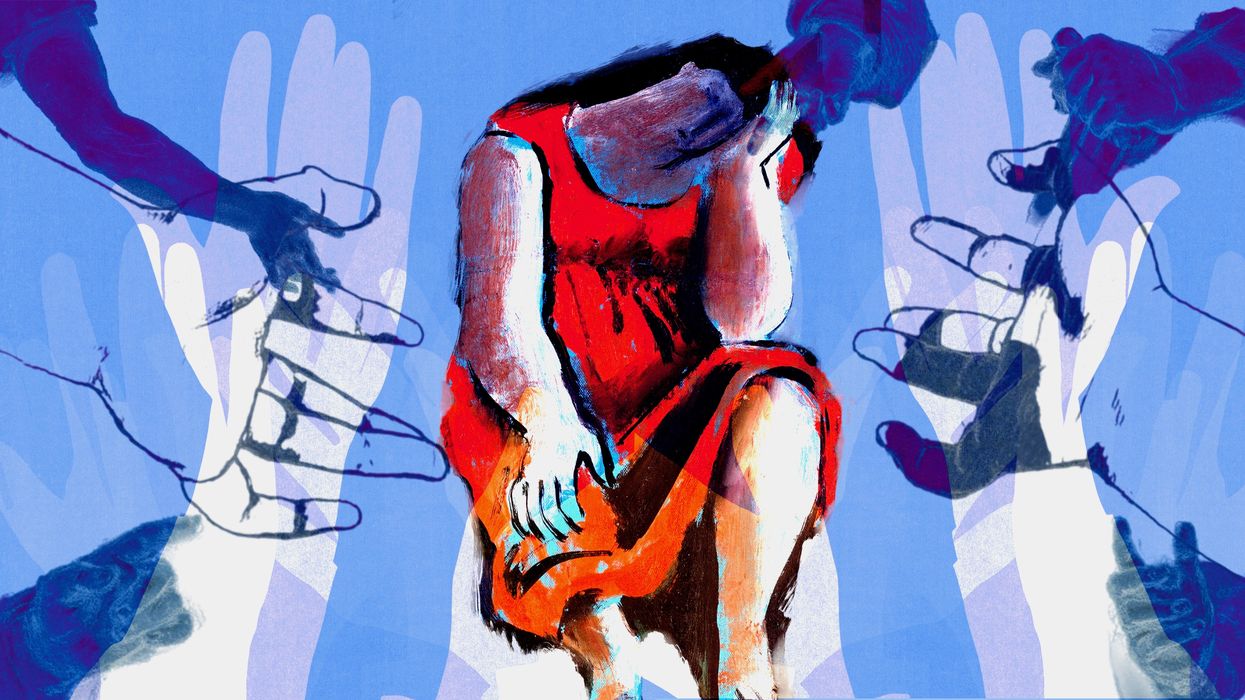
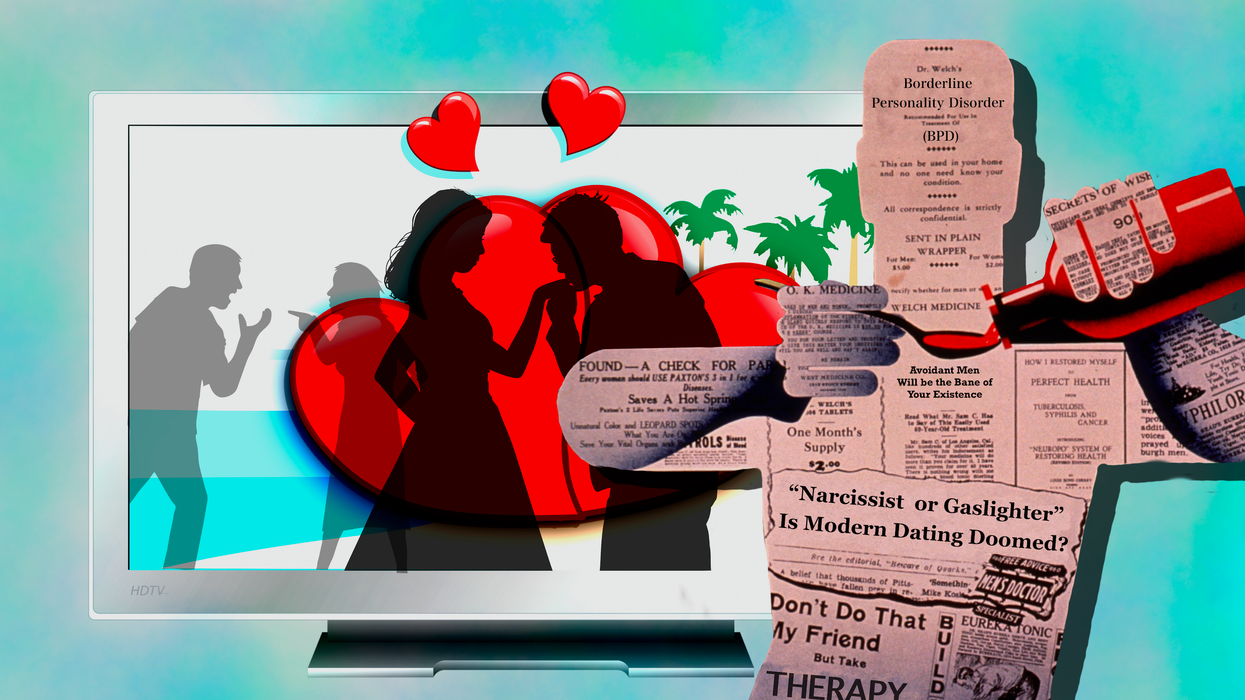
At the height of Love Island USA season 7, new episodes were only half the entertainment. As each one aired, the fun came with recapping, discussing and dissecting the Islanders’ every move on social media. But that conversation quickly went south, as some viewers began diagnosing contestants like Huda Mustafa with borderline personality disorder (BPD). As Mustafa’s relationship with Jeremiah Brown shifted from lovey-dovey moments to screaming call-outs, more and more people piled on with amateur commentary. And in the era of armchair psychology, Love Island contestants aren't the only reality stars under this kind of scrutiny.

With social media breeding a new kind of fan culture around surveillance-based reality shows like Love Is Blind, Big Brother, The Ultimatum and Love Island, a different entertainment experience has emerged. Audiences don’t just watch people on reality shows anymore; they try to diagnose them.

Keep ReadingShow less
ChatGPT Psychosis in the Age of AI Companionship
Illustration by Mark Paez

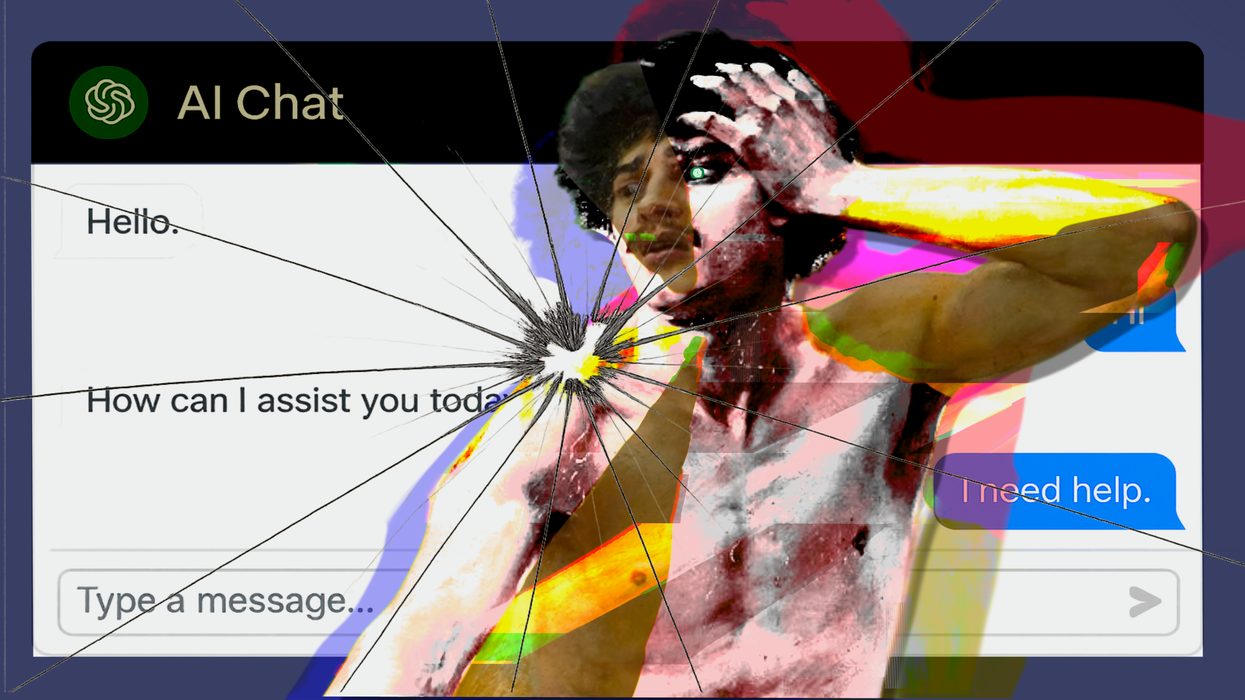
It often starts innocently enough, with late-night chats about philosophy, deep dives into simulation theory or musings on the nature of consciousness. But for a small number of users, these exchanges with AI chatbots can take a darker turn. As tools like ChatGPT become more embedded into everyday life, mental health professionals are sounding the alarm about a rare but troubling new phenomenon. It's what some are now calling "ChatGPT psychosis," where AI interaction may intensify or trigger psychotic symptoms.

While there’s still no official diagnosis and the evidence remains anecdotal, these kinds of stories continue to pop up across the internet. On Reddit, users are sharing accounts of loved ones experiencing AI-associated delusions, often involving spiritual and supernatural fantasies. On X, prominent tech VC Geoff Lewis claims that he’s “the primary target of a non-governmental system,” beliefs that echo narratives commonly seen in persecutory delusions. Lewis stated that conversations with AI helped him uncover or “map” this supposed conspiracy, though it's unclear whether these beliefs preceded or followed his AI interactions.

Keep ReadingShow less
The Labubu as an Anti-Fashion Statement
Illustration by Mark Paez/Photos via Shutterstock

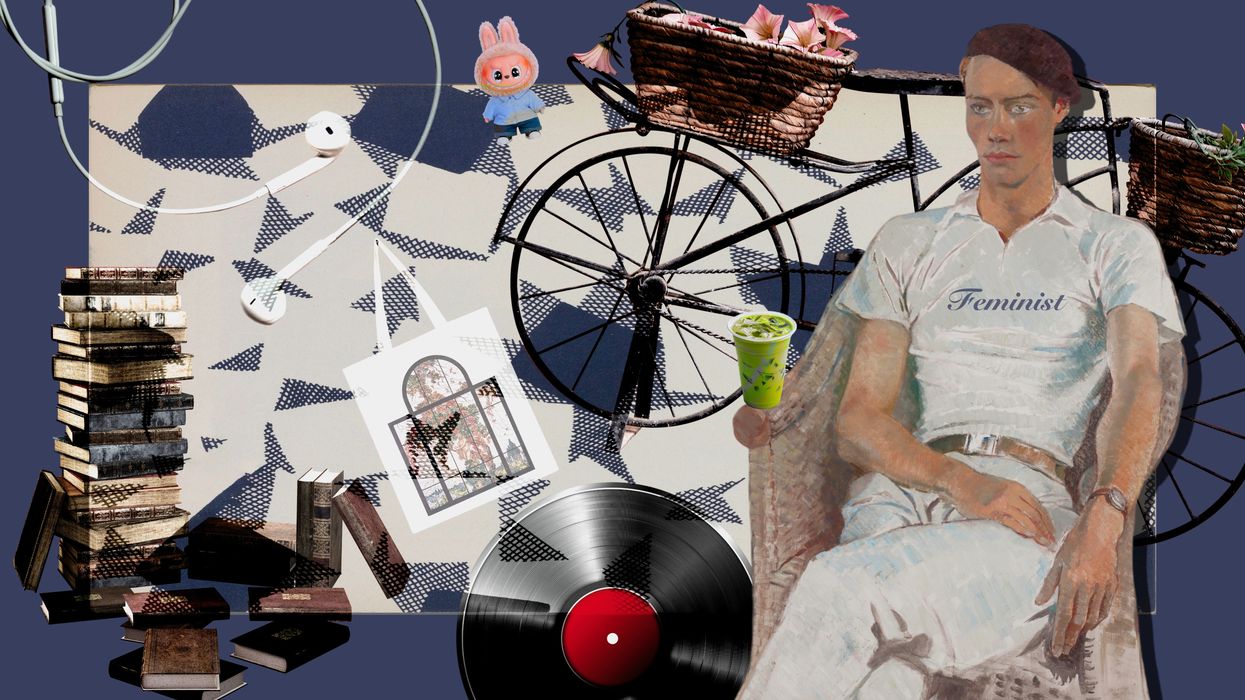
A couple of years ago, the Labubu was practically a secret. With its pointy ears and sharp-toothed grin, the Pop Mart plushie was an IYKYK obsession among fashion insiders, spotted on Birkin bags and in the front row of shows. It signaled a niche kind of cool, a playful rebellion against the seriousness of high fashion. It said, “I’m young, irreverent and fun.” And for a while, that’s exactly what it was.

Then came the boom.

Keep ReadingShow less