
Skip to content
Search

Latest Stories

'Create Whatever You Want' Shows Another Side of Adam Himebauch

'Create Whatever You Want' Shows Another Side of Adam Himebauch

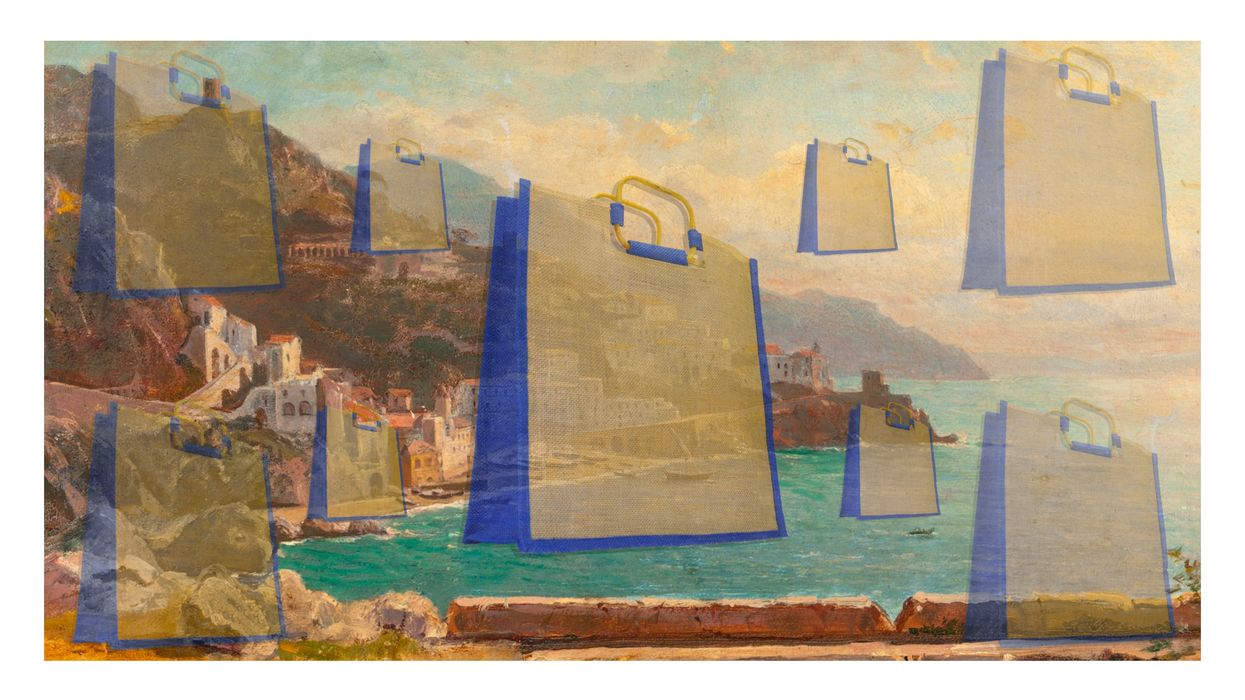
From the early ’70s to late ‘80s, downtown NYC was a creative hotbed, with dozens of influential creatives working around and below 14th Street. There was Basquiat and Mapplethorpe, John Waters and Andy Warhol, as well as a German American artist named Adam Himebauch, who became an art world sensation through his impactful, large-scale paintings. Yet despite being a cult figure in lower Manhattan, the now 70-year-old has remained one of the white cube's best-kept secrets for the past 50 years — and it's about time that changes.


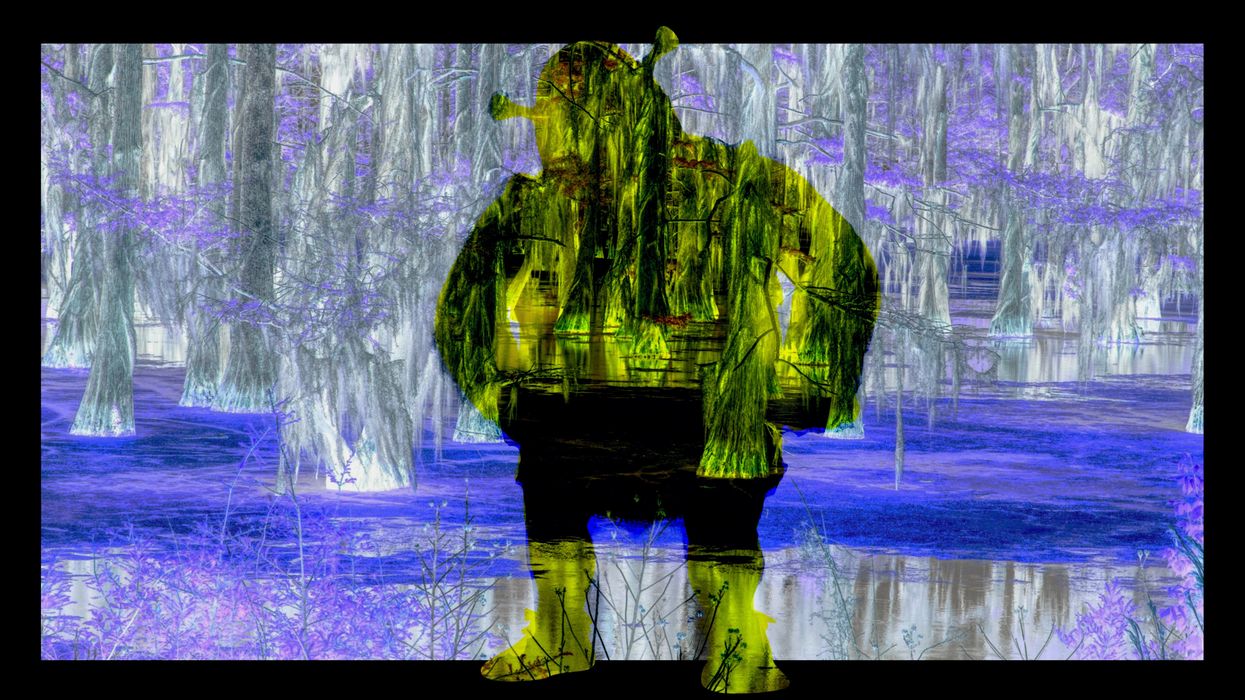
Rising to prominence in the mid-’70s, Himebauch is known for his monochromatic landscapes depicting trees, rivers and forest paths. Rendered in vivid colors that practically leap off the canvas, works like “Vincent Needle in Yellow Haze 1981” and “Deep Blue Japanese ZigZag 1979” have made him an art world darling, with a Taschen book, an exhibition at NYC MoCA and a retrospective at Trotter & Sholer. But for some reason, not much is known about the artist himself, making him the perfect subject for a short film showcasing his life and practice.

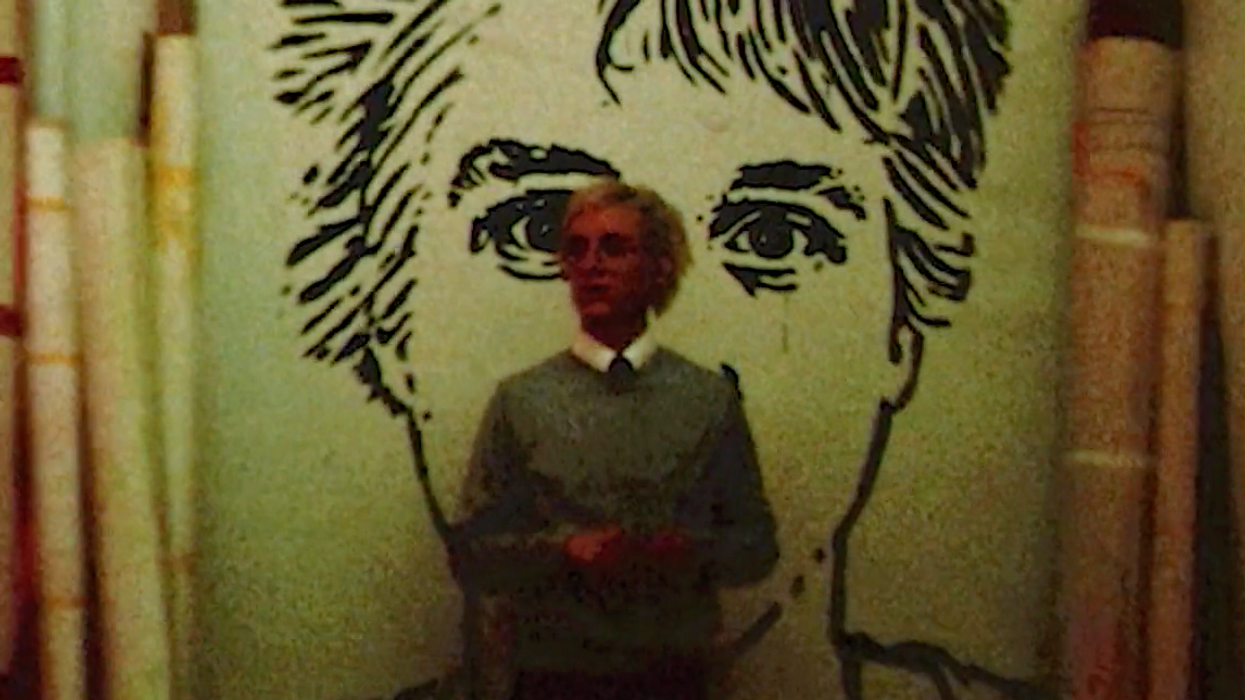
Half a century into his career, Himebauch is now the star of director Casilda García Lópezs Create Whatever You Want, a compilation of found footage taken between 1975 to the mid-’80s. Accompanied by music written by Sean R. Ferguson, the three-minute film gives us an unfiltered glimpse into Himebauch’s most prolific years as a downtown fixture, living among other artistic luminaries while painting some of his most beloved works. And with its mixture of studio shots and candid moments, it makes for a brief yet intimate look at an artist whose legacy is still a mystery to many outside of the art world.

To learn more about Himebauch, read his interview with VEXT, here.

Adam Himebauch is a painter, performance artist and grifter living in Delavan, Wisconsin. This is a work of satire.
More For You

To The Parisian Gentleman: Do I Have to Thank ChatGPT?
Illustration created by Jenny Bee

To The Parisian Gentleman is a write-in advice column for matters of taste, decorum, and the spiritual condition of modern life. Our esteemed gentleman divides his time between Paris and the American South, where he has cultivated unimpugnable opinions on nearly everything. Submit your questions via DM or Paris@VextMagazine.com


To The Parisian Gentleman,

Keep Reading Show less
Why Is Gen Z Rewinding to 2016?
Illustration by Jenny Bee/Images via Unsplash/europeana, Jim Varga, and Joanna Kosinska

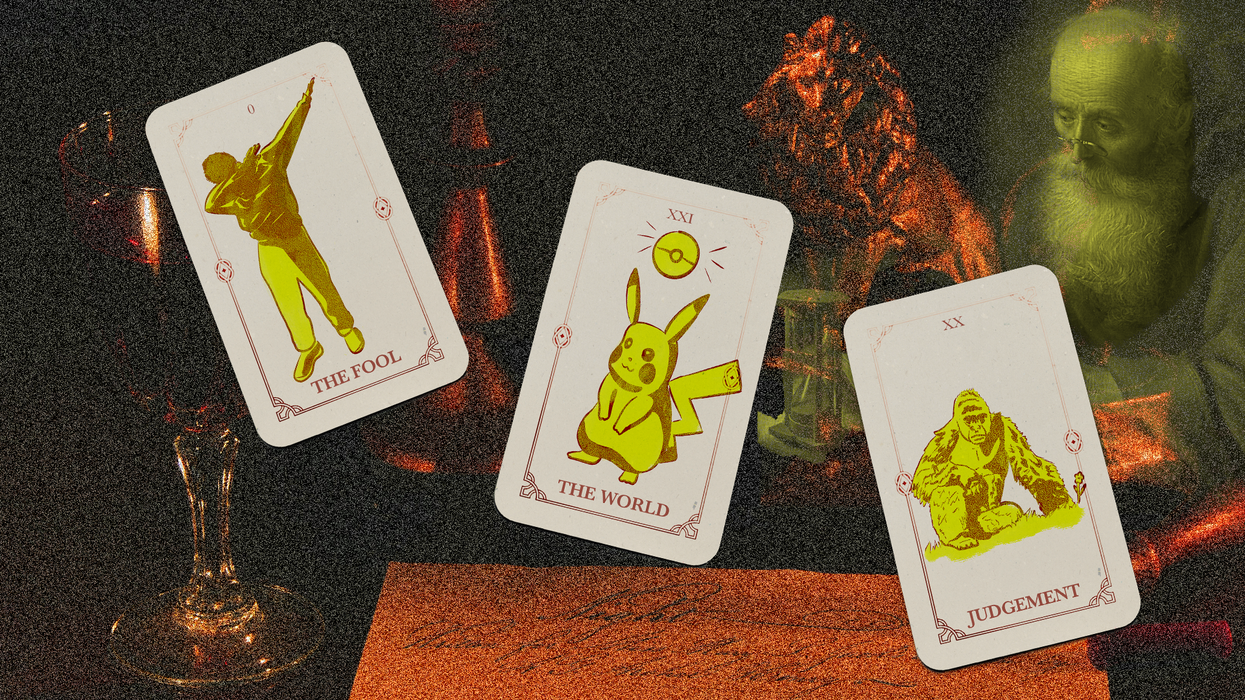
Scroll long enough in 2025, and you’ll eventually land in 2016. A year cast in Valencia-filtered nostalgia, it was the heyday of Vines, King Kylie and entire rooms belting “Black Beatles” like it was the national anthem. It was a time before the internet got meaner, before TikTok brainrot took over feeds and before influencers became lifestyle brands. And now, nearly a decade later, people are longing to return to that moment, when their biggest worry was squeezing in one more round of Overwatch before Mom called them downstairs for dinner.

On TikTok, there are over 300 million videos tagged #2016. In them, people revisit the Pokémon Go craze, pay homage to beauty guru–era makeup and share hazy edits of Unicorn Drinks and Coachella flower crowns. There are snippets of ragers soundtracked by Lil Uzi Vert, dancers dabbing and viral clips of people reminiscing about teenage nights spent driving around past curfew — music up, location off. In the comments, users share their own memories or express envy, all idealizing a time that felt spontaneous, carefree and real.

Keep Reading Show less
The Rise of D.I.Y. Botox and Fillers
Photo via Shutterstock/AtlasStudio

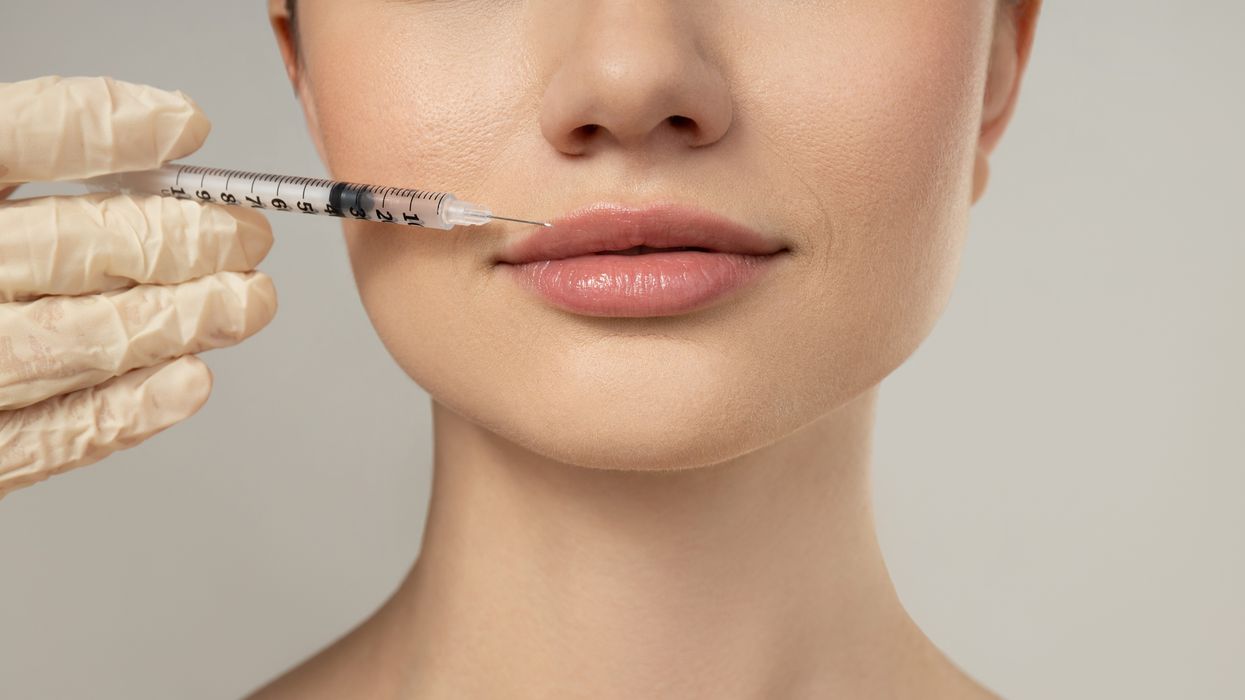
It’s a quiet Friday night, and Kirstin is busy setting up her injection station. Laid out on a tray for easy access, she places an alcohol wipe and a tube of lidocaine cream next to a box containing a small syringe of cosmetic dermal filler. She takes another look in the mirror and studies her face while testing out the plunger, doing a few tiny passes onto the tray before placing the needle to her lips. “It is a bit nerve-wracking, of course,” the 24-year-old says while detailing her first-time experience. “But overall, I’m thrilled with my results.”

Kirstin isn’t a doctor or a nurse, but she is part of a growing number of people doing at-home cosmetic injectables. Through social media, they teach each other how to perform procedures typically done in doctors’ offices and licensed medical spas. They swap tips, share product recommendations and talk about their own experiences. They ask ChatGPT for advice and discuss Trump’s tariffs affecting the cost of South Korean imports. And with the help of facial anatomy charts, fake practice lips and YouTube demonstrations, they fill, aspirate and inject before posting their results online.

Keep Reading Show less
Niia's "Throw My Head Out the Window" Teeters on the Edge of Control

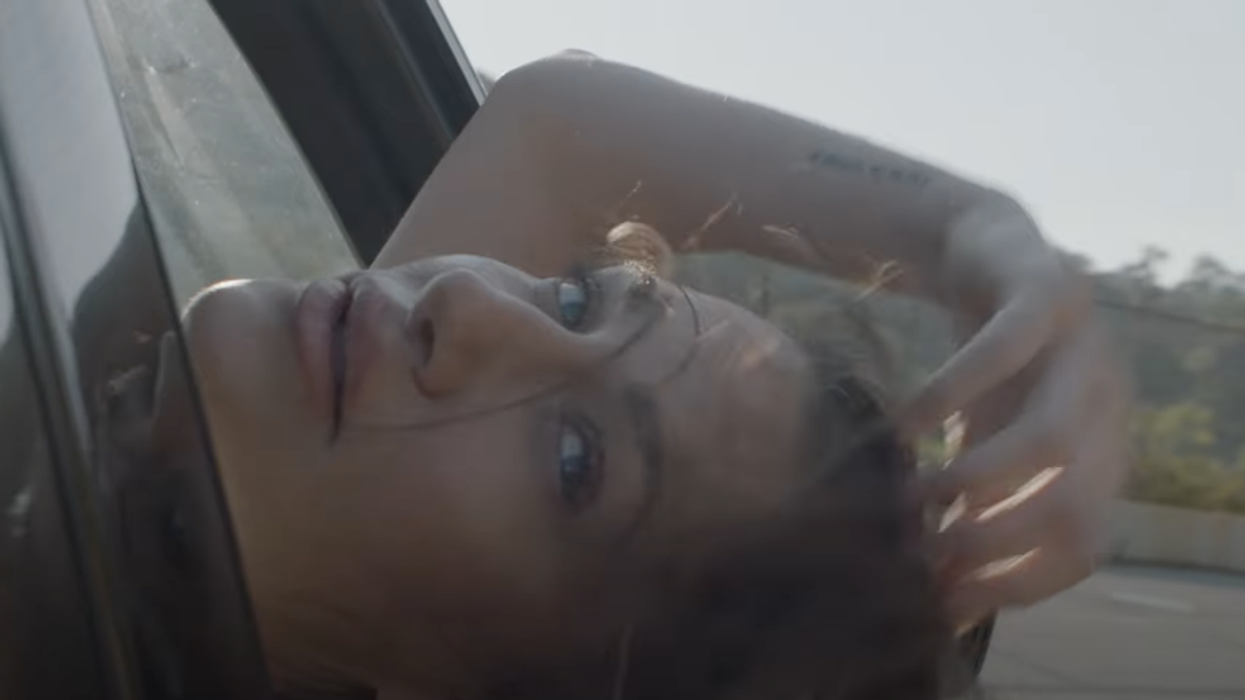
Niia’s “Throw My Head Out the Window” opens with the wistful wail of a lone saxophone, its notes heavy with longing. Her voice drifts in like smoke, aching in the same register.

In the minimalist music video, she hangs her head out a car window and croons to the Los Angeles canyons. The track builds over skittering, dance-inflected production, her voice picking up momentum as the tension coils tighter in her delivery. It’s moody, striking and teetering on the edge of control, with a deep undercurrent of angst that hovers just above a scream. The bubble threatens to burst, but it never does. And that restraint is intentional.

Keep Reading Show less
Reality TV Is Turning Us Into Armchair Psychologists
Illustration by Mark Paez

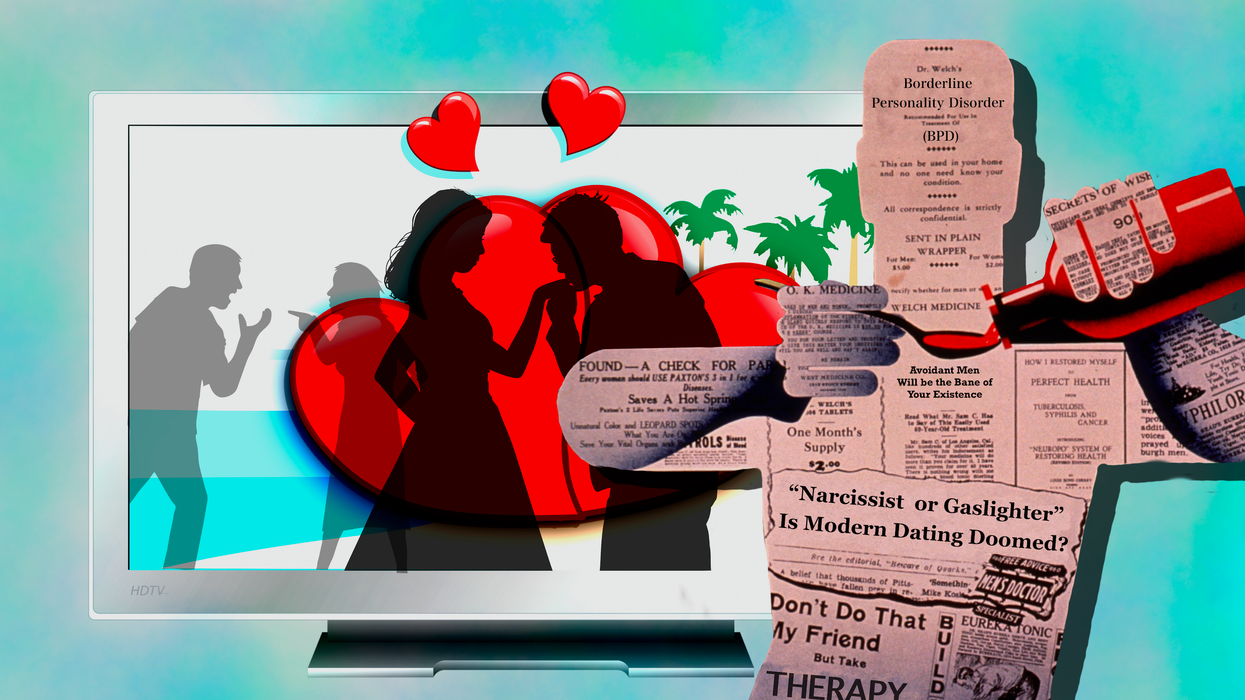
At the height of Love Island USA season 7, new episodes were only half the entertainment. As each one aired, the fun came with recapping, discussing and dissecting the Islanders’ every move on social media. But that conversation quickly went south, as some viewers began diagnosing contestants like Huda Mustafa with borderline personality disorder (BPD). As Mustafa’s relationship with Jeremiah Brown shifted from lovey-dovey moments to screaming call-outs, more and more people piled on with amateur commentary. And in the era of armchair psychology, Love Island contestants aren't the only reality stars under this kind of scrutiny.

With social media breeding a new kind of fan culture around surveillance-based reality shows like Love Is Blind, Big Brother, The Ultimatum and Love Island, a different entertainment experience has emerged. Audiences don’t just watch people on reality shows anymore; they try to diagnose them.

Keep Reading Show less