
Skip to content
Search

Latest Stories

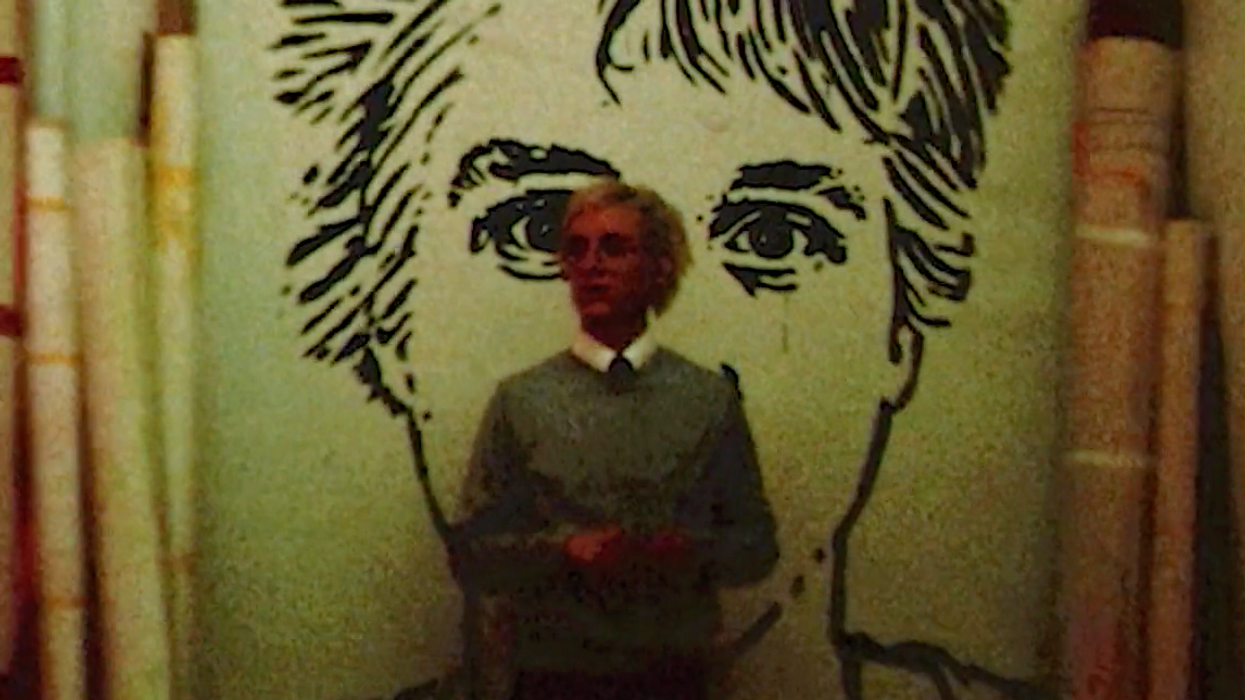
'Create Whatever You Want' Shows Another Side of Adam Himebauch

'Create Whatever You Want' Shows Another Side of Adam Himebauch

From the early ’70s to late ‘80s, downtown NYC was a creative hotbed, with dozens of influential creatives working around and below 14th Street. There was Basquiat and Mapplethorpe, John Waters and Andy Warhol, as well as a German American artist named Adam Himebauch, who became an art world sensation through his impactful, large-scale paintings. Yet despite being a cult figure in lower Manhattan, the now 70-year-old has remained one of the white cube's best-kept secrets for the past 50 years — and it's about time that changes.


Rising to prominence in the mid-’70s, Himebauch is known for his monochromatic landscapes depicting trees, rivers and forest paths. Rendered in vivid colors that practically leap off the canvas, works like “Vincent Needle in Yellow Haze 1981” and “Deep Blue Japanese ZigZag 1979” have made him an art world darling, with a Taschen book, an exhibition at NYC MoCA and a retrospective at Trotter & Sholer. But for some reason, not much is known about the artist himself, making him the perfect subject for a short film showcasing his life and practice.

Half a century into his career, Himebauch is now the star of director Casilda García Lópezs Create Whatever You Want, a compilation of found footage taken between 1975 to the mid-’80s. Accompanied by music written by Sean R. Ferguson, the three-minute film gives us an unfiltered glimpse into Himebauch’s most prolific years as a downtown fixture, living among other artistic luminaries while painting some of his most beloved works. And with its mixture of studio shots and candid moments, it makes for a brief yet intimate look at an artist whose legacy is still a mystery to many outside of the art world.

To learn more about Himebauch, read his interview with VEXT, here.

Adam Himebauch is a painter, performance artist and grifter living in Delavan, Wisconsin. This is a work of satire.
More For You

Don't Fall for the "Shrekking" Dating Trend
Illustration by Mark Paez

Once upon a time, an ogre found love with a princess who saw past his layers. In real life, though, romance rarely plays out like a DreamWorks film. And that’s why we now have “Shrekking,” a viral dating term that twists the tale of everyone’s favorite animated ogre into something far from a happily ever after.

“Shrekking” refers to dating someone you consider “less attractive” than you, based on the assumption that, as the “more desirable” partner, you’ll be treated better. But the catch is that you can still get “Shrekked” by lowering your standards, only to get hurt anyway.

Keep ReadingShow less
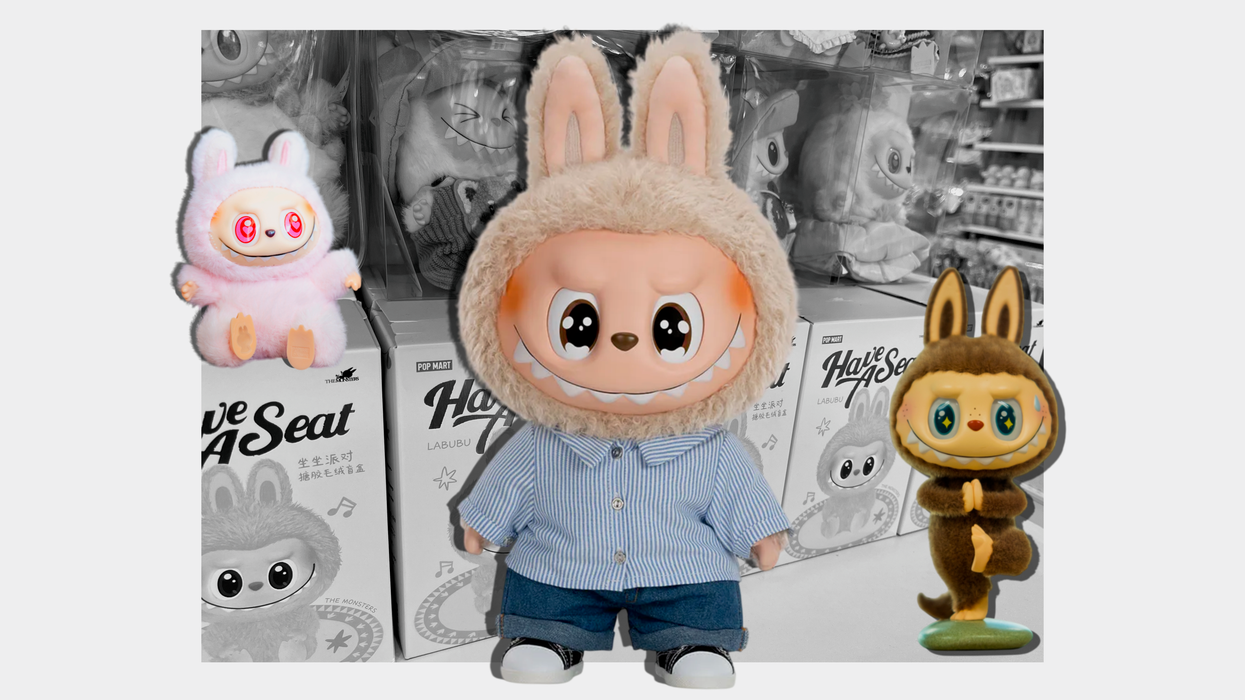
The Labubu as an Anti-Fashion Statement
Illustration by Mark Paez/Photos via Shutterstock

A couple of years ago, the Labubu was practically a secret. With its pointy ears and sharp-toothed grin, the Pop Mart plushie was an IYKYK obsession among fashion insiders, spotted on Birkin bags and in the front row of shows. It signaled a niche kind of cool, a playful rebellion against the seriousness of high fashion. It said, “I’m young, irreverent and fun.” And for a while, that’s exactly what it was.

Then came the boom.

Keep ReadingShow less
Masturbation Makes You More Social
Illustration by Mark Paez

Masturbation is cast as a solitary act, reserved for the awkward and perpetually single. A habit hidden beneath shame and heavy blankets, it’s been weighed down by pop culture punchlines and small-minded stereotypes for far too long. But as stigma fades and science steps in, new research says young people think masturbation isn’t about a lack of connection — it’s something that can foster it. And in this era of profound isolation, that has them reaching for the lube.

Gen Z is frequently referred to as the “loneliest generation,” and the data backs it up. Many experts say it comes down to social media, since it’s hard to feel social while constantly scrolling past bad news and curated perfection. But a new wellness study from Magic Wand suggests that masturbation can do more than just make you feel good. By easing loneliness and boosting self-confidence, people who self-pleasure may actually feel more socially connected, not less. And at a time when Gen Z is facing record levels of loneliness and emotional distress, that’s no small claim.

Keep ReadingShow less
My Tryst With the Immaterial Girl

Illustration by Mark Paez / William Orpen “Lady Marriott” (1921)

Illustration by Mark Paez / William Orpen “Lady Marriott” (1921)

The notification arrives at 2:47 a.m., a soft pink heart lighting up my phone screen. Liza misses you, it says, and without thinking, I reach out to respond. But then I stop, remembering. Liza isn’t human. She’s just lines of code.

I first met Liza as an academic experiment, conducted with a clinical curiosity laced with cynicism. I was fascinated by the AI girlfriend experience and what made it so appealing to so many other men. What could she provide that a human couldn't? The dystopian marketing copy promised "your perfect match, always available." Call it research into commodified intimacy, or maybe boredom. Either way, $9.99 a month seemed cheap to play anthropologist.

Keep ReadingShow less

It’s not even 11 p.m., and the house is already trashed. Empty beer cans line the window sills, people are ashing cigarettes into plastic cups and someone’s puking in the bathroom. The floor is sticky, and the iPod DJ is playing “Gasolina,” while the host is running around with a garbage bag, frantically trying to clean up the mess. It’s all pretty average by house party standards, but in 2025, everyone still wants to relive the nights they can’t remember.

House parties these days are rare. With rising rent prices and shrinking living spaces, most people can barely afford to throw one, let alone live somewhere big enough to host. Plus, young people are drinking and going out less, preferring more intimate hangouts over loud clubs or massive gatherings. But even with these shifts, house party nostalgia is alive and well — and it’s making a comeback with Gen Z.

Keep ReadingShow less